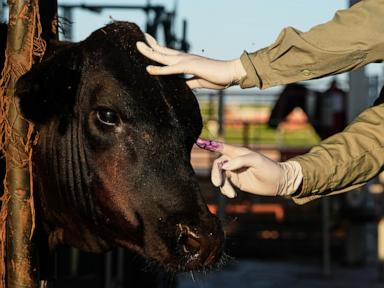
The border doesn't care about bureaucratic convenience. When New World screwworm threats loom, trade stops. Right now, Mexico is getting its cattle back into the United States market, but the rules have changed completely.
If you think this is just standard border paperwork, you're missing the bigger picture. We are looking at a high-stakes biological containment operation disguised as a trade agreement.
The Screwworm Threat Nobody Wants to Talk About
Let's get one thing straight. Cochliomyia hominivorax isn't just another agricultural pest. This parasite eats livestock alive. Female flies lay eggs in open wounds, and the resulting larvae burrow into flesh. Left unchecked, it decimates herds, drops milk production to zero, and can easily jump to humans or wildlife.
The United States spent decades and hundreds of millions of dollars eradicating this nightmare locally. Eradicating it meant pushing the sterile insect technique all the way down through Central America to maintain a biological barrier in Panama. When suspected cases pop up too close for comfort, panic sets in north of the border.
Mexico exporting beef and live cattle without strict oversight is a non-starter for the USDA. That is why the recent reopening of these livestock sales comes with heavy strings attached.
How the New Inspection Regime Actually Works
You can't just load cattle onto a semi and hope for the best anymore. The renewed trade relies on a multi-layered inspection gauntlet.
- Every single animal requires physical inspection by trained veterinarians before leaving the ranch of origin.
- Transit routes are strictly monitored to prevent unauthorized stops in restricted zones.
- Border ports of entry feature dedicated quarantine and re-inspection facilities equipped for parasite detection.
These aren't gentle guidelines. They are hard boundaries. If a shipment fails an inspection or lacks the proper biometric tracing data, it gets turned around immediately. Ranchers on both sides of the border are dealing with tighter margins and zero room for error.
[Ranch of Origin] -> [Vet Inspection] -> [Sealed Transport] -> [Border Re-inspection] -> [US Market Entry]
What Ranchers and Importers Miss About the Process
Most market analysts look at supply numbers and stop there. They tell you that Mexican beef flowing back into feedlots will stabilize prices. They miss the operational friction.
I've talked to producers who assume things are back to normal because the paperwork cleared. They are wrong. When you add mandatory dipping, holding times for observation, and specialized lab testing for larvae, logistics costs skyrocket. Importers absorb these expenses or pass them down the chain.
Furthermore, the threat of an immediate shutdown hangs over every transaction. All it takes is one positive sample in a southern Mexican state to trigger emergency suspensions. If you're building a supply chain strategy around steady volume right now, you need backup plans.
Economic Ripples Across the North American Meat Industry
Feedlots in Texas and other southern states rely heavily on Mexican feeder cattle. Without them, capacity drops. Processing plants run below efficiency, and beef prices at the grocery store creep upward.
Yet, rushing the process invites catastrophe. If the USDA loosens standards to appease short-term supply demands, a domestic screwworm outbreak would cost billions in emergency containment and international trade embargoes. The current balance is fragile.
Mexico knows this. State agricultural ministers are scrambling to prove their surveillance networks can catch infestations early. They are deploying mobile diagnostic labs and increasing fly-release programs to maintain disease-free zones.
Actionable Steps for Industry Operators
If you're buying, selling, or transporting livestock in this environment, stop treating regulatory compliance as an afterthought.
- Audit your supply chain partners in Mexico to verify their veterinary certification history.
- Build extra buffer time into your delivery schedules to account for mandatory secondary inspections at the border.
- Maintain airtight digital records of animal origin and transit logs so you can trace shipments instantly if questions arise.
The border is open, but the margin for error is razor thin. Protect your margins by treating every shipment like a biosecurity audit.