The quiet industrial town of Fagersta woke up to a reality few Nordic communities ever expect to face. On a Friday afternoon right after the summer break, an 18-year-old armed assailant walked into the Brinell School and altered the trajectory of a nation. The attack left a 17-year-old girl dead and multiple others severely wounded, tearing through the illusion of safety that traditionally envelops Swedish educational institutions.
Security analysts and local law enforcement are now left scrambling to answer a grim question. How does an isolated municipality northwest of Stockholm become the epicenter of a horrific act of targeted violence?
The Anatomy of the Fagersta Assault
Classes were fully in session at the Brinell School when the terror began. Roughly four hundred to five hundred students were inside the building, navigating the ordinary rhythms of a school term's opening days. Unlike nations grappling with ubiquitous firearm violence, Sweden faced an assailant wielding a blade. The choice of weapon underscores a recurring pattern in Scandinavian targeted violence, where everyday sharp instruments or non-firearm weapons are frequently repurposed for mass harm.
Police chief Tommy Alriksson confirmed that officers neutralized and arrested the 18-year-old suspect, discharging their weapons during the apprehension. Yet, the speed of the police response could not prevent the tragedy. One victim died at the scene, while two boys—aged between 12 and 17—sustained critical injuries that required immediate, intensive medical intervention.
Sirens drowned out the sounds of the campus. A makeshift crisis center was hastily erected in a nearby sports hall as emergency responders locked down surrounding educational facilities. The community of twelve thousand people was suddenly thrust into a state of emergency.
Shifting Security Realities in the Nordic Region
For decades, the Swedish social model rested on an assumption of institutional openness. Schools were designed as community hubs rather than fortified compounds. Doors remained unlocked, visitors moved with minimal friction, and trust was the primary metric of public safety.
That architecture of trust is steadily eroding.
The Fagersta attack is part of an increasingly disturbing escalation in Swedish public violence. Just last year, the country reeled from a devastating mass shooting at an adult education center in Örebro that claimed eleven lives. Years prior, a knife and ax assault at a school in Malmo claimed the lives of two teachers. These incidents are forcing a painful re-evaluation of institutional security across the country.
When schools double as crime scenes, the cultural psyche shifts. Prime Minister Ulf Kristersson addressed the nation via social media, expressing collective grief while emphasizing the intensity of the ongoing police investigation. However, official condolences offer little comfort to educators and parents who now view the start of every academic year through a lens of acute anxiety.
The Investigative Void and Psychological Aftermath
As forensic teams comb through the suspect's digital footprint and execute multiple house searches, a clear motive remains absent. Authorities have cautioned against premature speculation, noting that witness interviews must be handled with extreme care to avoid contaminating testimonies.
This silence from investigators breeds speculation. Was the attack an act of isolated psychological collapse, or does it tie into darker currents of online radicalization that frequently target disenfranchised young men?
In modern investigative journalism, the rush to diagnose a killer's mind often overshadows the systemic vulnerabilities that allowed the attack to happen in the first place. Sweden's social services and mental health infrastructure for adolescents have faced mounting strain. Critics argue that warning signs regarding youth alienation, radical online subcultures, and untreated behavioral crises are routinely missed until they manifest in physical destruction.
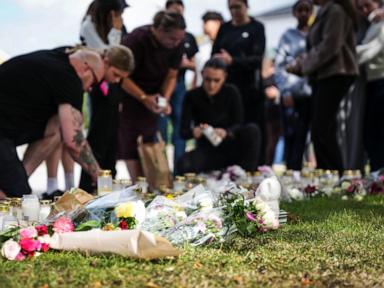
Candles now flicker outside the Brinell School gates. Residents of Västmanland County walk through cordoned-off streets, struggling to reconcile the mundane architecture of their hometown with the violence that transpired within its walls. As the legal process grinds forward, the structural debate over how to protect open societies without dismantling the very freedoms that define them has only just begun.