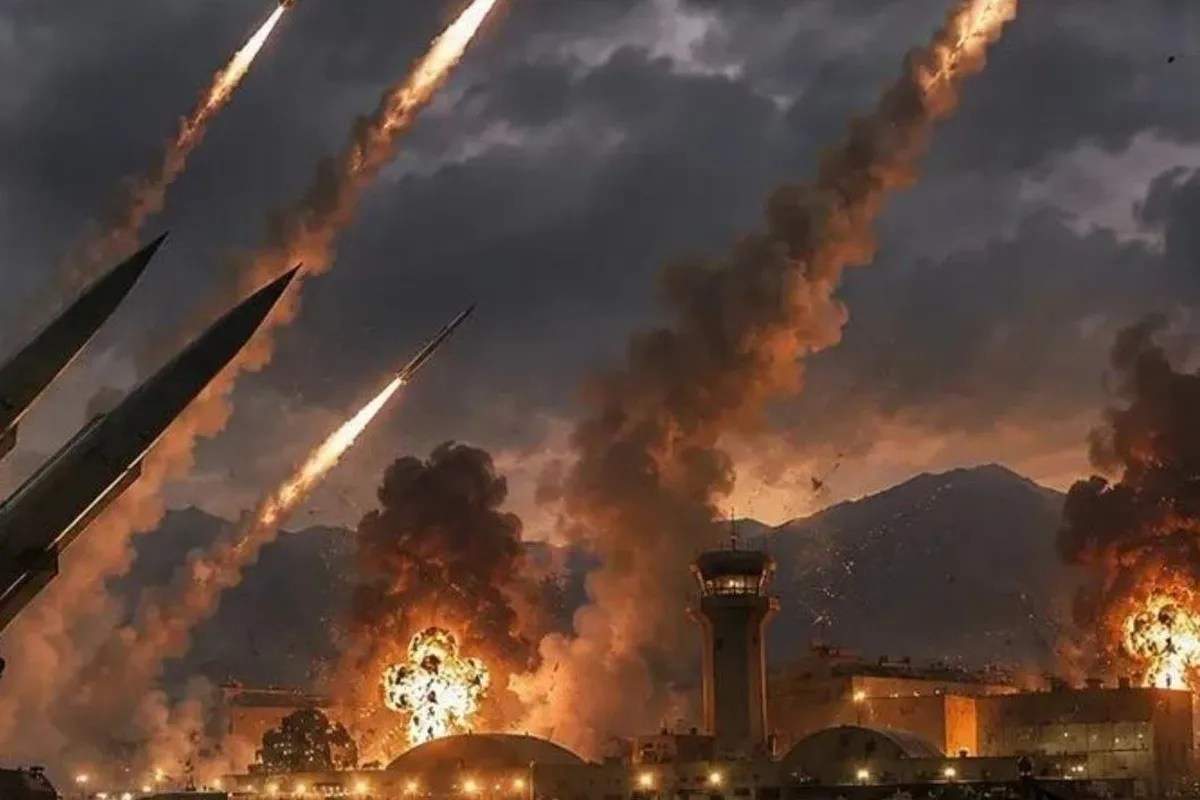
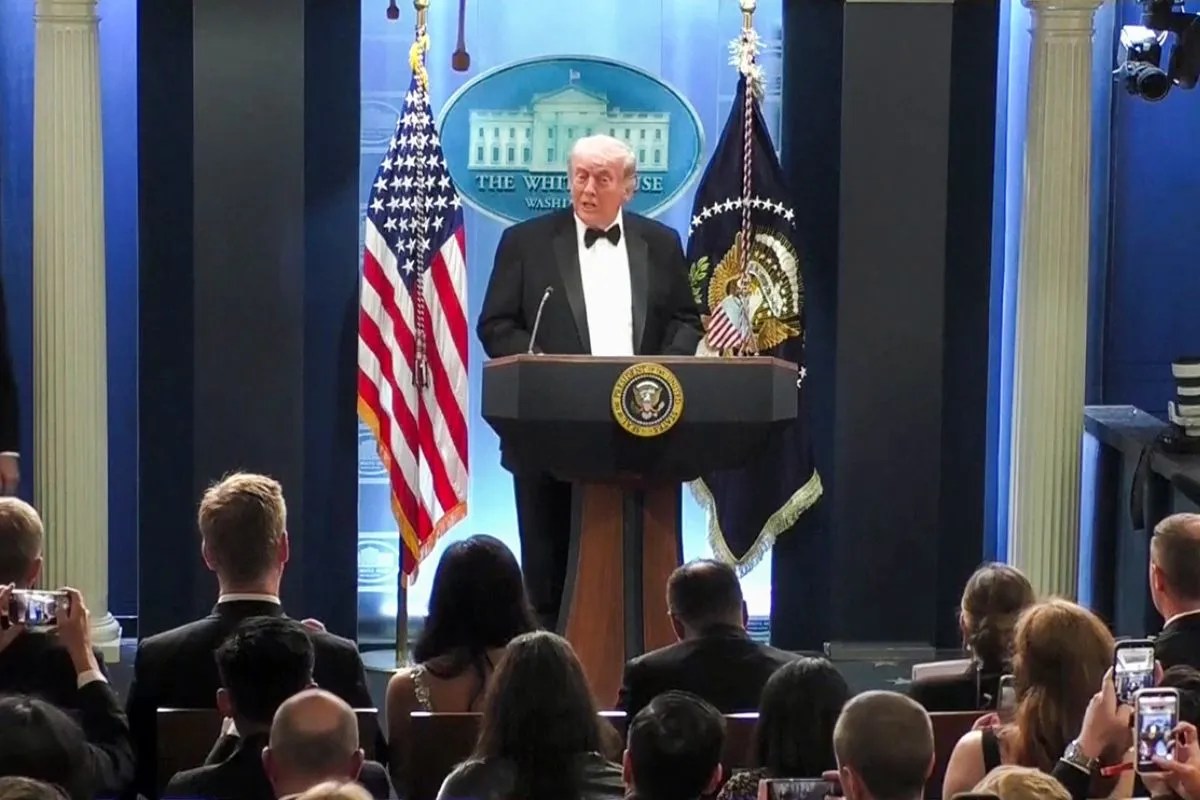
Geopolitical stability in West Asia directly dictates global supply chain velocity and energy security. When diplomatic engagements occur between regional actors such as Indian Prime Minister Narendra Modi and Iranian President Masoud Pezeshkian, international media often reduces the exchange to diplomatic pleasantries regarding freedom of navigation. This superficial treatment obscures the underlying economic mechanics, risk mitigation strategies, and hard security dilemmas governing modern maritime trade. Safeguarding commerce requires understanding the economic cost function of disrupted maritime chokepoints, the structural dependencies of energy importers, and the limits of diplomatic signaling in active conflict zones.
The Economic Mechanics of Maritime Disruption
Trade security is fundamentally an issue of logistics friction and risk premium calculation. When regional conflicts escalate near critical sea lines of communication, such as the Bab el-Mandeb Strait or the Strait of Hormuz, maritime operators do not simply stop moving goods; they absorb immediate cost increases that cascade downstream into consumer inflation.
Maritime transit disruption operates through three distinct vectors:
- Rerouting overhead: Deviating vessels around the Cape of Good Hope adds thousands of nautical miles to voyages between Asia and Europe, extending transit windows by ten to fourteen days.
- Insurance repricing: War risk insurance premiums spike dramatically for hulls operating within high-threat zones, turning marginal trade routes into unprofitable ventures.
- Asset scarcity: Extended voyage times tie up global container and tanker capacity, creating artificial vessel shortages that inflate spot freight rates regardless of baseline fuel costs.
For major Asian economies heavily reliant on West Asian hydrocarbons and European export markets, these friction points translate directly to domestic price shocks. When leaders discuss freedom of navigation, they are attempting to stabilize the baseline variables of this cost function. Diplomacy in this context serves as an economic stabilizer, designed to lower the perceived risk premium demanded by shipping syndicates and insurers.
Strategic Dependencies and Structural Vulnerabilities
The structural vulnerability of modern trade lies in its concentration. Global commerce depends heavily on a handful of narrow maritime corridors where a localized security breakdown generates systemic shocks.
India sits at the intersection of these vulnerabilities. As a rising manufacturing exporter and a major energy consumer dependent on imported crude oil and liquefied natural gas, its economic growth trajectory correlates directly with maritime security in the Western Indian Ocean and its approaches. The security architecture of this region is no longer maintained by a single dominant hegemon. Instead, it relies on a fragmented patchwork of bilateral dialogues, cooperative naval patrols, and tacit deterrence between regional powers.
When bilateral talks emphasize the protection of seafarers and non-combatant commercial vessels, they address a distinct vulnerability: human capital scarcity. Modern merchant fleets operate with lean crews. When maritime assets face targeted kinetic threats, seafarer attrition spikes. Crew members refuse to sign contracts for high-risk routes, forcing shipping companies to offer hazard pay or face vessel immobilization. The strategic constraint is not merely the availability of steel and fuel, but the willingness of labor to operate in active threat environments.
The Limitations of Diplomatic Signaling
Diplomatic engagements between middle powers facing external shocks face structural limitations. Prime Minister Modi and President Pezeshkian addressing maritime security in a multilateral or bilateral setting highlights an operational reality: non-belligerent nations must actively manage the spillover effects of conflicts they did not start and cannot easily terminate.
However, joint statements and diplomatic communiqués carry little enforcement power against non-state actors or belligerents engaged in existential warfare. The utility of such meetings is signaling. They establish diplomatic channels for crisis communication, test the alignment of regional actors regarding trade protection, and signal to domestic constituencies that the state is actively managing external economic risks.
The primary challenge is the divergence of strategic objectives among regional stakeholders. While consumer nations prioritize uninterrupted supply chains and baseline price stability, producer nations or actors engaged in asymmetric warfare operate under different risk calculi. For an actor utilizing maritime disruption as strategic leverage, commercial protection appeals carry limited weight unless backed by credible deterrence or material incentives.
Alternative Logistics and Mitigation Strategies
Supply chain resilience depends on redundancy. When primary maritime corridors face persistent kinetic threats, states and multinational corporations accelerate the deployment of alternative trade corridors.
The International North-South Transport Corridor represents an institutional attempt to bypass vulnerable maritime chokepoints by combining rail, road, and maritime transit through Central Asia, Iran, and Russia. While land-based corridors offer protection against maritime interdiction, they introduce their own structural inefficiencies:
- Transshipment bottlenecks: Moving cargo between different rail gauges and transport modes increases handling times and operational costs.
- Regulatory friction: Passing through multiple sovereign jurisdictions exposes shipments to divergent customs regimes, political sanctions, and bureaucratic delays.
- Capacity ceilings: Overland corridors possess a fraction of the throughput capacity of a standard container shipping lane, making them viable only for high-value or strategic goods rather than bulk commodities.
Consequently, land corridors serve as strategic hedges rather than complete replacements for maritime trade. The global economy remains structurally chained to the open ocean, making maritime security an irreplaceable public good.
The Geopolitical Balancing Act
Navigating the current West Asia crisis requires a foreign policy posture of multi-alignment. Major developing economies cannot afford to alienate energy suppliers in the Gulf, trade partners in the West, or regional transit hubs like Iran.
This diplomatic positioning demands strategic ambiguity combined with tactical firmness on core national interests. The insistence on protecting seafarers and maintaining open commercial channels provides a moral and legal high ground that transcends partisan geopolitical alignments. It frames security not as a zero-sum contest between competing blocs, but as a collective baseline necessity for international trade law.
Yet, diplomacy without hard power backing remains vulnerable to realpolitik. As naval deployments by various powers increase in the Indian Ocean and surrounding waters to protect commercial shipping, the risk of miscalculation grows. The presence of multiple armed actors in congested sea lanes creates a permanent potential for escalation accidents, turning protective patrols into flashpoints.
Strategic Execution Framework
To insulate critical supply lines against future regional shocks, commercial entities and state planners must transition from reactive crisis management to structural risk engineering.
Supply chain operators must diversify charter agreements to include flexible routing clauses, allowing automated switching between maritime and multimodal land corridors when threat thresholds are breached. Concurrently, maritime nations must institutionalize joint intelligence-sharing networks focused specifically on threat identification in critical chokepoints, moving beyond broad diplomatic declarations to operational coordination among naval commands. Insurance consortia and state export-credit agencies should co-design subsidized risk-pooling mechanisms that prevent war-risk premiums from pricing developing economies out of essential energy markets during localized conflicts.