The heat in Kowloon does not merely sit on your skin. It weighs. By mid-afternoon, the humidity clinging to the half-built concrete tower of a new residential high-rise feels like a wet wool blanket thrown over a furnace.
For Wah, a fifty-two-year-old steel fixer whose hands are mapped with the scars of rebar cuts, the only salvation from this stifling pressure has always lived in his shirt pocket.
A single, white cylinder. A cheap plastic lighter.
He stands on a temporary bamboo scaffold, thirty floors above the roaring traffic of Nathan Road. The wind up here is dry and carries the scent of exhaust and salty sea air from the harbor. Wah strikes the wheel. The flame catches. He inhales deeply, letting the acrid smoke fill lungs already compromised by decades of concrete dust. For three minutes, the relentless pressure of the midday deadline fades. The screaming drill downstairs becomes a dull hum.
In the construction world, this is the ritual. It is a currency of rest, a fleeting slice of peace carved out of a grueling ten-hour shift.
But this week, the air on Hong Kong's construction sites is changing forever.
A coalition of the city's largest building contractors and industry bodies has finalized a sweeping blueprint to eradicate smoking from every construction site in the territory. This blueprint, set for formal adoption, is not merely a revision of code. It is an aggressive, top-down dismantling of a blue-collar culture that has existed since the first bamboo poles were lashed together to shape the city’s skyline.
For the suits in the air-conditioned offices of Central, the decision is a matter of clear-cut statistics, fire safety, and modern corporate responsibility. For the men and women on the bamboo scaffolding, it feels like the theft of their only shield against the grind.
The friction between these two realities is where the true story of Hong Kong's new smoking ban lives.
The Tinderbox in the Sky
To understand why the builders are pushing this blueprint now, one must look at the skeletons of the buildings themselves.
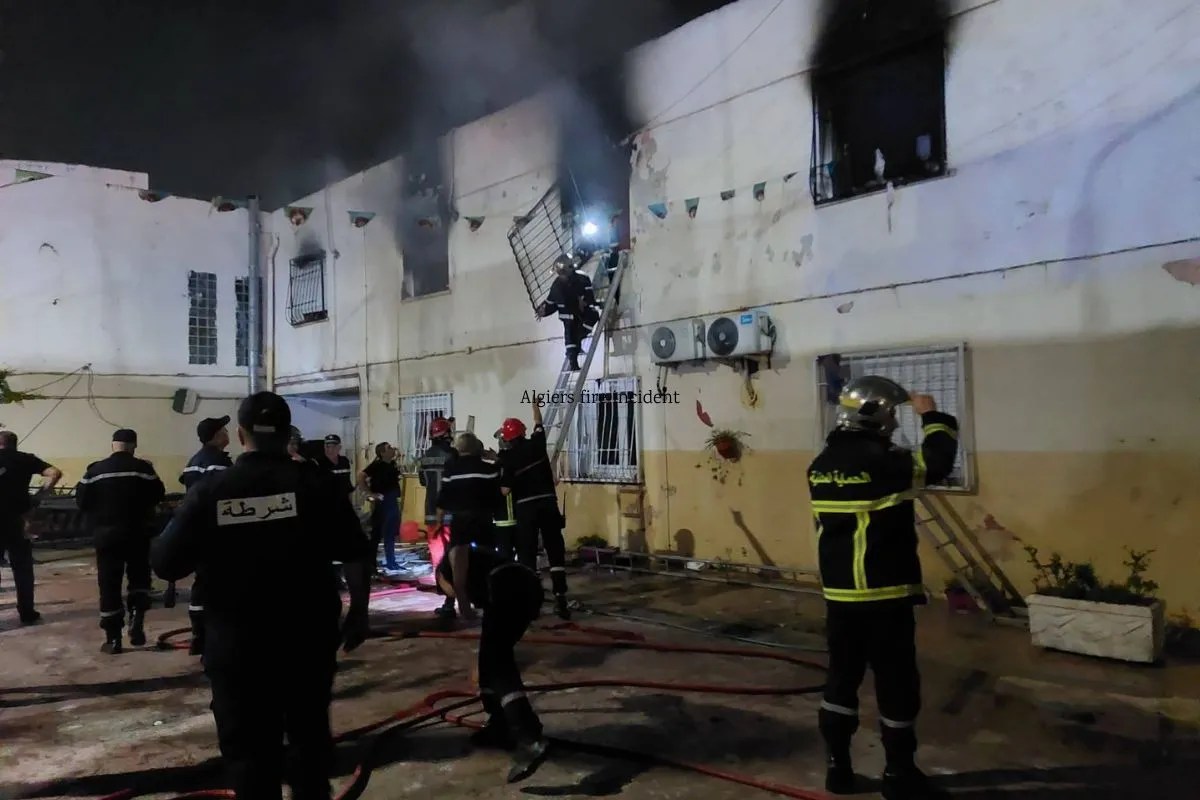
A modern high-rise under construction is a vulnerable giant. It is packed with flammable materials: polyurethane insulation, protective netting, wooden formwork, volatile chemical solvents, and propane tanks used for welding. When a fire breaks out on the forty-fifth floor of a building that does not yet have working fire elevators or permanent water risers, the results are catastrophic.
Consider a hypothetical but highly realistic scenario on a typical mid-rise project in Kwun Tong. A worker, exhausted from dragging heavy cables, sneaks behind a stack of polystyrene panels for a quick puff. A stray spark, an improperly extinguished butt kicked into a pile of sawdust, and within minutes, the entire upper deck is engulfed. Up there, wind speeds are double what they are on the street. The fire spreads laterally, trapped under unfinished ceilings, fueled by a constant draft.
This is not a theoretical fear. The city still remembers the massive, multi-alarm blazes that have gutted towers under construction, sending showers of burning embers raining down onto crowded urban districts below.
Beyond the immediate terror of fire, there is the slower, quieter tragedy of occupational health.
Construction workers in Hong Kong suffer from disproportionately high rates of chronic obstructive pulmonary disease and cardiovascular illnesses. They work in environments already thick with silica dust, diesel fumes, and paint vapors. Adding heavy tobacco smoke to this chemical cocktail is akin to pouring gasoline on a smoldering fire.
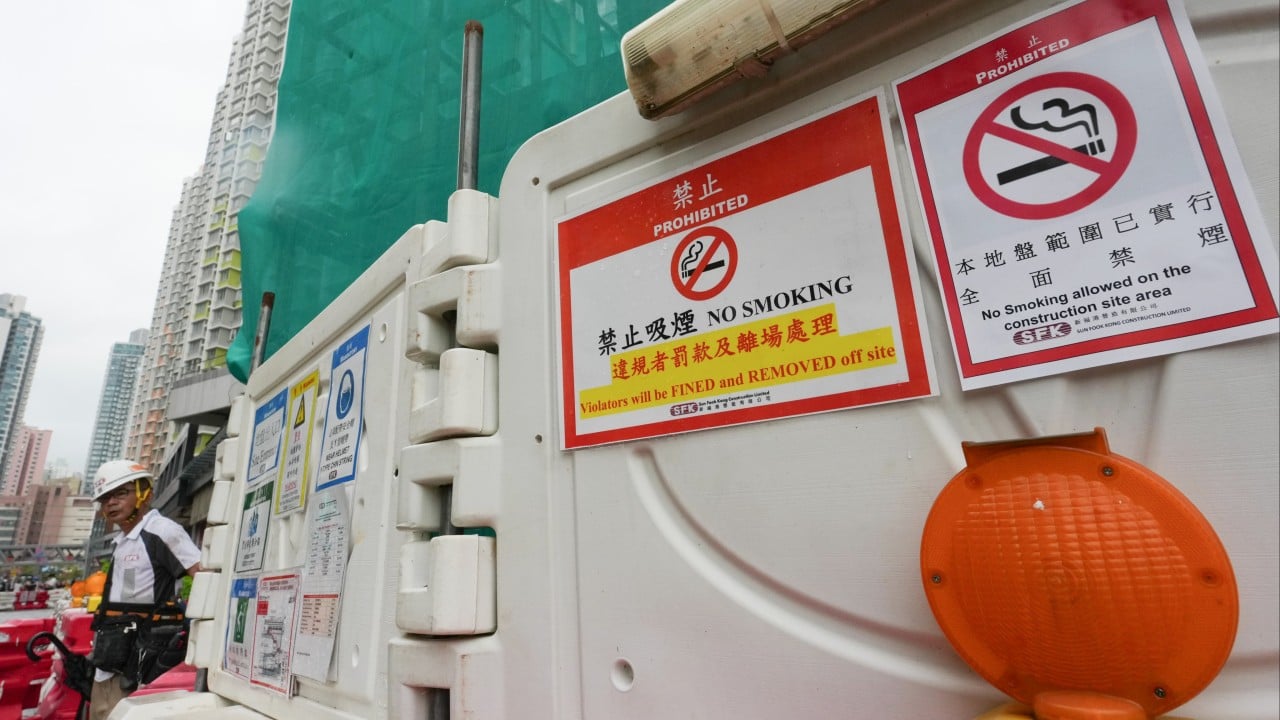
The industry’s leading developers realized that incremental warnings were no longer enough. The new blueprint is designed to be an absolute, uncompromising shift. No smoking on site. No exceptions. Not even in open-air areas or partially completed basements.
The Currency of the Break
But logic rarely comforts a tired body.
To understand why this ban is met with quiet resentment, you have to look at the psychology of the laborer. In the hierarchy of the construction site, time is strictly policed. Breaks are scheduled, logged, and monitored.
Yet, the smoke break has always occupied a gray zone. It is an unwritten pact. A supervisor who might yell at a worker for sitting idle for five minutes will often look the other way if that worker is holding a lit cigarette.
"If I stop to just breathe, they think I am lazy," Wah says, speaking through an interpreter about the unspoken rules of the site. "But if I smoke, they know I am just having my cigarette. It is the only time nobody asks me to lift something."
The cigarette is a physical marker of a boundary. It tells the boss, I am off the clock for exactly the length of this burning ember.
Taking that away without replacing it with something meaningful creates a vacuum of stress. The builders behind the blueprint recognize this danger. If they simply enforce a ban with fines and security patrols, they risk driving the habit underground. Workers will smoke in dark, unventilated elevator shafts or service closets—the very places where a fire is most difficult to detect and extinguish.
Therefore, the blueprint is attempting to do something far more complex than issuing a simple prohibition. It is trying to redesign the daily rhythm of the worker.
The plan introduces mandated, smoke-free rest intervals, complete with designated rest areas equipped with cold water, cooling fans, and seating. The goal is to separate the concept of rest from the act of smoking. The message is clear: you do not need a cigarette to earn the right to sit down.
A Blueprint Built on Behavioral Science
The developers are deploying a mix of surveillance and support to ensure compliance.
Under the new guidelines, site safety officers will be retrained not just as enforcers, but as health ambassadors. Security cameras, already ubiquitous on modern, tech-enabled sites, will monitor high-risk blind spots where workers traditionally sneak away for a puff.
But the real test of the blueprint lies in its carrot, not its stick.
The initiative partners with local health departments to bring smoking cessation clinics directly to the dust-caked gates of the construction sites. Mobile medical vans will offer nicotine replacement therapies, counseling, and lung capacity testing during lunch hours.
The developers are betting that convenience will conquer habit. If a worker can get free nicotine patches and a quick check-up without having to navigate the crowded public hospital system on their rare day off, they are far more likely to make the attempt to quit.
The financial stakes for developers are immense. A single major fire can halt a multi-billion-dollar project for months, incurring massive penalty clauses and skyrocketing insurance premiums. By cleaning up the air on site, developers are not just protecting their workforce; they are safeguarding their capital.
Yet, the human transition remains a delicate dance.
The Quiet Evolution of the Skyline
As the sun begins to dip behind the peaks of Lantau Island, casting long, golden shadows across the concrete canyons of Kowloon, the shift bell rings.
Wah pack his tools into his heavy canvas bag. He wipes the sweat from his forehead with a yellowed towel draped around his neck. He reaches into his pocket, feels the familiar shape of the cardboard pack, and hesitates.
He looks at the new safety banners hanging from the green construction netting near the exit. They are bright, clean, and uncompromising.
The era of the smoke-filled scaffold is ending. The towering monoliths that define Hong Kong's iconic silhouette will no longer be built on a foundation of shared ashes and exhaled smoke.
It is a necessary step forward, a modern evolution for a world-class metropolis. But as the workers file out of the gates, their shoulders slumped from the day's toil, there is a collective, silent realization that the hardest thing to build on a construction site isn't a hundred-story tower of glass and steel.
It is a new habit.