A fierce gunfight in the mountains of northwest Pakistan just reminded everyone that the state isn't the only target in the region. Most mainstream news reports focus entirely on the direct war between security forces and insurgent groups. But the latest bloodbath in the Central Kurram district reveals a messy, chaotic reality that doesn't make the front pages quite as often. Local factions are turning on each other, and the body count is rising fast.
At least 14 militants died during an intense clash between two rival armed groups in the Manato Kamran Killay area of Central Kurram. This isn't a story about a coordinated ambush on a military convoy or a government-led sweep. It's a tale of bloody internal friction, localized turf wars, and factional fracturing right along the volatile border with Afghanistan.
When networks start eating themselves from the inside, the security landscape changes for everyone living in Khyber Pakhtunkhwa province.
The Central Kurram Bloodbath Explained Simply
The fight broke out in a remote, rugged village near the Afghan border, a geography known for its difficult terrain and historical instability. According to local police reports, forces loyal to two separate militant commanders, Ahmad Kazim and Mumtaz Imti, engaged in a heavy exchange of fire.
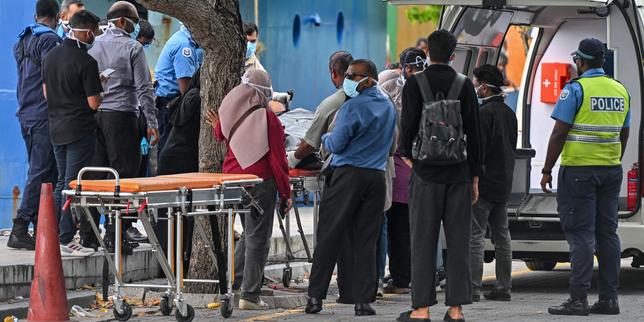
The battle didn't leave much room for survival. Commander Mumtaz Imti himself was killed during the crossfire. Once the dust settled, 14 fighters lay dead, and several others were left severely injured. The state didn't even have a hand in the immediate aftermath; local residents ended up burying the bodies in the area before official security apparatuses could fully secure the perimeter.
This localized explosion of violence highlights a massive blind spot in how people analyze regional security. Pakistan's northwestern belt isn't a monolith controlled by a single, unified command structure. It's an incredibly fractured environment where multiple armed factions operate simultaneously, often sharing the same micro-regions but harboring bitter rivalries over resources, territorial control, and ideological dominance.
What Most Media Reports Get Wrong About the Kurram Border
When people think of militancy in northwestern Pakistan, they usually picture the Tehreek-e-Taliban Pakistan (TTP) or regional affiliates pulling all the strings. The reality on the ground is far more tribal and atomized.
Central Kurram acts as a strategic bottleneck. It shares a direct border with Afghanistan, making it a prime transit corridor for contraband, weapons, and fighters moving between the two countries. When you have multiple armed groups squeezed into places like the Manato Kamran Killay area, peace is always temporary.
- Resource Scarcity: Armed factions rely heavily on local extortion networks, smuggling routes, and illegal taxation to fund their operations. When territory shrinks due to military pressure, groups end up stepping on each other's toes.
- Command Defiance: Splinter groups frequently break away from primary organizations. Younger, more aggressive commanders often refuse to follow the old guard, leading to violent purges like the one that took down Mumtaz Imti.
- Tribal Infiltration: Local rivalries and sectarian dynamics frequently bleed into militant politics. An alliance of convenience can shatter in a matter of minutes over a localized dispute.
The Pakistani military has conducted numerous operations throughout Central Kurram over the years, destroying training centers and hideouts. But every time a major network is disrupted, it leaves a power vacuum. What we are seeing now is the messy process of smaller, hyper-local factions fighting to see who gets to sit on the empty throne.
The Broader Context of Pakistan Escalating Security Crisis
You can't look at this specific 14-militant body count in isolation. It's happening against a backdrop of a massive spike in regional violence across Khyber Pakhtunkhwa. Just days prior to this internal clash, a string of devastating incidents rocked the province, including a militant attack in Bannu district that left 15 security officials dead, and separate intelligence-based operations in North Waziristan and Khyber district that killed dozens of fighters.
The state is currently playing a violent game of whack-a-mole. While the military focuses its energy on protecting strategic infrastructure and foreign development projects, the internal friction between these rogue networks adds a layer of unpredictability that local police are struggling to contain.
When rival commanders start wiping each other out, it might seem like a win for law enforcement on the surface. Fewer bad guys, right? Not exactly. These unpredictable skirmishes often result in heavy civilian displacement, collateral damage, and an environment where local populations are caught in a permanent crossfire. The fact that several armed groups are confirmed to be operating simultaneously in a single pocket like Central Kurram means the threat of spontaneous, localized warfare remains incredibly high.
The immediate next step for tracking this regional shift involves watching how the remaining elements of Mumtaz Imti's faction react to his death. Retaliation cycles in these border areas don't fade quickly, and a power struggle like this usually triggers a domino effect across neighboring tribal districts. Keep your eyes on the border corridors; the internal fractures within these networks will likely dictate the next wave of instability before the state even gets a chance to intervene.