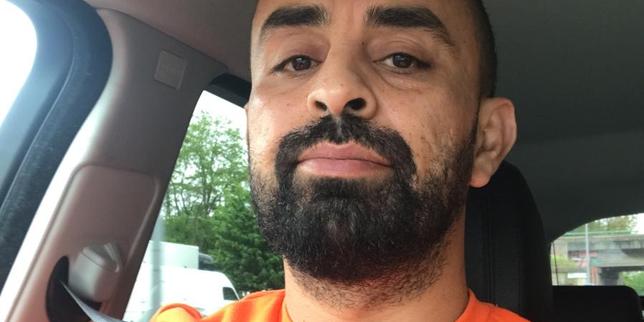
Imagine standing before a judge, hearing the words "not guilty" ring out, and realizing you are still walking right back to a prison cell. That is not a dystopian fiction novel. That is the actual, documented nightmare lived by Onsi Abichou, a Franco-Tunisian citizen caught inside a devastating judicial loop.
You would think that an acquittal changes things. When a court clears your name once, you breathe a sigh of relief. When a court clears your name five separate times, you expect to pack your bags and go home to your family. But in Tunis, the rules of common sense simply do not apply.
The Roots of an Infinite Nightmare
The ordeal for Abichou didn't start yesterday. It stretches back over a decade and a half, rooted in a sprawling drug-trafficking case involving a commercial vehicle. Back in 2008, he faced a life sentence in absentia. The entire foundation of that initial conviction rested on shaky ground: statements extracted from a co-defendant who alleged involvement simply because Abichou had previously owned a van tied to the case. Human rights organizations like ACAT pointed out early on that those primary testimonies came under extreme duress.
Extradited from Europe despite intense warnings about fair trial violations, Abichou ended up behind bars. Following the Tunisian revolution, things briefly looked up, and he was liberated. But stability in the legal system proved fleeting. In the summer of 2021, a return trip to Tunisia morphed into an unexpected re-arrest at the border. Just like that, the clock reset on his freedom.
Why Five Acquittals Are Not Enough
People assume legal systems operate on a three-strikes rule, or that double jeopardy protects an individual from endless persecution. Not here. Every single time the Tunisian courts reviewed the evidence and handed down an acquittal—reaching a total of five separate rulings by mid-2025—the public prosecutor immediately appealed.
An appeal is normal in any robust democracy. An endless cycle of appeals designed to bypass repeated judicial exonerations crosses the line into administrative harassment. Abichou remains locked inside Mornaguia prison, enduring conditions that break down even the most resilient individuals.
When you look closely at how cases like this drag on, you see a systemic refusal to admit error. Prosecutors dig their heels in. Files gather dust while human lives disintegrate in overcrowded cells characterized by poor sanitation and negligible medical support.
The Human Cost Behind the Headlines
Statistics and legal jargon hide the actual devastation. Abichou's family deals with the fallout every single day. His children grow up with an absent father whose release date keeps shifting due to institutional stubbornness. Psychological exhaustion has taken over, marked by severe depressive episodes and desperate protests within the prison walls.
Diplomatic channels remain frustratingly quiet. Calls to action from family members and legal advocates often hit a brick wall of bureaucratic silence from both Tunisian authorities and French consular officials. It exposes a harsh truth about dual nationality and consular protection: when push comes to shove, international diplomacy moves at a glacial pace, leaving individuals to fend for themselves against formidable state apparatuses.
We need to talk about accountability within judicial systems that treat human freedom as a disposable commodity. An acquittal must mean something. If a court of law reviews a file five distinct times and finds no grounds for guilt, keeping that person locked away transforms the justice system into an instrument of arbitrary detention.
The file on Onsi Abichou stands as a glaring reminder of how paperwork and prosecutorial stubbornness can eclipse basic human rights. Stop treating these cases as isolated anomalies. Demand transparency, push for definitive legal caps on appeals following repeated acquittals, and force authorities to honor their own judicial verdicts.
Watch this detailed report on the case to understand the full scope of the legal battle and interviews with his legal team and family.