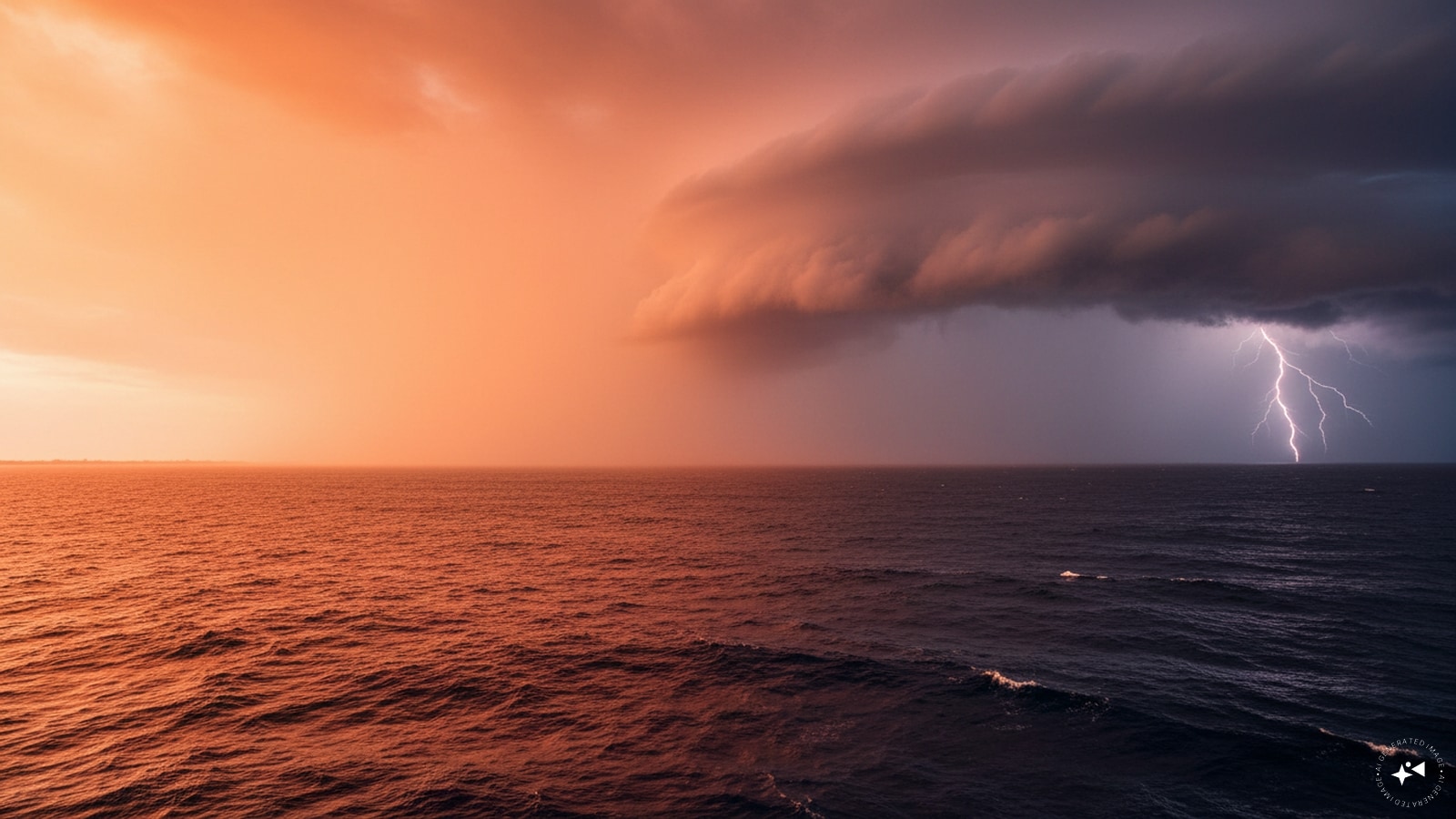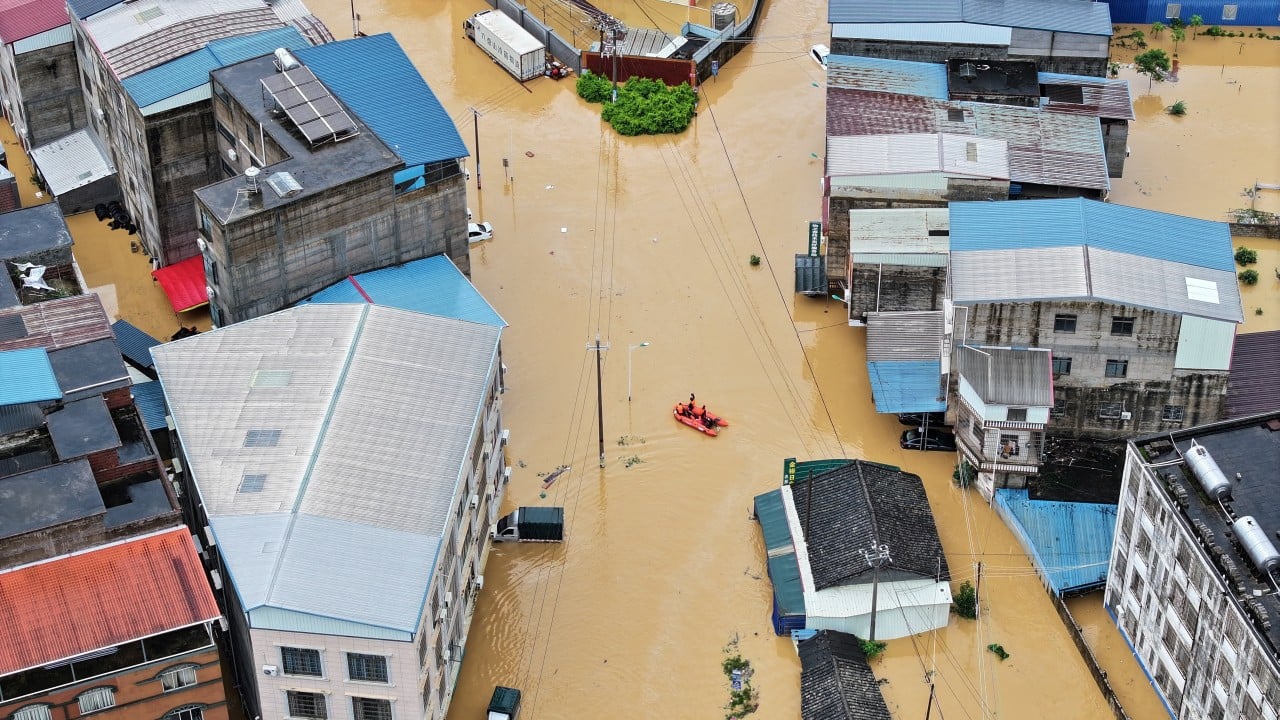
Every time a storm like Typhoon Maysak tears through East Asia, the media playbook writes itself. Headlines scream about historic fury, angry skies, and tragic acts of God. Commentators lament the wrath of nature and tally the catastrophic losses with grim fascination. It is a lazy, comforting narrative. It lets governments off the hook and reduces systemic failure to bad weather.
The official death toll hitting 159 is not a tragedy written by the wind. It is an indictment written by decades of urban planning shortcuts, compromised infrastructure, and institutional cowardice. Blaming the typhoon for the body count is like blaming gravity for a plane crash caused by missing bolts.
The Comforting Lie of Natural Disaster
Let us clear away the romanticized nonsense about unstoppable meteorological fury. Typhoons do not kill people. Collapsing concrete, neglected drainage networks, and zoning permits issued in exchange for political favors kill people.
When Maysak plowed through the region, the standard refrain echoed through every newsroom: nobody could have predicted this magnitude of destruction. That is a flat lie. Meteorologists tracked the trajectory for days. Satellite telemetry gave precise wind speeds and rainfall projections. The data was there, pristine and actionable.
Yet, local authorities treated the warning like background noise. I have spent two decades analyzing emergency response frameworks across the Asia-Pacific basin. I have watched municipal budgets get funneled into vanity architectural projects while critical seawalls rusted into decorative rubble. When the storm hit, the failure points were entirely predictable because they were the exact same failure points exposed during the last major storm a decade ago.
We do not have a natural disaster crisis. We have a maintenance crisis masquerading as meteorology.
The Economics of Neglect
Why do officials ignore the data? Follow the money. Preventing disaster is invisible. A seawall that holds back a storm surge generates zero ribbon-cutting ceremonies, zero political donations, and zero viral social media moments for a mayor running for re-election.
Conversely, pouring concrete for luxury high-rises on reclaimed wetlands creates immediate cash flow and short-term political wins. Cities expand into floodplains not because space is scarce, but because speculative real estate yields higher returns than drainage engineering.
When the inevitable storm arrives, the damage costs are externalized onto the public taxpayer and the families burying their dead. The private developers who paved over natural drainage basins are long gone with their profits.
Why Standard Emergency Protocols Fail
Emergency management agencies love to talk about evacuation preparedness, yet their playbook relies on citizens acting as amateur meteorologists. When evacuation orders are issued too late or crying wolf becomes standard operating procedure due to bureaucratic cowardice, people stop listening.
Look at how the evacuation warnings for Maysak were handled. Notices went out via text message channels that thousands of migrant laborers and elderly residents could not access or parse. Shelters were overcrowded, undersupplied, and located in flood zones themselves.
A functional emergency response does not ask citizens to make heroic choices under pressure. It removes the choice by building systems that do not fail when the power grid goes down. If your primary evacuation route turns into a river during a category two storm, you do not have an evacuation plan; you have a casualty funnel.
The Accounting of Loss
Counting 159 dead is a bookkeeping exercise in obfuscation. It ignores the permanent economic displacement, the destroyed livelihoods, and the contaminated water tables that will shorten lives for years to come.
When we accept 159 as an acceptable toll for a predictable storm, we establish a baseline of institutional incompetence. We normalize the idea that modern industrial states can put rockets on Mars, yet remain entirely helpless against seasonal weather patterns that have been mapped for centuries.
Stop waiting for the next climate summit to fix this. Stop accepting weather reports as obituaries. The fix is boring, expensive, and politically toxic: rip up zoning permits in flood zones, jail officials who sign off on substandard infrastructure, and spend billions on underground drainage instead of overground monuments.
Until we treat structural negligence as manslaughter, the death toll will keep rising, and the weather will keep taking the blame.