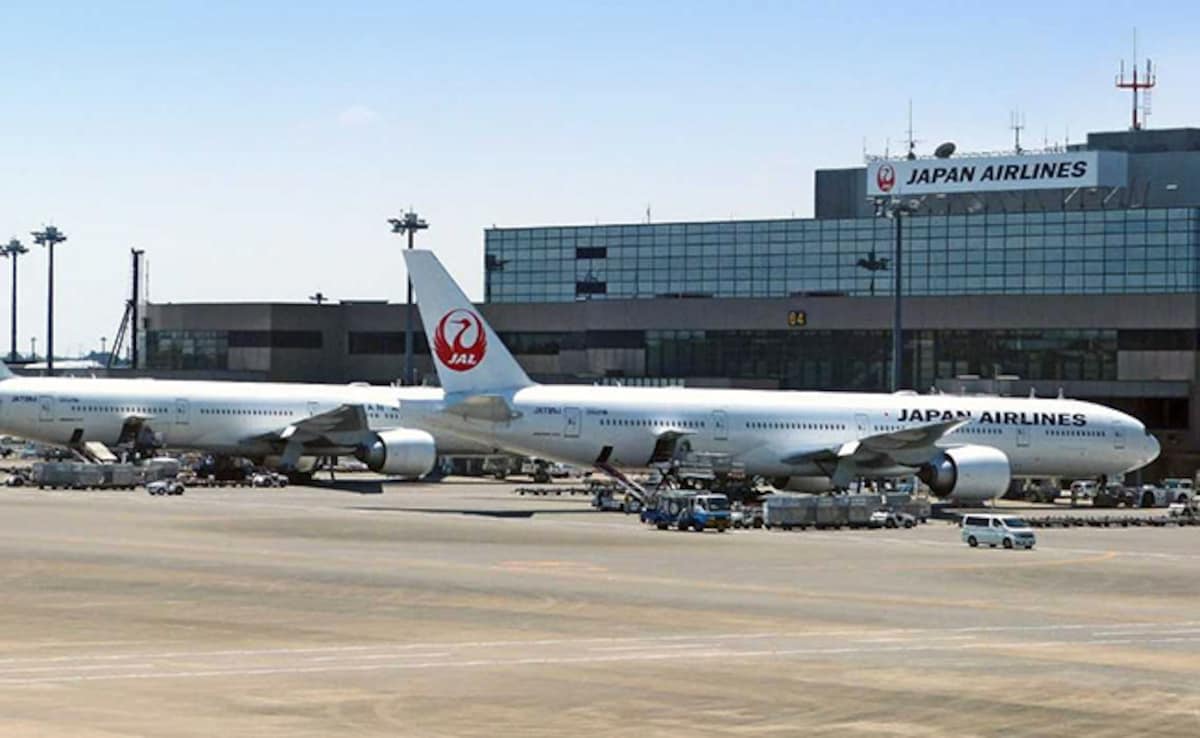
You finish a tough flight, check into your layover hotel, and head down to the bar to unwind with a colleague. It feels like a normal, harmless routine. But for flight attendants at Japan Airlines (JAL), that casual drink is officially history.
The airline just slapped a total alcohol ban on all cabin crew during out-of-station layovers. No beers at dinner. No wine at the hotel lounge. Nothing.
If this sounds like an extreme overreaction to a minor issue, you have to look at the broader picture. JAL isn't just dealing with one rogue employee. The airline is fighting a full-blown crisis of public trust after a brutal string of booze-related scandals spanning multiple years. This latest policy change shows that the company's leadership has completely run out of patience.
The Hiroshima Incident That Broke the Camels Back
The decision came straight after a major mess on May 23, 2026. A JAL Boeing 767 was sitting on the tarmac at Hiroshima Airport, scheduled for an early morning hop to Tokyo's Haneda Airport. On board were 186 passengers waiting to get moving.
Instead of taking off, the flight sat grounded.
The chief flight attendant—the purser, who had been with the company since 1992 and was recently promoted—failed a pre-flight breathalyzer test. Her breath alcohol concentration clocked in at 0.11 milligrams. JAL's limit is zero. They tested her again and again, hoping for a machine error. The numbers didn't lie.
An internal investigation revealed that the purser and a colleague went to a hotel lounge the evening before. They started drinking at 5:30 p.m., just over an hour before the airline’s mandatory 12-hour pre-duty sober window kicked in. The problem is they didn't stop when the clock hit 6:30 p.m. The purser downed two beers and two glasses of white wine, continuing to drink until at least 7:15 p.m.
To make things worse, she tried to cover her tracks. She took an initial self-check test in the morning, blew a positive result, and simply chose not to log it into the company's internal tracker app. She showed up at the airport anyway, assuming she could skate by.
She couldn't.
Because her drinking buddy also called out sick that morning, JAL found itself short two cabin crew members. They had to scramble for replacements, delaying Flight JL252 by 42 minutes. While a 42-minute delay doesn't sound like the end of the world, it was the absolute last straw for regulators in Tokyo.
A Chronology of Aviation Drinking Scandals
This wasn't an isolated night of bad judgment. JAL has been under an intense microscope from Japan's Ministry of Land, Infrastructure, Transport and Tourism due to an embarrassing pattern of behavior across both the cabin and the cockpit.
- April 2024 (Dallas, Texas): A flight from Dallas-Fort Worth to Tokyo Haneda was canceled entirely because the captain got heavily intoxicated at a hotel bar and his room, prompting hotel staff to call the police over his rowdy behavior. JAL couldn't find a replacement pilot in time.
- December 2024 (Melbourne, Australia): Two highly experienced captains tested positive for alcohol at their hotel before a flight to Tokyo. They tried to delay their shifts and manipulate their reporting times. The flight left over three hours late.
- January 2025 (Corporate Fallout): The Melbourne incident caused such severe reputational damage that JAL CEO Mitsuko Tottori and Chairman Yuji Akasaka took voluntary 30% pay cuts for two months. Akasaka was also stripped of his safety oversight responsibilities.
- August 2025 (Hawaii): An international captain drank three large bottles of beer in his hotel room the day before a flight, felt sick the next morning, and caused an 18-hour delay that messed up travel plans for 630 passengers. It later leaked that JAL knew this pilot had an alcohol issue and had flagged him previously, yet kept letting him fly.
When you look at that timeline, you realize why JAL went nuclear with this new rule. They had already banned pilots from drinking on layovers after the 2025 Hawaii disaster. Extending the dry rule to the 6,000-plus cabin attendants was the only logical step left to protect what remains of their corporate reputation.
The High Stakes of Japanese Corporate Trust
Western travelers might wonder why an airline would completely ban a flight attendant from having a single glass of wine 14 hours before a flight. The answer lies in the deep cultural expectations of corporate accountability in Japan.
Public trust is everything for Japanese carriers. JAL shares the domestic market with All Nippon Airways (ANA), and both airlines trade heavily on their reputation for absolute safety, military-grade punctuality, and flawless hospitality.
Furthermore, JAL carries historical scars. Airline leadership frequently references the 1985 crash of Flight 123, the deadliest single-aircraft accident in aviation history, as the emotional baseline for their safety culture. When Transport Minister Hiromasa Nakano publicly stated that safety awareness was not thoroughly instilled across JAL’s workforce, it was a devastating public shaming. A blanket alcohol ban is a PR shield as much as a safety policy.
The Reality of Strict Aviation Alcohol Limits
Aviation authorities worldwide don't play around with blood alcohol concentrations (BAC), but individual airlines often set internal limits that are much tougher than local laws.
The Federal Aviation Administration (FAA) in the United States uses the "eight hours bottle to throttle" rule and sets the legal BAC limit at 0.04%. However, many major international airlines enforce a 12-hour window and a strict 0.00% absolute zero tolerance policy.
Alcohol stays in the system longer than most people realize. Even if a crew member feels completely sober, a high-quality airport breathalyzer will catch residual levels from a late-night drinking session. At cruising altitudes, hypoxia can amplify the minor sluggishness of a mild hangover, dulling reaction times during a sudden cabin decompression or emergency evacuation.
What This Means for Crew and Passengers
If you are a passenger flying on JAL, you can expect fewer operational delays caused by crew availability issues. The airline is making a bet that eliminating the temptation of alcohol on the road will stabilize their schedules and keep regulators off their backs.
For the crew, life on the road just got much lonelier. Layovers are notoriously isolating, and sharing a drink at the end of a multi-leg shift is a primary way crew members bond and decompress. Stripping away that social outlet could hurt crew morale and make international routes less appealing to senior staff.
Honestly, JAL didn't have a choice. When your executives are taking pay cuts and local police are getting called to hotel rooms in foreign outstations, the party is officially over.
If you are working in corporate risk management or aviation operations, the takeaway here is clear. Incremental policy tweaks don't fix systemic behavioral issues. If your team ignores a 12-hour warning window, the only tool left in your box is a total shutdown. Expect other risk-averse Asian carriers to watch this rollout closely. If it successfully stops the negative headlines, dry layovers might just become the new industry standard.