Tourism boards and lazy travel writers love to pitch underwater forests as mystical, serene wonderlands. They point to places like Clear Lake in Oregon or the flooded cypress groves of Caddo Lake on the Texas-Louisiana border and use words like "untouched" or "magical."
They are lying to you, or at least omitting the ugly ecological reality.
An underwater forest is not a sign of a thriving, pristine ecosystem. In nearly every case, it is a graphic crime scene of sudden environmental trauma. It is the visual aftermath of a violent landslide, a catastrophic earthquake, or an intrusive human dam project that choked the life out of a woodland.
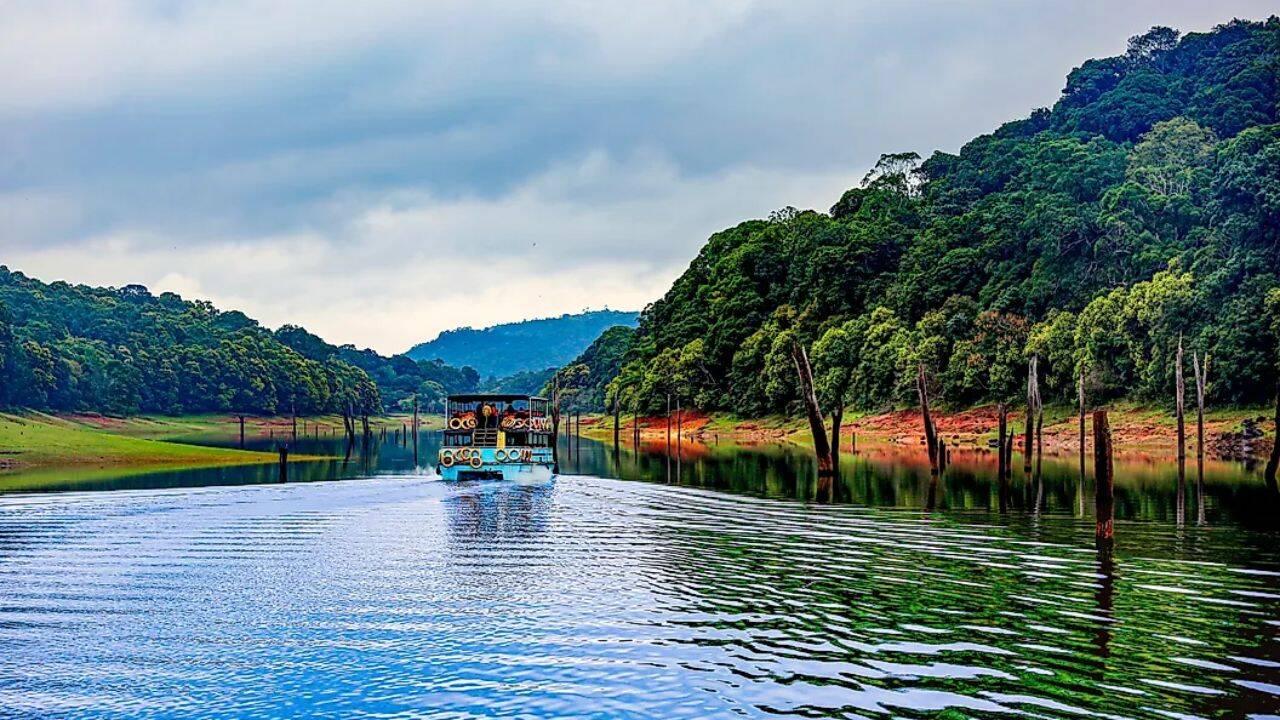
When you look at those eerie, submerged trunks through a glass-bottom boat, you are not looking at a hidden wonder. You are looking at a beautifully preserved graveyard. It is time to drop the romanticism and look at the actual science of why these lakes exist, why they are disappearing, and why your desire to kayak through them is actively wrecking them.
The Myth of the Timeless Submerged Wood
The travel industry promotes the idea that these lakes are ancient, stable fixtures of the natural world. They want you to think these trees have always been there, perfectly balanced in a watery paradise.
They haven't. They are ticking clocks.
Take Clear Lake in Oregon. The narrative is always about the impossibly clear water and the ancient trunks standing upright 100 feet below the surface. What the brochures gloss over is that this "forest" is the result of a violent volcanic event roughly 3,000 years ago. A lava flow from Sand Mountain blocked the upper McKenzie River, creating a sudden, massive backup of water that drowned the existing old-growth forest.
The only reason those trees are still there is the water's extreme, year-round cold temperature, which hovers near freezing and slows down the bacteria that cause decomposition. It is a freak accident of refrigeration, not a sustainable ecosystem design.
When you look at Caddo Lake, you are looking at a different kind of trauma. Caddo is a maze of bald cypress trees draped in Spanish moss. It looks ancient, but its current state is largely artificial. The lake was initially formed by a massive, naturally occurring log jam on the Red River in the early 1800s. When humans blew up that log jam to allow commercial navigation, the water levels dropped, nearly destroying the wetland. What you see today is maintained by a man-made dam built in the 20th century.
We are obsessed with preserving these landscapes in amber, ignoring the fact that lakes are dynamic, changing systems. A drowned forest is a transitional phase. Treating it as a permanent monument is scientifically illiterate.
The Tourism Double-Standard: Destruction by Kayak
People ask if you can swim or boat through underwater forests. The short answer is yes, but the honest answer is that you shouldn't.
The very things that make these lakes attractive to tourists make them incredibly fragile. I have spent years tracking how recreational footprint data correlates with habitat degradation in freshwater systems. The pattern is always the same: a location goes viral on social media, foot traffic spikes, and the ecosystem collapses.
When thousands of paddlers flock to a place like Caddo Lake or Lake Kaindy in Kazakhstan, they bring a massive wave of micro-disruptions.
- Sediment Stirring: Paddles and hulls kick up fine silt from the lake bed. In ultra-clear lakes like Oregon's Clear Lake, this kills the exact clarity that keeps the lake unique. High turbidity blocks sunlight from reaching underwater plants, disrupting the entire food chain.
- Physical Impact: The wood in these lakes might be preserved, but it is often waterlogged and brittle. Kayakers constantly bump into the trunks, breaking off branches that have stood for centuries.
- Chemical Pollution: Sunscreen, bug spray, and the inevitable trash left behind by casual tourists accumulate in these enclosed water bodies.
If you truly care about these environments, the best thing you can do is stay out of the water. Peer at them from a distance on shore, or look at a high-resolution photo. Your physical presence in a kayak is an act of degradation.
Why Clear Water is an Ecological Illusion
We are conditioned to think that clear water equals a healthy environment. In the context of underwater forests, clear water is often an indicator of low biological productivity.
In Lake Kaindy, the striking turquoise water and visible pine trunks are the result of limestone deposits and cold temperatures. The water is so cold and devoid of nutrients that very little algae can grow. It is a biological desert.
When a lake is rich in nutrients and supporting a massive, diverse population of fish, amphibians, and microscopic life, it is usually green or brownish. It is murky. It looks "dirty" to the untrained eye of a tourist looking for an Instagram photo.
By prioritizing the aesthetic of the clear, dead lake, we undervalue the messy, muddy wetlands that actually do the heavy lifting for planetary health. Caddo Lake is valuable because it is a complex, swampy wetland filled with decaying matter and thriving wildlife, not because it looks pretty in a travel blog layout.
The Harsh Reality of Lake Conservation
Here is the truth that conservation groups rarely admit: you cannot save an underwater forest forever.
Wood rots. Even in the freezing depths of Clear Lake, the wood is slowly softening. Eventually, gravity and time will win. The trees will collapse, sink into the mud, and become part of the lake bed sediment.
Trying to engineer these lakes to keep the trees upright forever is a fool's errand. It requires heavy-handed human intervention—like dams, water level manipulation, and strict zoning—that often causes more harm to the surrounding watershed than good.
We need to stop viewing nature as a static museum exhibit. The underwater forests we see today are a snapshot of a specific moment in geological time. They are meant to disappear.
If you want to see one, understand exactly what you are looking at. You are observing a slow-motion car crash of natural history. Enjoy the view from dry land, accept that it will eventually vanish, and stop paddling over the graves of trees that died thousands of years ago.