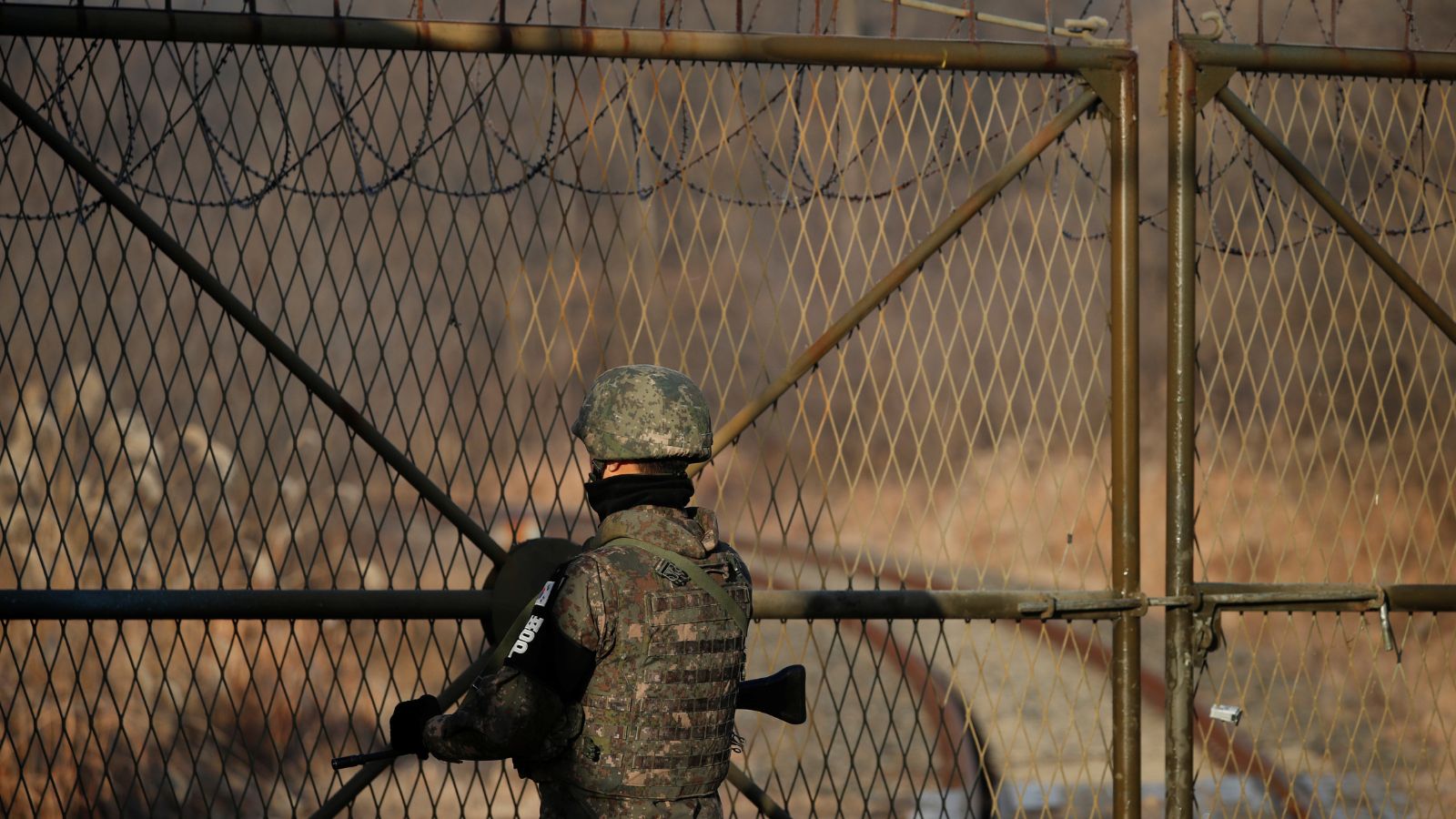
Spatial fragmentation is rarely achieved through a single, sudden decree. Instead, it is engineered brick by brick, gate by gate, and road by road over decades. In the occupied West Bank, the physical architecture of control has transformed from a sprawling web of temporary inconveniences into an immovable apparatus of separation. According to tracking data compiled by the United Nations Office for the Coordination of Humanitarian Affairs (OCHA), the total number of physical movement obstacles restricting Palestinians across the West Bank has surged past 900. This network includes permanent 24-hour checkpoints, remotely operated steel road gates, deep trenches, and earthen mounds that systematically carve a continuous territory into isolated cantons.
To understand how this infrastructure operates on a daily basis, one must examine the mechanics of transit corridors like Road 60, the primary north-south artery running the length of the West Bank. Over a hundred physical barriers intersect or directly block access to this vital route, forcing local traffic off major highways and onto an increasingly convoluted network of secondary and tertiary agricultural paths. For a delivery truck driver hauling produce from Jenin to Hebron, a trip that should take under two hours can stretch into a six-hour ordeal of sudden closures, unmanned iron gates, and unpredictable mobile checkpoints.
The Logistics of Attrition
The transformation of West Bank geography relies heavily on shifting architectural typologies. Decades ago, the primary methods of closure were ad-hoc piles of dirt and casual roadblocks that local communities could dig around or clear with tractors. Today, those temporary obstructions have been replaced by permanent structural engineering projects. Heavy steel gates, concrete blocks, and biometric-enabled surveillance towers dominate the terrain.
This architecture serves a distinct logistical purpose. By regulating every entry and exit point between Palestinian municipal zones, military planners exercise absolute authority over demographic and economic flows. Consider the agricultural sector, which suffers immensely under these rules. Large portions of arable land sit trapped behind security barriers or inside designated military zones, forcing farmers to apply for special seasonal permits to harvest their own crops.
When permits are delayed or denied during critical windows like the olive harvest season, entire crop yields rot on the branches. The economic cost compounds yearly, draining local capital and ensuring that Palestinian towns remain economically dependent and structurally disconnected from regional markets.
The Human Cost in Transit
Emergency medical care reveals the acute danger of this spatial fragmentation. Ambulances attempting to transfer critical patients between regional hospitals face routine delays at checkpoints where coordination protocols can take hours to clear.
For example, consider a hypothetical scenario based on documented field reports: an ambulance carrying a patient suffering from acute cardiac arrest is halted at an unstaffed iron gate blocking the approach to a municipal hospital. The driver must reverse, navigate unpaved dirt tracks through olive groves, and attempt to reach an alternative checkpoint, only to find it locked. These delays turn routine medical interventions into high-stakes crises, frequently resulting in preventable complications or fatalities before patients ever reach an operating room.
International human rights monitors and health organizations have repeatedly highlighted these transit blockages as violations of fundamental humanitarian protections. Yet, the system continues to expand, driven by institutional momentum and security doctrines that prioritize absolute physical separation over civilian welfare.
The Geopolitical Endgame
Beyond the immediate administrative hurdles and economic strangulation lies a profound political reality. The systematic partitioning of the West Bank directly forecloses the physical possibility of a contiguous, viable state. As population centers are boxed into disconnected enclaves surrounded by expanding settlement blocs and military infrastructure, the geographic baseline for any negotiated two-state solution is systematically eroded.
What remains is a mosaic of fragmented jurisdictions managed entirely from the outside. Every closed gate, every restricted highway, and every permit requirement acts as a structural wedge, driving deeper divides into a landscape that grows more fractured with each passing month