You can call it wishful thinking or long-term calculus, but Seoul is dusting off a railway blueprint that everyone assumed was dead and buried.
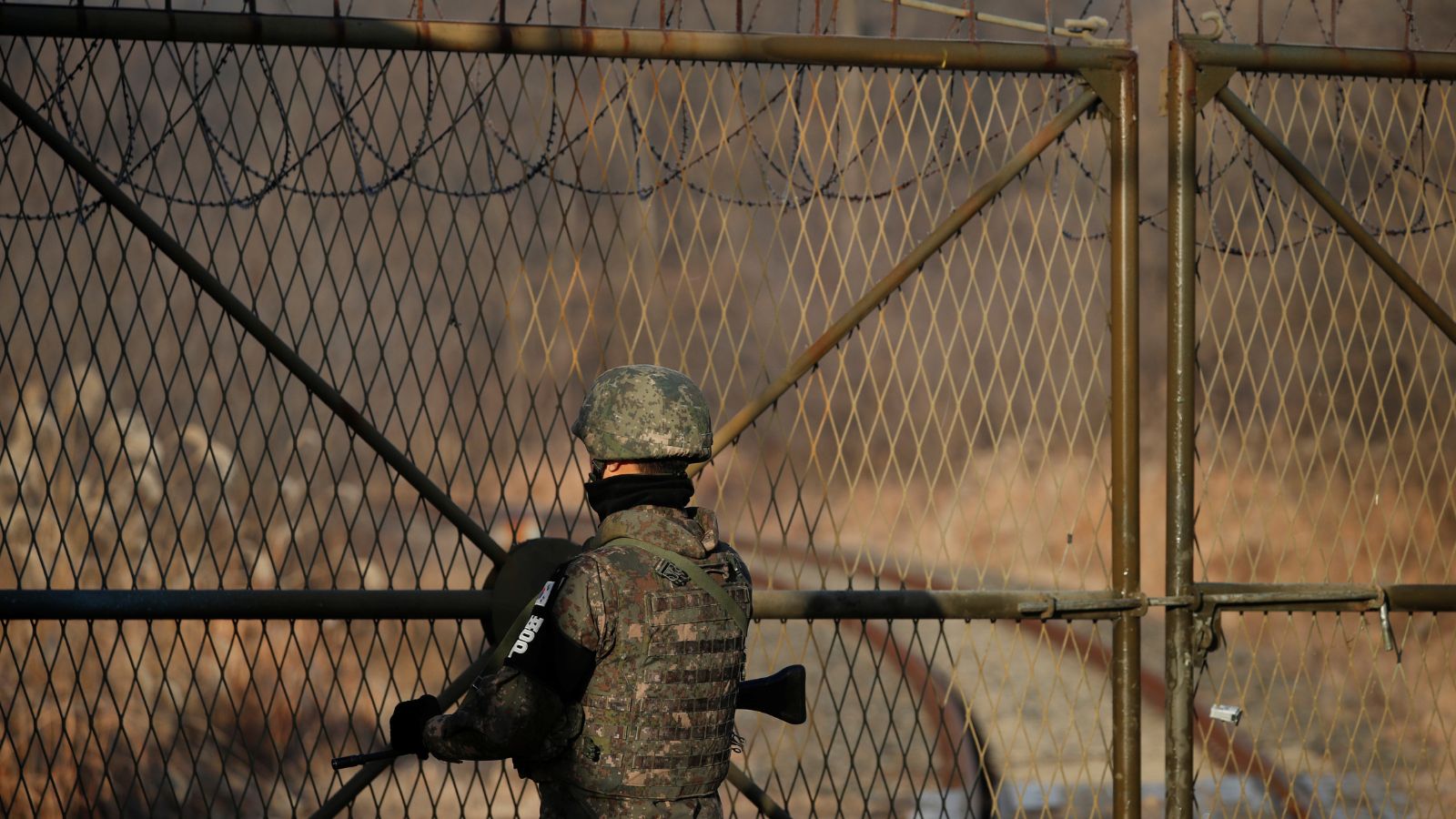
South Korea's Unification Ministry announced it will restart construction on the long-stalled Gyeongwon Line. This railway starts in Seoul and runs toward the heavily fortified Demilitarized Zone. If political winds ever shift dramatically, the track could eventually link up with Wonsan, a major coastal city in North Korea.
Why bother doing this now? Relations are frozen solid. Pyongyang blew up cross-border road and rail links back in 2024, officially labeling its southern neighbor a hostile state. President Lee Jae Myung even admitted that current diplomatic outreach feels like shouting into an echoless void.
Yet, the government is moving forward anyway. Construction on the disconnected domestic section is slated to kick off, with a target completion date set for 2029.
Betting on a Post-Deadlock Future
To understand this decision, you have to look past the immediate headlines. Seoul isn't laying tracks across an active minefield tomorrow. Instead, officials are treating this as domestic infrastructure preparation.
The immediate goals are entirely practical. The project aims to improve public access to peace and ecological tourism zones near the border. It's also designed to inject much-needed economic activity into depressed border regions that have suffered from decades of military tension.
Think of it as building the exit ramp before the traffic jam clears. If diplomatic conditions ever thaw, South Korea wants to be ready rather than spending the first five years of a breakthrough bogged down in environmental assessments and zoning debates.
Repurposing the Money
For years, a massive pool of cash sat idle because of political gridlock. The Inter-Korean Cooperation Fund was built to finance joint projects, humanitarian aid, and cross-border exchanges. Because nuclear tests and missile launches shut down virtually all joint programs after 2016, only about two to three percent of the fund was spent annually over the past decade.
Unification Minister Chung Dong-young laid out plans to rewrite the rules. By broadening the enforcement decree, Seoul wants to redirect that accumulated money toward domestic peace economy initiatives, private reunification studies, and regional border development.
It is a pragmatic pivot. The money stops gathering dust and starts working on domestic preparation.
The Regional Reality Check
While Seoul invests locally, the broader diplomatic picture remains grim. Foreign Minister Cho Hyun recently noted that multilateral talks involving Pyongyang, Beijing, and Washington remain realistically difficult under present circumstances. Even outside mediation attempts, such as past efforts by Indonesia to broker dialogue, have hit a brick wall because North Korea simply refuses to pick up the phone.
Pyongyang has doubled down on isolation. They poured massive resources into building the Wonsan-Kalma coastal tourist zone, a massive beach resort intended to draw international visitors—specifically avoiding economic reliance on the South.
Despite all of this, President Lee insists that peaceful coexistence remains a mandatory long-term objective. Administrations in Seoul change, but the geographic reality of a divided peninsula never moves.
If you want to track where this goes, ignore the daily rhetoric. Watch the budget allocations for border infrastructure and see how fast domestic rail works progress ahead of the 2029 target. That is where actual policy is being written.