Civil unrest across Pakistan-administered Kashmir has escalated sharply, moving outward from Rawalakot into Mirpur following civilian casualties and intense clashes with security forces. Protesters have taken to the streets to demand accountability, economic relief, and an end to heavy-handed crackdowns. The situation reveals deep-seated structural grievances that extend far beyond a single localized incident.
Decades of administrative neglect, soaring inflation, and severe utility price hikes created the dry tinder. A series of confrontations involving local residents, activists, and law enforcement provided the spark. Understanding how economic frustration transformed into mass protests requires looking closely at the intersection of resource distribution, governance models, and public trust.
The Economic Pressure Points Fueling the Unrest
Citizens in the region face crippling utility costs, particularly regarding electricity tariffs. Despite local hydro-electric generation capacity, residents have long contended with high consumer rates and persistent supply irregularities. When energy bills began rivaling monthly household incomes, peaceful demonstrations became inevitable.
The administration initially responded with force rather than structural concessions. Tear gas, baton charges, and internet shutdowns fueled public anger instead of quelling it.
Local Grievances Meet State Response
The friction intensified when security operations resulted in fatalities. In Rawalakot, initial demonstrations against taxation and utility pricing drew thousands. As news of casualties spread, neighboring districts like Mirpur mobilized in solidarity and protest.
- High inflation rates eroded purchasing power across all demographics.
- Subsidized goods remained scarce while administrative overhead expanded.
- Restrictions on public assembly triggered freedom of expression concerns.
Historical Precedents of Regional Friction
Administrative friction in this territory is not an anomaly. For decades, governance structures have operated under unique legal and political frameworks that limit local legislative autonomy on critical economic matters. Budgetary allocations are heavily dependent on federal decisions, creating a disconnect between the rulers and the ruled.
When structural channels for dissent are blocked, public frustration manifests in mass street mobilization. The current cycle follows a predictable historical arc. Economic hardship meets institutional rigidity, leading to spontaneous protests that are met with coercive security measures.
The Breakdown of Social Contracts
A functioning social contract relies on basic state provisions like security, affordable utilities, and economic opportunity. When those elements fail simultaneously, the legitimacy of the administration collapses. Protesters in Mirpur and Rawalakot are challenging the fundamental terms of how the region is administered from outside its immediate borders.
The demand for cheap electricity and subsidized wheat flour evolved quickly into broader political resistance. Activists argue that local resources benefit external populations while local communities bear the environmental and financial costs.
Navigating the Information Blackout
Authorities responded to the growing unrest by restricting telecommunications and internet services across multiple districts. This tactic aims to prevent the coordination of further rallies and suppress the dissemination of real-time footage.
Information vacuums rarely suppress unrest. Instead, they amplify rumors, intensify paranoia, and harden public resolve. Independent journalists and local monitors face severe obstacles in verifying casualty numbers and documenting detentions.
The Ripple Effects Across Neighboring Districts
Unrest in Mirpur carries distinct economic implications due to the demographic profile of the city. A significant portion of the local population maintains financial ties to the diaspora living abroad, particularly in the United Kingdom. When the local economy freezes and civil unrest disrupts daily commerce, the financial shockwaves resonate far beyond the immediate municipal boundaries.
- Commercial hubs remain shuttered under indefinite strikes.
- Transport networks face intermittent blockades and military checkpoints.
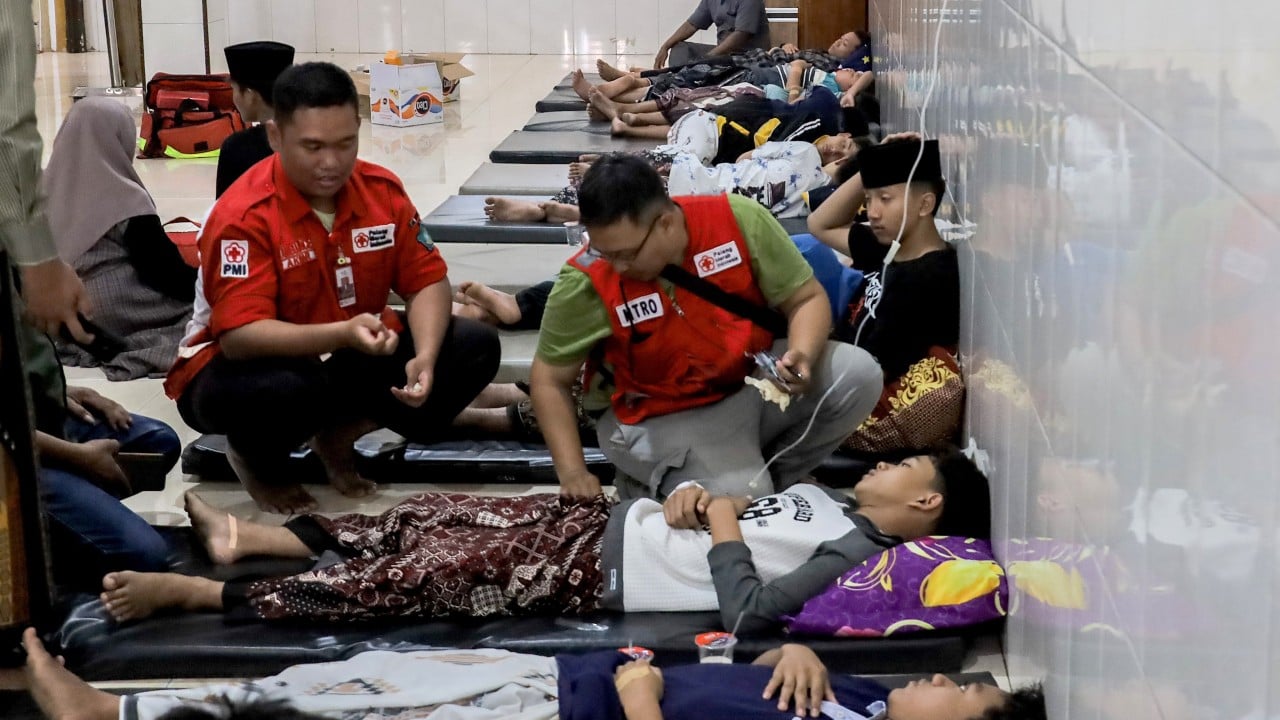
- Medical facilities struggle to cope with the influx of injured civilians.
The Path Forward and Institutional Realities
Resolving the crisis requires more than temporary curfews and deployment reinforcements. Addressing the root causes demands immediate tariff adjustments, transparent investigations into the reported killings, and formal channels for dialogue with community leaders.
Ignoring structural reforms guarantees that the current calm will only be a prelude to the next inevitable explosion of public fury.