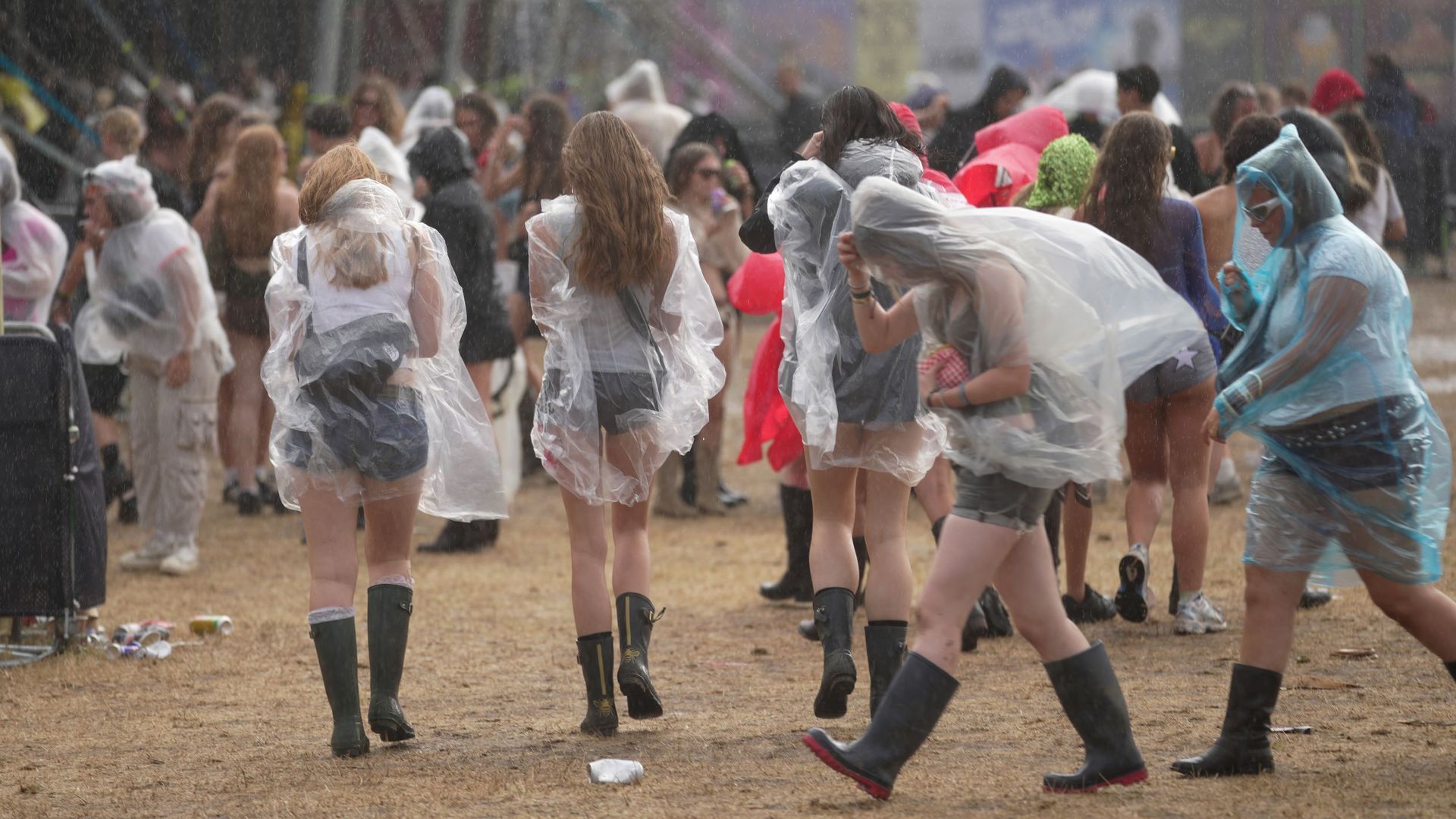
Another weekend, another yellow weather warning from the Met Office. Across sites like Reading, Leeds, and Creamfields, tens of thousands of ticket holders are once again trading their summer wear for heavy-duty wellies as low-pressure systems sweep across the UK. Meteorological alerts warn of localized flooding, torrential downpours, and sudden lightning strikes. Yet these standard weather bulletins obscure a much deeper structural failure plaguing the modern live entertainment industry. The recurring disaster of flooded festival grounds is no longer just a meteorological misfortune. It has transformed into an organizational crisis born of poor site management, inadequate infrastructure, and a stubborn refusal to adapt to shifting climate realities.
The Anatomy of a Campground Collapse
When heavy rain hits a greenfield site, the transformation from packed earth to impassable slurry happens with terrifying speed. Soil compaction caused by heavy foot traffic and early equipment setup destroys natural drainage long before the first headliner takes the stage. Once the topsoil loses its structural integrity, a single afternoon of thundery downpours transforms access roads into quagmires. If you enjoyed this piece, you should check out: this related article.
Promoters routinely point to official warnings as acts of God beyond human control. This defense wears thin after decades of recurring disasters. Soil science and hydrological assessments can map out saturation points days in advance. Organizers who fail to install temporary drainage channels or reinforced tracking membranes are not victims of the skies. They are managers gambling that the clouds will hold off long enough to clear the financial ledger.
Consider a mid-sized greenfield music gathering operating under tight profit margins. Renting heavy-duty aluminum trackways for perimeter access costs tens of thousands of pounds. Many operators choose to roll the dice on traditional plastic mesh flooring instead, which frequently buckles and sinks beneath the weight of heavy production trucks once the mud sets in. The result is a predictable cascade of logistical failures. Supply vehicles get stranded, portable sanitation trucks cannot reach overflowing facilities, and emergency evacuation lanes become entirely compromised. For another angle on this development, see the recent update from Associated Press.
The Human Cost Behind the Gates
The immediate fallout of a rained-out arena extends far beyond damp cardboard tents and ruined footwear. Sanitation collapse remains the most pressing health hazard on site. When ground conditions deteriorate past a certain threshold, servicing traditional portable toilets becomes physically impossible for vacuum tankers. Overflowing waste units merge with the surrounding mud, creating a biological risk profile that few public health authorities adequately scrutinize ahead of licensing renewals.
Ticketing structures further exacerbate the pressure on attendees. With weekend passes routinely climbing past the two-hundred-pound mark, consumers feel compelled to endure appalling campsite conditions rather than forfeit their investment. This economic coercion forces crowds into saturated fields where trench foot, hypothermia risks, and slip-and-fall injuries spike across medical tents.
Event security and medical personnel bear the brunt of these preventable crises. First responders trained in crowd safety find themselves diverted into towing operations and mud extractions. Communications break down as cellular networks overload under the weight of trapped attendees trying to arrange early departures or contact overwhelmed family members.
The Economics of Climate Denialism
Weather volatility in late summer is entirely predictable, yet the British festival industry operates on business models built for a climate that no longer exists. Prolonged dry spells followed by violent, high-volume cloudbursts have become the standard seasonal trajectory. Despite this, capital expenditure on permanent site resilience remains strikingly low.
landowners and agricultural lessors often resist major earthworks that might interfere with post-festival farming operations. Meanwhile, corporate promoters operating on short-term site leases see little incentive to invest in sub-surface drainage improvements for fields they might not even use next year. This friction between long-term environmental adaptation and short-term corporate extraction leaves the consumer exposed to every swing of the jet stream.
Insurance markets are beginning to tighten the screws. Premiums for event cancellation and adverse weather disruption have surged, forcing some smaller independent operators into insolvency before the gates even open. The survivors pass these costs down to the consumer while simultaneously cutting corners on ground infrastructure.
Beyond the Yellow Warning
Treating a weekend washout as a routine news item misses the structural rot eating away at the festival sector. Meteorological agencies provide the data, but event organizers provide the vulnerability. Until local authorities tie event licensing directly to mandatory soil management plans and permanent drainage infrastructure, festivalgoers will continue to wade through preventable misery. The clouds may be gathering courtesy of an Atlantic low-pressure system, but the disaster unfolding below is entirely man-made.