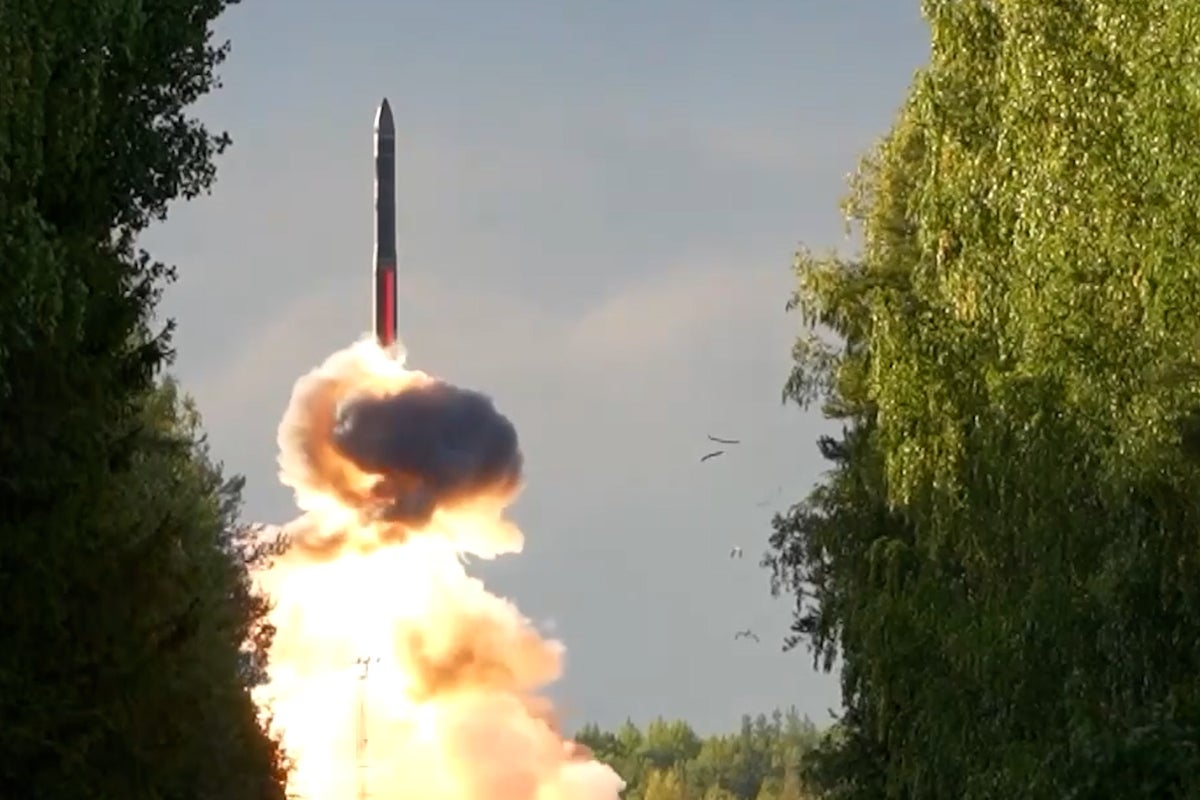
The headlines scream about nuclear-capable hardware crossing continents, timed neatly with intelligence visits, as if geopolitics operates on a cinematic script written for maximum panic. Every time Moscow tests a high-end delivery system or adjusts a doctrine, the commentariat treats it as a fresh inflection point. It is not. It is noise. The lazy consensus in foreign policy reporting assumes that every escalation in hardware equals a strategic shift in capability. That assumption is dead wrong.
Let us look at the actual mechanics of modern deterrence. I have watched analysts hyperventilate over missile range specifications for years, ignoring the fundamental rule of statecraft: hardware is cheap, doctrine is rigid, and political will is scarce. The recent chatter surrounding nuclear-capable systems reaching American shores relies on a fundamental misunderstanding of how mutually assured destruction actually functions. Range does not equal utility. A missile that can hit a target five thousand miles away has the exact same deterrent value as one that can hit it at five hundred miles, provided the delivery platform survives the initial exchange.
The Myth Of The Escalation Ladder
We love to draw neat little steps on a chalkboard and call them escalation ladders. Step one, conventional skirmish. Step two, tactical warning. Step three, strategic deployment. Real conflict does not climb stairs; it trips down a flight of concrete steps in the dark.
When the media fixates on a specific missile test occurring days after a high-level intelligence briefing, they are buying into theatrical choreography. Intelligence chiefs do not fly into foreign capitals to negotiate missile strikes in real-time. Those visits are about red lines, back-channel signaling, and managing the friction points of proxy warfare. Connecting a hardware test to a diplomatic itinerary is a narrative convenience designed to sell clicks, not an accurate reflection of command-and-control timelines.
Consider the technical reality. Intercontinental ballistic systems and intermediate-range platforms are mature technologies. Testing them is routine maintenance wrapped in political messaging. The fact that a missile is nuclear-capable matters very little when both superpowers possess arsenals capable of ending human civilization multiple times over. Adding one more delivery vehicle to a stockpile of thousands changes the calculus by precisely zero percent.
Why The Warning Labels Are Wrong
We are told to fear the unpredictable. The mainstream narrative paints Russian decision-making as erratic, driven by desperation or bravado. This is dangerous hand-wringing. Moscow operates on a calculated, defensive doctrine that views Western encroachment through NATO expansion as an existential threat. You do not have to agree with their premise to understand their logic.
When a state feels cornered, it does not lash out randomly with advanced strategic assets; it digs in and relies on asymmetric friction. The deployment or testing of a high-profile missile system is domestic signaling masquerading as foreign intimidation. It tells the home audience that the state remains technologically competitive despite sweeping economic sanctions.
The real danger in the current discourse is not that Moscow will launch a preemptive strike on the United States mainland. That scenario remains suicidal and completely divorced from any stated strategic objective. The danger is that Western policymakers will misread their own press releases, treat routine posturing as an imminent attack, and stumble into an accidental escalation out of an abundance of manufactured panic.
Dismantling The Threat Matrix
Let us look at the actual mechanics of what happens when these missiles clear test ranges.
- The Telemetry Trap: Testing requires telemetry data. Launching toward remote impact zones is a mechanical necessity for R&D, not a combat rehearsal.
- The Response Threshold: Strategic command centers track every ignition across the globe within seconds. A test launch does not trigger a launch-on-warning protocol because radar signatures clearly distinguish between testing profiles and combat profiles.
- The Economic Reality: Building and maintaining these platforms drains resources. Every flashy test represents capital diverted from conventional logistics—logistics that are desperately needed on actual frontlines.
We spend billions tracking hardware while ignoring the economic and social friction rotting the foundations of both sides. A missile sitting in a silo cannot stop currency inflation, secure supply chains, or solve demographic collapses.
The Uncomfortable Truth About Deterrence
Here is the part nobody in the defense analysis space wants to admit: deterrence is remarkably resilient, precisely because the cost of failure is absolute. Neither Washington nor Moscow wants a direct kinetic exchange. The proxy conflicts, the cyber skirmishes, the missile tests, and the diplomatic theater are all safety valves designed to let steam off without blowing up the boiler.
When an intelligence chief visits a capital, they are checking the pressure gauge. When a missile is test-fired the following week, the other side reads the pressure gauge. The public, fed by breathless media coverage, mistakes the hiss of the valve for an impending explosion.
Stop looking at the range rings on missile maps. Stop treating every diplomatic handshake and subsequent weapon test as a countdown to midnight. The architecture of global stability is far more cynical, and far more boring, than the headlines suggest. It is a grim, bureaucratic dance of accountants and generals who know that once the button is pushed, the spreadsheets no longer matter. Until then, the noise is just noise.
Ignore the hardware. Watch the balance sheets.