Flames do not care about administrative boundaries, municipal bureaucracy, or the illusion of urban safety. When a major wildfire tore through the Mamak district on the eastern outskirts of Ankara, it dragged a harsh, uncomfortable truth back into the national spotlight: Turkey's capital is increasingly vulnerable to the very brand of dry-season combustion that usually plagues its coastal provinces.
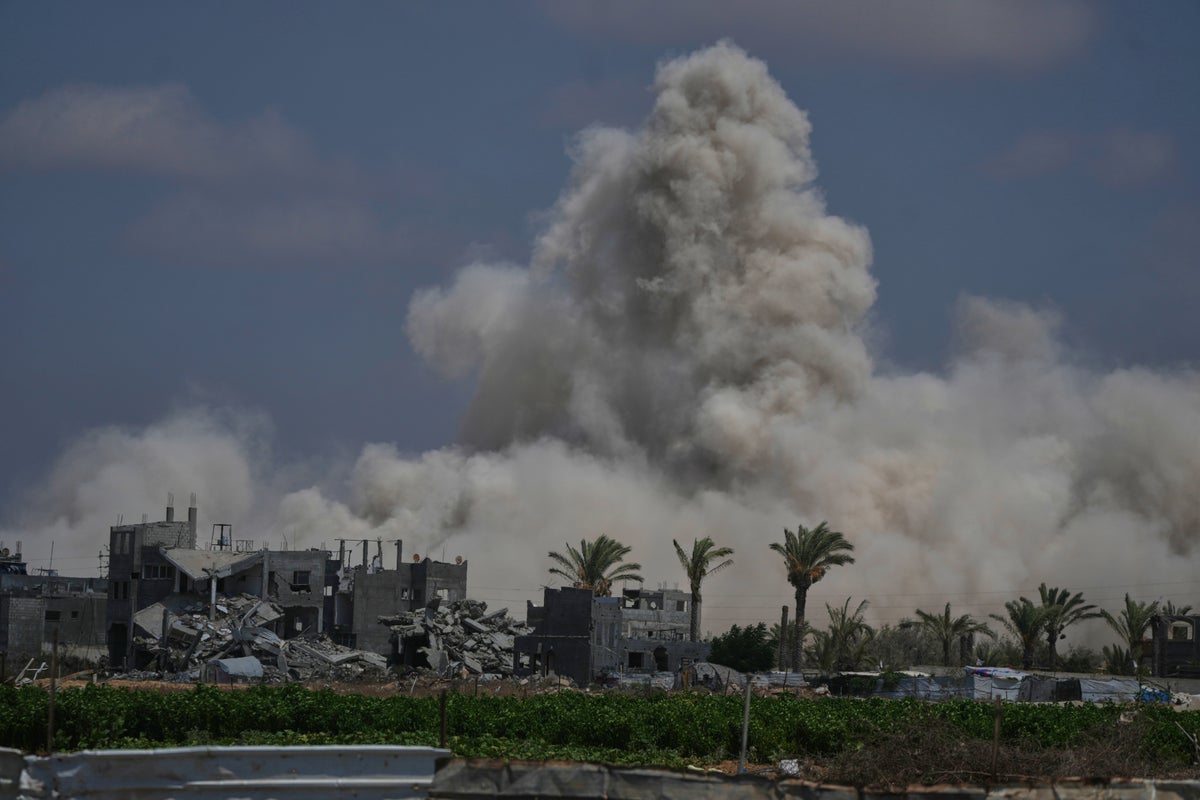
The fire broke out on a Sunday evening in a wooded zone along the Hüseyingazi Türbe Road in the Başak Neighborhood, quickly chewing through dry brush and climbing toward residential peripheries. For eight hours, 148 personnel, 47 vehicles, municipal tankers, and heavy machinery fought a desperate containment battle before the blaze was brought under control. Yet, beneath the operational relief of cooling operations lies a deeper administrative and environmental failure. Metropolitan expansion has collided head-on with worsening climatic extremes, creating a tinderbox at the edges of major cities that regional emergency frameworks are scrambling to manage.
The Urban-Wildland Collision
Cities grow outward because they must. Geography dictates that expansion eats into surrounding scrubland and forested hillsides, particularly in a sprawling metropolis like Ankara.
Where the concrete ends, dry vegetation begins. This boundary line, known to disaster planners as the wildland-urban interface, is where planning failures turn into catastrophes. In Mamak, the fire's proximity to residential pockets and outlying neighborhoods triggered immediate panic. Residents watched orange light bleed into the evening sky as wind pushed the front forward.
Municipal responses are typically measured in response times and vehicle deployments. Ankara Mayor Mansur Yavaş mobilized dozens of units, but heavy deployment after the fact exposes a glaring structural flaw. Response is not prevention. When decades of rural migration and unchecked municipal zoning push housing developments directly against unmanaged, dry woodlands, every summer heatwave becomes a loaded weapon.
Accountability and the Arson Paradox
In the immediate aftermath of the Mamak fire, the Ankara governor's office announced a swift detention. One individual was taken into custody on suspicion of starting the blaze, aligning with a broader national pattern.
Justice Ministry figures reveal an aggressive legal posture across the country. Since June, authorities have opened proceedings over dozens of forest fires across multiple provinces, netting dozens of arrests and judicial supervision orders. Pointing to a human perpetrator provides a neat narrative arc for public consumption. It allows authorities to assign blame to negligence or malice.
Yet, treating every major wildfire primarily as a criminal justice issue masks a more systemic vulnerability. Human error or arson only creates a catastrophe when the environment is primed to burn. Years of persistent drought, low relative humidity, and bone-dry underbrush mean that a single discarded cigarette or stray spark can transform into an unstoppable wall of fire. Focusing entirely on the suspect in handcuffs ignores the systemic neglect of forest floor management and the absence of adequate buffer zones around residential districts.
The Regional Strain on Emergency Resources
Ankara does not exist in a vacuum. The fire broke out while regional emergency networks were already stretched thin by a punishing wildfire season across the region.
When multiple provinces battle simultaneous emergencies, the distribution of aerial support, specialized personnel, and heavy equipment becomes a zero-sum game. Local municipalities are left to rely heavily on ground crews, municipal water tankers, and local earthmovers. While these ground assets managed to ring-fence the Mamak blaze after an overnight struggle, the margin for error was razor-thin.
Consider a hypothetical scenario where two major fires erupt on opposite sides of a capital city during a severe heat dome. Centralized aviation assets cannot be everywhere at once. Ground-based firefighters are left to make impossible choices about which neighborhoods to defend first based on tactical triage rather than comprehensive coverage.
The Cost of Reactive Governance
Turkey's administrative apparatus remains intensely reactive. Billions are spent annually on post-disaster recovery, reforestation pledges, and emergency deployments.
Little equivalent political capital or funding goes into mandatory urban clearance policies, rigorous zoning restrictions near high-risk forests, or systematic controlled burns during cooler months to reduce fuel loads. The political incentive structure rewards leaders who are photographed standing in disaster zones handing out relief packages, rather than politicians who spend quietly on preventative brush clearing that prevents a fire from ever making headlines.
As climate anomalies lengthen the traditional fire season well into the autumn months, the capital's eastern doorstep serves as a warning. The Mamak fire was contained before it claimed homes or lives, but luck is not an infrastructure strategy. Until urban planning policy treats the wildland-urban interface as a permanent security risk rather than a secondary zoning concern, Ankara will remain one hot, windy afternoon away from a far worse disaster.