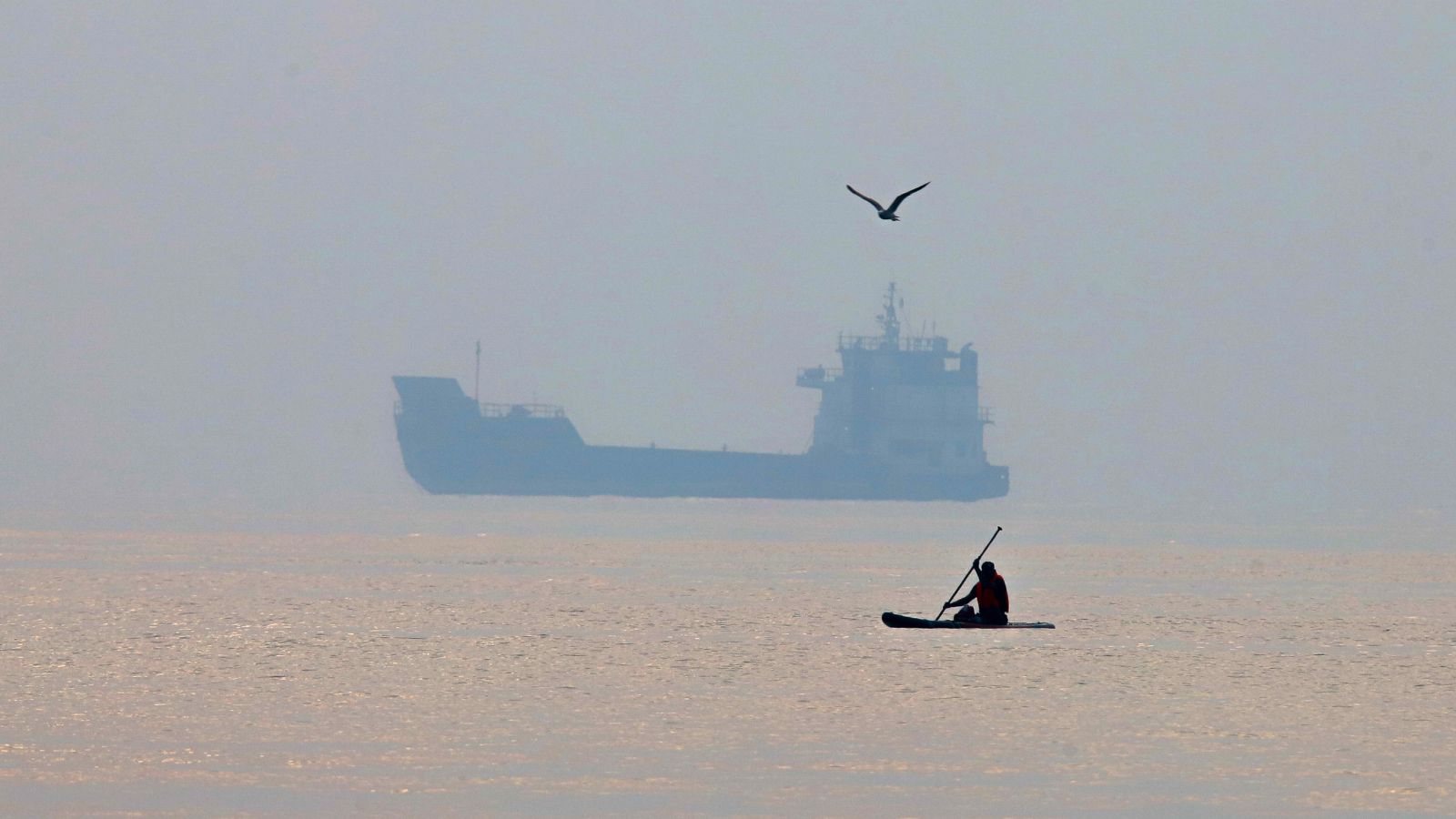
Commercial shipping lanes aren't supposed to look like war zones. But over the last several months, the Black Sea has transformed into a high-stakes shooting gallery where civilian cargo vessels catch the crossfire of an unrelenting geopolitical conflict. When merchant ships hauling vital commodities suddenly find themselves under fire, the shockwaves don't stay confined to regional waters. They ripple across global supply chains, spike insurance premiums, and force major economic players to pick a diplomatic side.
New Delhi recently stepped into the fray, sounding the alarm and demanding an immediate de-escalation of hostilities. India's intervention isn't born out of abstract pacifism. It is a calculated, urgent response to direct threats against international maritime law, Indian crew members, and the smooth flow of critical energy and agricultural imports.
Let's break down why this escalation matters so much right now, what is actually happening beneath the surface of the headlines, and why global powers can no longer afford to treat maritime security in the Black Sea as someone else's problem.
The Reality of the Black Sea Threat Zone
Maritime transit through the Black Sea has always required precise navigation and adherence to international protocols. Today, it requires sheer luck. The ongoing conflict has turned strategic grain and fuel corridors into volatile sectors where commercial vessels face drifting naval mines, aerial drone strikes, and missile attacks.
Insurance companies have labeled the entire region a high-risk war zone. Underwriters are demanding astronomical premiums just to insure a voyage out of Ukrainian or Russian ports. For shipowners, a single transit can mean the difference between a profitable voyage and total hull loss.
When merchant vessels get hit, the human cost is immediate. Crew members who signed up for standard commercial shipping find themselves dodging explosions far from home. India's call for de-escalation stems directly from these grim realities. Hundreds of Indian sailors work across these fleets, keeping global trade alive while risking their lives in contested waters. Protecting them means pressuring regional combatants to respect civilian neutrality.
Why India Cares About European Waters
Some critics wonder why a South Asian powerhouse is sticking its neck out over a European maritime dispute. The answer comes down to pure economics and energy security.
Modern trade doesn't happen in a vacuum. When Black Sea ports lock down or grain shipments stall, food prices spike from Mumbai to Nairobi. India relies heavily on stable international trade routes to sustain its domestic growth and manage inflation. Disruptions in the Black Sea send immediate shockwaves through global commodity markets, impacting everything from fertilizer costs to sunflower oil supplies.
Furthermore, India maintains a foreign policy stance centered on strategic autonomy. By calling loudly for de-escalation, New Delhi signals that violations of international maritime law affect the entire global community, not just the nations directly involved in the fighting. It is a warning to aggressive actors everywhere that tampering with civilian shipping lanes invites universal condemnation.
The Breakdown of Maritime Law
Historically, the Geneva Conventions and customary international law provided a protective bubble around commercial shipping. Merchant vessels were treated as non-combatants. Attacking them was considered a serious violation of international norms.
That protective bubble has ruptured.
When dual-use infrastructure gets targeted, the line between military assets and commercial cargo blurs dangerously. Combatants argue that grain ships or oil tankers might be concealing military intelligence or logistics support. Without independent verification or neutral maritime corridors, suspicion replaces safety.
This erosion of international rules sets a terrifying precedent. If major nations accept that merchant ships can be fired upon during regional conflicts, the safety of global commerce collapses. Every narrow strait, from the Red Sea to the Malacca Strait, becomes a potential flashpoint where civilian crews are treated as fair game.
What Needs to Happen Now
Writing strong diplomatic statements won't stop a incoming missile. Real de-escalation requires enforceable ground rules between the warring parties.
First, the international community must establish guaranteed safe corridors for grain, fertilizer, and general cargo vessels. These lanes must be monitored by truly neutral third parties to verify that commercial ships are carrying only civilian goods.
Second, insurance and shipping conglomerates need better risk-sharing mechanisms backed by major economies to keep trade moving without bankrupting operators. When trade stops, everyone loses.
Finally, nations like India must keep turning up the diplomatic heat. Silence equals complicity. By demanding restraint and accountability, external powers remind regional combatants that the world is watching their actions at sea.
The Black Sea cannot remain an unchecked zone of destruction. The safety of global supply chains and the lives of thousands of civilian sailors depend entirely on whether world leaders can force a return to basic maritime sanity.