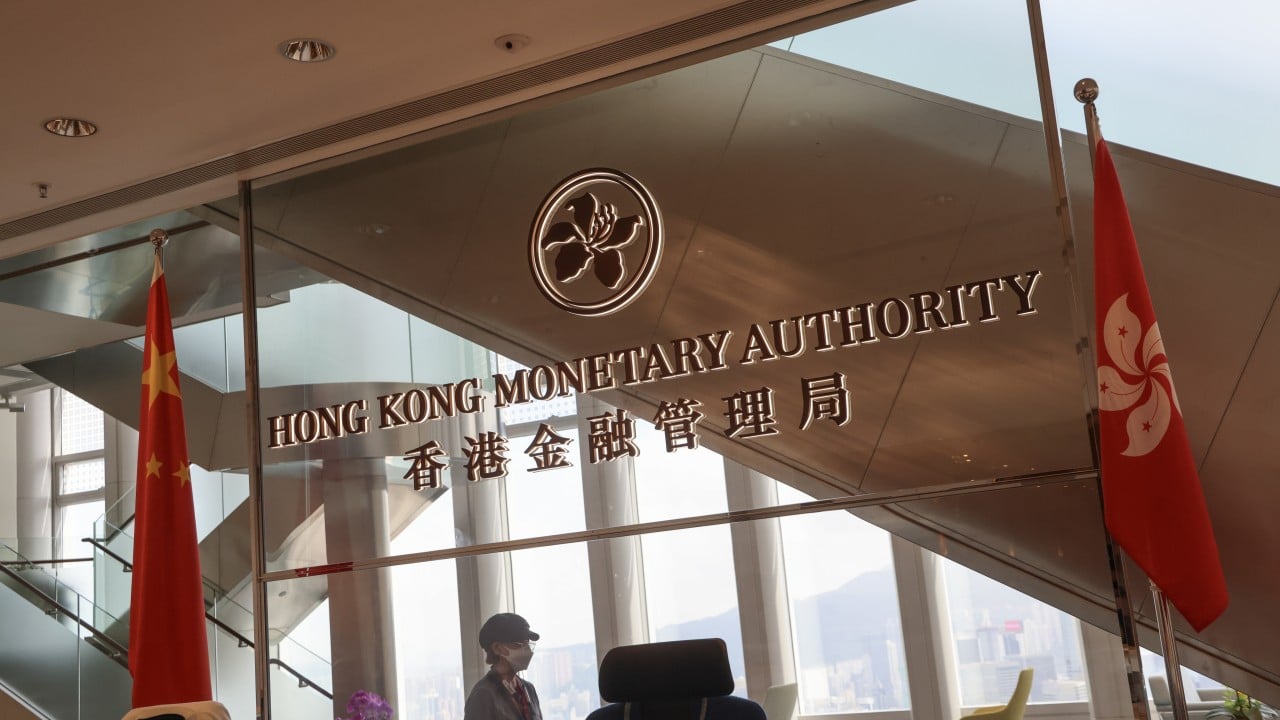
The Hong Kong Exchange Fund just posted its smallest quarterly gain in over a year. If you follow the money in Asia, that's not just a boring stat on a spreadsheet. It’s a massive red flag about how geopolitical chaos actually hits your wallet. While everyone talks about the "Middle East crisis" as a tragedy or a political mess, the HKMA (Hong Kong Monetary Authority) is seeing it as a direct threat to the city's financial cushion.
The fund’s investment income dropped to HK$27.3 billion for the first quarter of 2024. That sounds like a lot of money until you realize it’s a 75% plunge compared to the previous quarter. It’s the weakest performance we've seen in five quarters. The reason is pretty straightforward. High interest rates are sticking around longer than anyone hoped, and the chaos in the Middle East is making markets nervous. When markets get nervous, they get volatile. When they get volatile, the Exchange Fund—the literal backbone of the Hong Kong dollar—starts to sweat.
The Reality of Bond Market Bruises
Most people think of the Exchange Fund as a giant pile of cash. It isn’t. It’s a sophisticated portfolio heavily weighted toward bonds. Usually, bonds are the "safe" part of the room. But when inflation stays high and the US Federal Reserve keeps hinting that rate cuts are a distant dream, bond prices tank.
During this last quarter, the fund actually lost HK$2.4 billion on its bond holdings. That’s a sharp reversal from the HK$43.9 billion gain in the previous quarter. It’s a classic trap. You hold bonds to protect against stock market crashes, but when interest rates stay high, those bonds lose value. The HKMA is essentially stuck between a rock and a hard place. They need the yields, but the capital depreciation is killing the quarterly numbers.
It's easy to blame "market conditions," but the reality is that the HKMA is fighting a defensive war. They can't just dump bonds and go all-in on tech stocks. They have a mandate to keep the Hong Kong dollar stable. That means they have to eat these losses while waiting for the Fed to finally pivot. If you're looking for a lesson here, it's that even the most "conservative" portfolios aren't safe when the global interest rate cycle stays stuck in high gear.
Geopolitics Is No Longer a Sidebar
We used to treat "geopolitical risk" as a footnote in financial reports. Not anymore. The conflict in the Middle East has moved from a human rights crisis to a central bank headache. Oil prices are the obvious link, but the deeper issue is the uncertainty it injects into global trade.
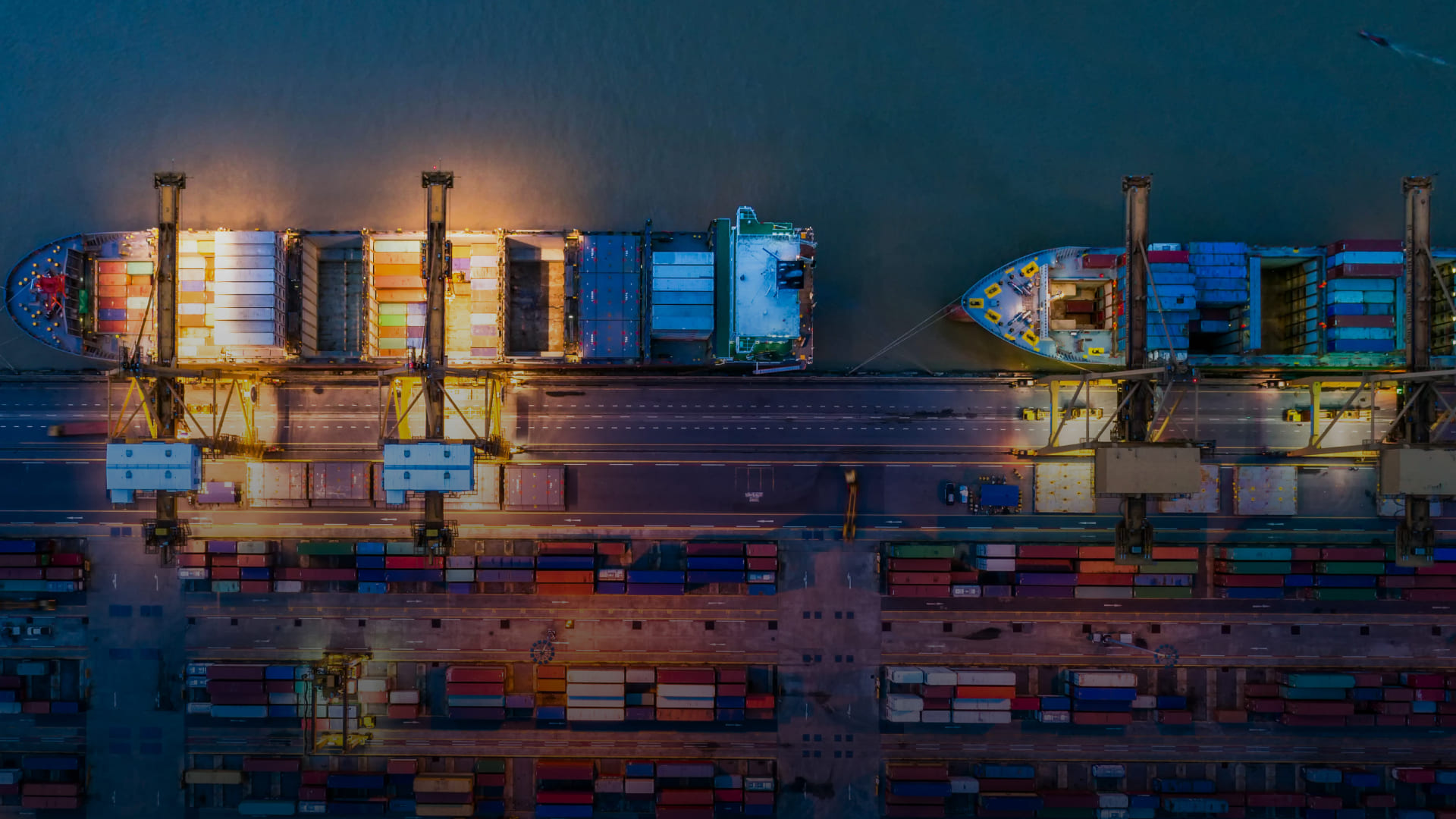
When a drone strike happens or a shipping lane in the Red Sea gets blocked, risk premiums go up. Investors pull back from "risky" assets. Hong Kong, being an open economy with a currency pegged to the US dollar, catches every sneeze from Washington and every cough from the Middle East. The Exchange Fund’s equity investments reflected this. While US stocks did okay, the overall sentiment was dampened by the fear of a wider war.
Eddie Yue, the chief of the HKMA, has been pretty blunt about this. He’s warned that the "higher for longer" interest rate environment combined with geopolitical tensions creates a "trilemma" for fund managers. You want growth, you need liquidity, but you can’t afford the risk. Right now, the Exchange Fund is sacrificing growth to ensure that if a real global meltdown happens, the HK dollar won't collapse.
The Equity Divergence Problem
Hong Kong’s own stock market hasn’t exactly been a star performer lately. While the S&P 500 was hitting record highs earlier in the year, the Hang Seng Index was struggling to find its footing. The Exchange Fund recorded a gain of HK$4.8 billion on Hong Kong equities, which is a bit of a recovery, but it’s still modest.
Compare that to the HK$36.3 billion gain from other foreign equities. There's a massive gap here. The fund is basically being propped up by US and international stocks while its home turf drags it down. This is a tough pill to swallow for a local institution. It shows just how much the "China discount" is affecting local valuations. Investors are wary of the regulatory environment and the slowing growth in the mainland, and that wariness shows up directly in the Exchange Fund’s bottom line.
Managing Your Own Risk in a Volatile Era
What does this mean for you? If the smartest guys in the room at the HKMA are struggling to squeeze out a decent gain, you probably shouldn't be overleveraged in volatile assets. The era of "easy money" is over. We’re in a "grind" era where every percentage point of return is fought for.
The Exchange Fund's strategy of diversifying into "Other Assets"—which includes private equity and real estate—brought in HK$17.1 billion. This is the secret sauce. While bonds and stocks were swinging wildly, these long-term, less liquid investments provided a floor. For the average person, this is a reminder that diversification isn't just a buzzword. It’s a survival tactic.
Stop looking for the next "moon shot." Look at how you're hedged against inflation and interest rate hikes. If the Fed doesn't cut rates by the end of the year, the next few quarters for the Exchange Fund—and likely your own portfolio—could look even leaner.
The Path Forward
The HKMA isn't going to change its strategy overnight. They'll keep holding those bonds and waiting for the cycle to turn. But they're also looking deeper into "green" investments and alternative assets to offset the volatility of the public markets.
Watch the oil prices. Watch the 10-year Treasury yield. Those two numbers will tell you more about the future of Hong Kong's financial stability than any government press release. If oil stays above $85 and the 10-year yield stays above 4.5%, expect the Exchange Fund to keep posting these "smallest gains" for a while.
The best move right now is to stay liquid. Don't lock yourself into long-term bets that rely on rates dropping significantly this year. The market has already priced in a lot of optimism that might not actually happen. Be like the HKMA: prioritize stability over flashy returns until the geopolitical dust settles.
Keep a close eye on the HKMA’s monthly disclosure of the Exchange Fund’s analytical accounts. It’s the most transparent way to see if they’re shifting their weight. If you see a sudden increase in "Other Assets," you’ll know they’re doubling down on the long game because the short-term outlook is just too messy to bet on.
Avoid the urge to "buy the dip" in Hong Kong equities unless you have a five-year horizon. The correlation between Middle East tensions and global risk appetite is currently too strong to ignore. If things escalate, the first place investors pull money from is emerging and satellite markets like Hong Kong. Stay cautious, stay diversified, and keep your expectations grounded. The days of 20% annual gains are in the rearview mirror for now.