The lights in the evening train from Brussels to Frankfurt always flicker with a certain rhythmic exhaustion. Out the window, the sprawling industrial heartlands of the Rhine pass by in a blur of gray steel and brick. For decades, this view was a promise. It was the visual manifestation of a social contract that worked: we provide the cheap energy, we build the high-end machines, we sell them to the world, and in return, everyone gets a comfortable life, a long vacation, and a dignified retirement.
But if you look closer at those factories, the rust isn’t just on the surface. It is in the soul of the strategy.
Recently, Joachim Nagel, the president of Germany’s Bundesbank, dropped a rhetorical hammer into the quiet halls of European finance. He suggested that Europe has been "naive." That word is a jagged pill to swallow for a continent that prides itself on being the sophisticated adult in the global room. To be naive is to be a child. To be naive is to walk into a storm without a coat because you’ve convinced yourself the sun is always shining behind the clouds.
The reality is colder. Europe is currently clinging to an economic model that is essentially a vintage car: beautiful to look at, deeply nostalgic, but increasingly incapable of keeping up with the electric, AI-driven sprinters of the modern age.
The Ghost of 20th Century Comfort
Consider a hypothetical engineer named Thomas. Thomas lives in Stuttgart. He is brilliant. He understands the physics of internal combustion better than almost anyone on the planet. For forty years, Thomas’s expertise was the gold standard of global trade. But today, the value of his knowledge is depreciating faster than a used sedan. The world no longer needs the most intricate piston; it needs the most efficient battery and the most intuitive software.
Europe spent the last twenty years perfecting the past. While the United States poured capital into the intangible—software, data, the digital ether—and China aggressively seized the means of green production, Europe doubled down on its legacy. We leaned into cheap Russian gas to fuel our heavy industries and relied on an open global market that we assumed would always play by the rules we helped write.
We were wrong.
The geopolitical tectonic plates have shifted. The "peace dividend" that followed the Cold War has been spent. Energy is no longer a cheap commodity; it is a weapon. Trade is no longer just a way to grow the pie; it is a tool for national security.
The Weight of the Invisible Anchor
Why is it so hard to change? It isn’t for lack of intelligence. It is the weight of our own success.
When you have built the world’s most robust social safety nets and the most stable middle class, the prospect of "disruptive innovation" sounds less like an opportunity and more like a threat. In Silicon Valley, failure is a badge of honor. In Paris or Berlin, failure is a catastrophe. This cultural allergy to risk is the invisible anchor dragging behind the European ship.
Investment in Europe is currently a story of missed connections. There is plenty of wealth, but it is timid. It hides in savings accounts and government bonds rather than flowing into the high-risk, high-reward ventures that define the 21st century.
Nagel’s critique isn't just about spreadsheets or interest rates. It’s about the fundamental way we perceive our place in the world. We have behaved like a wealthy heir who believes the family fortune will last forever, even as the mansion’s roof begins to leak.
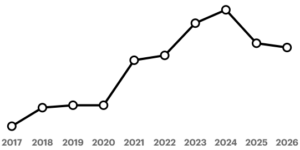
The gap is widening. It isn't just a line on a chart; it is the difference between a society that can afford to cure diseases and one that has to ration healthcare. It is the difference between a continent that attracts the best minds and one that watches them pack their bags for San Francisco or Shenzhen.
The High Price of Hesitation
The stakes are human. If the economic engine stalls, the social contract shreds.
We see it in the rising political volatility across the continent. When growth disappears, people stop looking toward a shared future and start fighting over a shrinking present. The nostalgia that keeps us tethered to an old economic model is the same nostalgia that fuels populism. If we cannot offer a vision of a prosperous tomorrow, people will start voting for a curated version of yesterday.
The "naive" tag stems from our belief that we could be a global regulatory superpower without being a global industrial superpower. We thought we could set the rules for the world's technology without actually building the technology. It was a clever trick while it lasted, but the world has stopped listening to the referee when the referee isn't even in the game.
Breaking the Glass Case
Transformation is painful. It requires us to admit that some of our most cherished certainties are now liabilities.
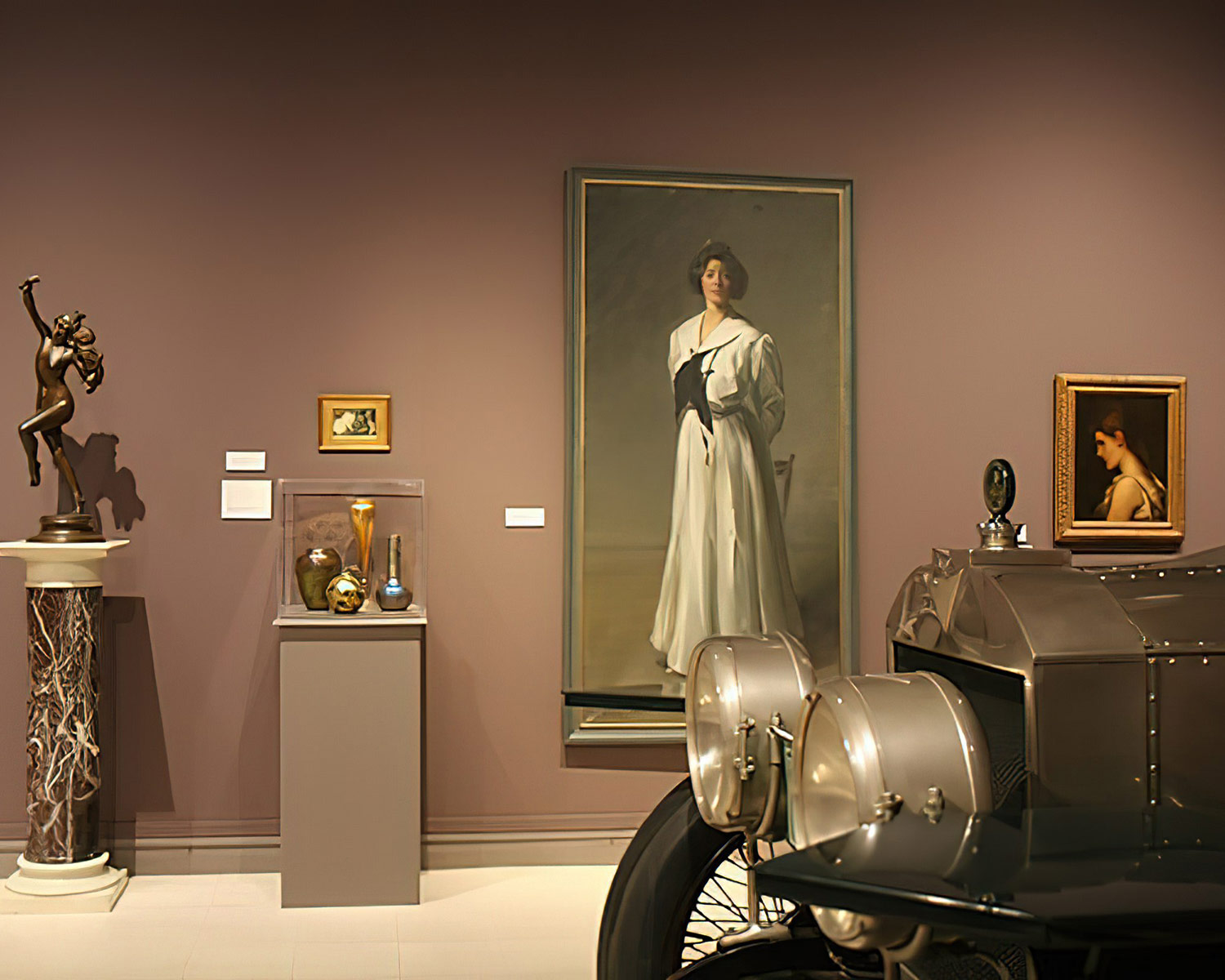
It means realizing that the "old model" wasn't just a way of doing business; it was a way of being. To move forward, Europe has to stop acting like a museum of its own greatest hits. We have to stop protecting the companies of the 1950s and start creating the conditions for the giants of the 2050s.
This requires a radical shift in how we handle capital. We need a unified capital markets union that allows money to flow across borders as easily as people do. We need to stop fearing the "creative destruction" that Joseph Schumpeter—one of our own—warned was necessary for progress.
The wind outside the train window is picking up. The factories are still there, humming in the dark, but the hum sounds different now. It sounds like a warning.
We are standing in a magnificent, gilded hall, surrounded by the trophies of our ancestors. The air is still. The doors are heavy. But the foundation is vibrating. The choice isn't whether to leave the room; the choice is whether we walk out under our own power or wait for the walls to finally give way.
The sun is setting on the old model, and the shadows it casts are long, cold, and honest.