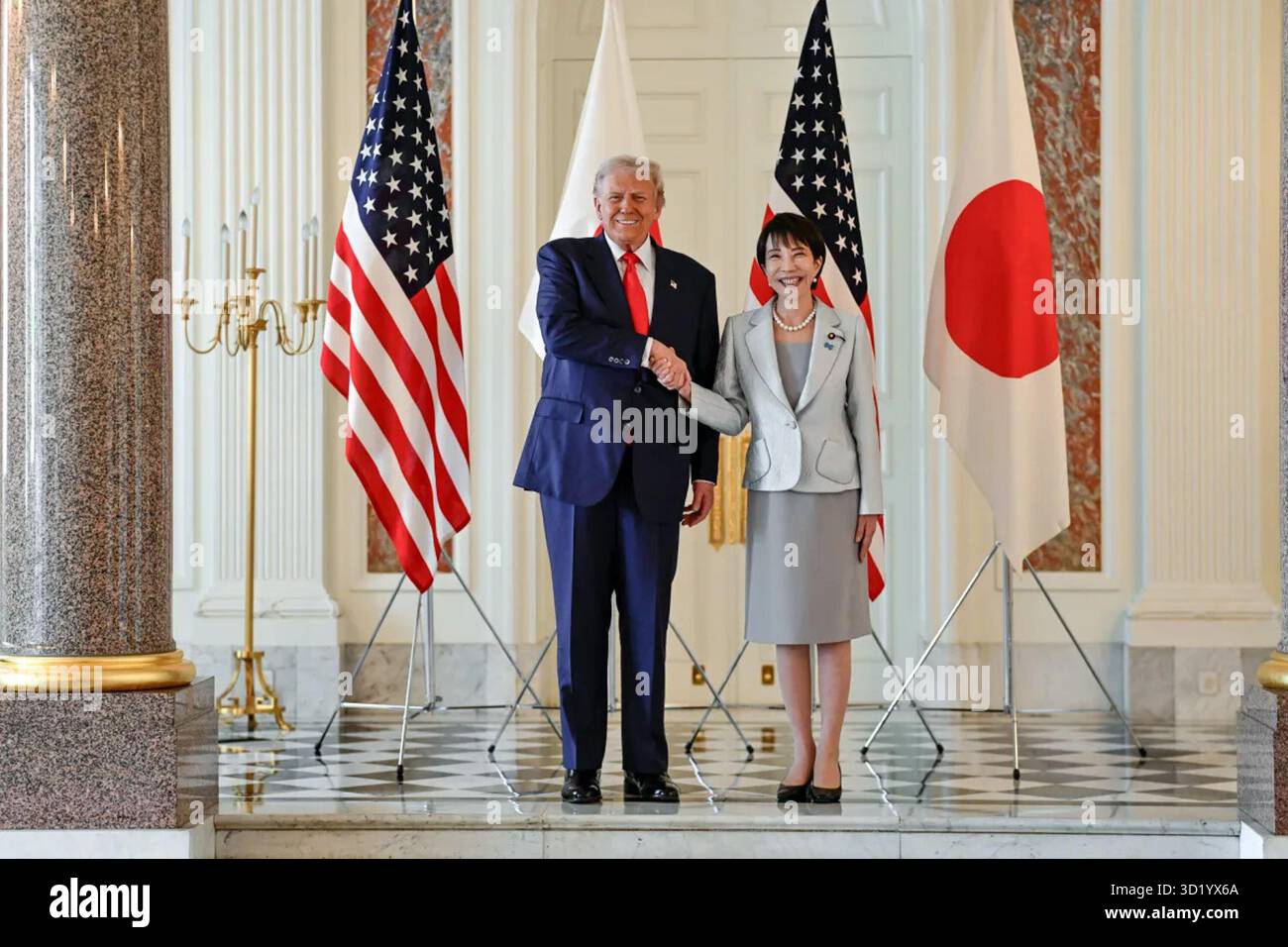
Diplomatic rhetoric loves a tragedy. It feeds on it. When the Iranian envoy declares that "surrender is not an option" for Palestine, the international community nods along to a familiar, exhausting script. It sounds noble. It sounds defiant.
It is also an absolute fantasy.
The lazy consensus dominating global headlines treats geopolitical resistance as a moral math problem. The equation they sell you is simple: infinite defiance equals inevitable justice. But international relations do not operate on moral merit. They operate on leverage, kinetic capability, and cold, hard calculus. Hanging a population’s survival on the abstract concept of "eternal resistance" is not a strategy. It is a slow-motion catastrophe masquerading as principle.
We need to stop viewing regional conflicts through the sanitized lens of diplomatic press releases. The hard truth nobody wants to say out loud is that "no surrender" is a luxury reserved exclusively for those who do not live in the crosshairs.
The Proxy Trap: Who Actually Pays for Eternal Defiance?
When an envoy speaks from the safety of a diplomatic mission, words are cheap. The cost of those words is paid in a entirely different currency by people on the ground.
Let’s dismantle the mechanics of modern proxy conflicts. For decades, regional powers have used the rhetoric of absolute resistance to maintain strategic depth without ever risking their own sovereign territory. This is not statecraft; it is risk outsourcing. By insisting that compromise is synonymous with defeat, external actors ensure that a conflict remains frozen in its most destructive state.
Consider how regional alignment actually functions. State actors fund, arm, and cheerlead non-state entities to keep their primary adversaries bogged down in asymmetric warfare. The overarching goal is rarely a definitive victory. Victory would mean the end of the leverage. The goal is perpetual friction.
When you look at the raw data of modern asymmetric conflicts over the last fifty years, a brutal pattern emerges. Guerrilla movements and resistance factions backed by foreign powers rarely achieve their stated territorial goals unless the patron state is willing to engage in direct, conventional warfare. Absent that commitment, the patron state is merely purchasing geopolitical time with local lives.
The Myth of Symmetric Resolve
The fundamental error in the "surrender is not an option" doctrine is the miscalculation of asymmetric resolve. Academics often argue that the side with the greater willpower can outlast a technologically superior adversary. This logic worked in the mid-20th century during the decolonization wave. It does not work today.
Modern military dominance is no longer just about troop counts; it is about automated surveillance, total airspace control, and economic insulation. An occupying or adversarial force with a highly developed economy can absorb the costs of low-level asymmetry indefinitely. Expecting a besieged population to out-endure a state backed by global capital markets is a fundamental misunderstanding of economic endurance.
Imagine a scenario where a local economy is completely decoupled from global trade, relying entirely on smuggling networks and fluctuating foreign aid. Now compare that to an adversary integrated into global tech, finance, and defense supply chains. The timeline for exhaustion is wildly unequal. The narrative of infinite endurance is a lie told to people who have already run out of time.
Dismantling the Mainstream Queries
The public discourse around this issue is broken because the questions people ask are fundamentally flawed. Look at the typical inquiries dominating search engines and panel discussions:
Can asymmetric warfare still achieve political sovereignty?
The premise assumes that military persistence automatically forces a political settlement. Historically, it only works if the dominant power faces domestic political collapse or massive economic ruin from the campaign. When the dominant power views the conflict as existential or vital to its core security, domestic tolerance for the cost of military operations is nearly infinite. Resistance without a viable political off-ramp results in territorial shrinkage, not sovereignty.
Why do diplomatic statements reject compromise so completely?
Because compromise destroys the ideological purity required to maintain foreign funding and domestic mobilization. The moment a leadership faction admits that total victory is impossible, their utility to external patrons plummets. Absolutism is a fundraising strategy.
What is the alternative to total resistance?
Unpalatable, brutal pragmatism. It means negotiating from a position of weakness to preserve human capital and infrastructure before they are completely erased. It means recognizing that a bad deal today is often superior to a catastrophic non-deal tomorrow. This is not capitulation; it is tactical survival.
The Battle Scars of Ideological Absolute
I have watched diplomatic circles and think-tanks burn billions of dollars hosting conferences that echo these exact empty platitudes. Everyone sits in air-conditioned rooms in Geneva or Doha, toast to "unyielding resolve," and then writes policy papers that read like bad poetry.
The reality on the ground does not care about your sovereignty theories. When you strip away the ideological veneer, you are left with a grim thermodynamic law of geopolitics: energy cannot be generated out of nothing. You cannot defeat an industrial military apparatus with pure outrage.
The downside to this contrarian view is obvious. It feels cold. It sounds cynical. It cuts against the human desire for justice and heroic triumph against the odds. It forces an admission that the international system is inherently unfair and that might frequently dictates the parameters of right. But ignoring this reality does not change it. It only ensures that the eventual collapse is total.
The status quo is a meat grinder fueled by distant rhetoric. If the only options permitted on the table are absolute victory or absolute destruction, you have already conceded the game to the entity with the heavier artillery. True strategic brilliance is not dying for a principle that your allies only support through press releases. True strategy is surviving to fight under better terms. Anything less is just theater masquerading as a liberation movement.
Stop listening to envoys who have nothing to lose.