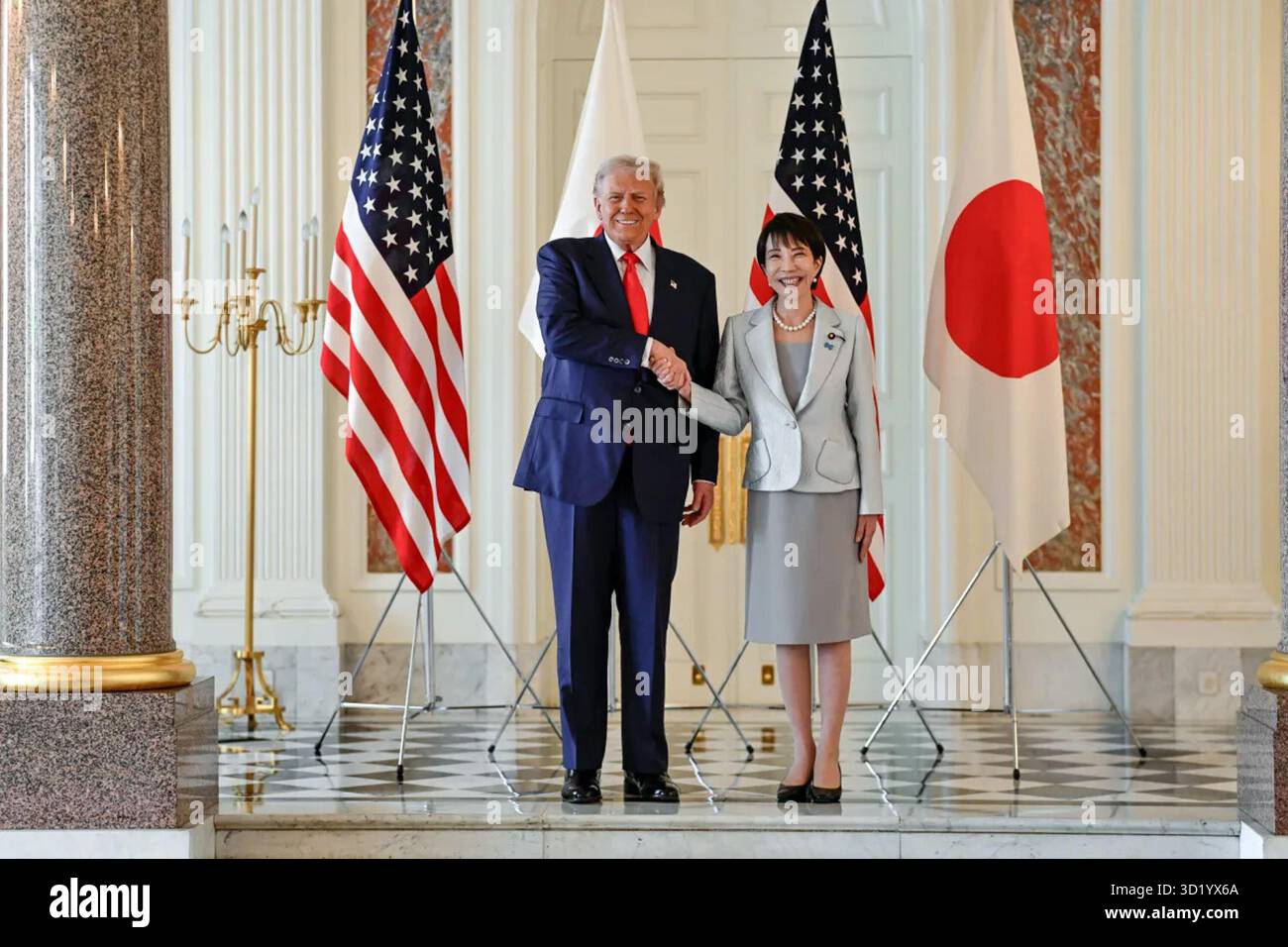
The global foreign policy establishment is currently having a collective panic attack because Donald Trump stepped off Air Force One, patted himself on the back, and declared the birth of a United States-China "G2." Mainstream analysts are frantically spinning narratives about a new geopolitical era where Washington and Beijing jointly hold the steering wheel of the global economy.
They are missing the joke.
The media consensus treats this "G2" rhetoric as a structural shift in international relations. In reality, it is a transactional theater production where both actors are reading completely different scripts. Trump uses the term because it appeals to his desire for marquee, head-to-head dealmaking. Xi Jinping tolerates the optics because it flatters Beijing’s status while committing China to absolutely nothing.
I have spent decades watching state departments and corporate boardrooms misread executive posture. When a leader calls a bitter rival their "co-captain," they are not sharing power; they are building a fence. The sudden warmth out of the Beijing summit is not a foundation for global co-management. It is a tactical pause by two economic engines that realize they cannot afford an immediate, catastrophic collision.
The Flawed Premise of Co-Leadership
The concept of a G2 implies shared responsibility. It suggests that the world’s two largest economies will sit in a room, divide global issues into neat columns, and dictate terms to the remaining 190-plus nations.
This ignores how Beijing operates. China’s entire modern foreign policy framework is explicitly designed around multilateralism and the Global South. The moment Beijing formally accepts a "G2" label, it alienates its massive network of developing-nation partners who detest the idea of a duopoly. Chinese current affairs commentators have spent years quietly pushing back against this exact terminology because it paints China as a co-imperialist rather than a leader of the developing world.
So why did Xi stroll through the Zhongnanhai gardens with Trump and nod along? Because optics are cheap, and soybeans are expensive.
The Transactional Scorecard
Let's look at what actually happened behind the pageantry. The mainstream press ran headlines about "massive trade breakthroughs." Peel back the bark, and you find standard, non-binding purchase commitments.
- Agricultural Buys: Commitments to purchase large volumes of American soybeans and farm goods. This serves an immediate domestic political purpose for Trump's rural voter base, but it changes zero structural realities regarding technology transfer or intellectual property.
- Aviation Pledges: Verbal agreements regarding hundreds of Boeing aircraft. Aviation procurement cycles take years; a handshake in Beijing does not clear a balance sheet in Chicago today.
- Strategic Minerals: Vague assurances regarding the supply chains of critical rare earth elements.
This is not a grand strategy. It is a series of short-term invoices. Trump secures the high-profile economic numbers he can flash on television, while Xi purchases a temporary reprieve from escalating tariff escalation.
Imagine a scenario where a legacy corporate titan realizes a nimble competitor is eating their market share. They don't launch a war they might lose; they sign a temporary joint marketing agreement to freeze the playing field while they retool their factories. That is what we are witnessing.
Why the Allies Are Panicking for the Wrong Reasons
From Tokyo to Brussels, the reaction to the Beijing summit has been near-hysterical. Japanese diplomats are privately terrified that Washington will trade East Asian security concessions for trade balances. European officials fear being caught in a vice between American security demands and Chinese industrial overcapacity.
They are asking the wrong question. The danger isn't that Trump and Xi will successfully co-manage the world. The danger is that their superficial bilateralism will completely erode the existing multilateral frameworks without putting anything functional in their place.
When Trump disdains traditional alliances like NATO or sidelined regional partnerships, he isn't replacing them with a functional bilateral alliance with China. He is creating a vacuum. China will not step in to help the US police global shipping lanes or enforce global financial sanctions. Beijing detests sanctions. They prefer deniable economic coercion.
The Reality of Managed Competition
If you are running a multinational corporation or managing a global supply chain, do not rewrite your ten-year plan based on this "G2" rhetoric.
The structural friction between a dominant status-quo power and a rising revisionist power cannot be resolved over a 100-minute dialogue and a state dinner. The technology restrictions on semiconductors will remain. The geopolitical tension over the Taiwan Strait has not dissolved; it has merely been kicked down the road until the next political cycle.
Trump himself admitted the temporary nature of this peace, stating that he doesn't think China will make aggressive moves while he is in office, but openly speculating they might when he is gone. That is an admission of transactional stall tactics, not a new international order.
What we have is not a G2. It is a competitive co-administration of a fragmented world. The rules are not being rewritten; they are being ignored on a case-by-case basis to facilitate short-term trade wins.
Stop looking for a grand architectural shift in global governance. Watch the specific commodity flows, monitor the technology export licenses, and ignore the executive handshakes. The theater is loud, but the underlying economic warfare hasn't changed its trajectory by a single degree.