Carlotta Heick stood on the pavement in Schwerin, looking at a chalkboard menu outside a bakery that she hadn’t visited in months. The numbers scrawled in white chalk didn't make sense anymore. Prices had climbed upward with a quiet, relentless cruelty, while her pension remained stubbornly, insultingly still.
"Here," she muttered, adjusting the strap of her worn canvas bag, "with these wages, you can hardly afford anything."
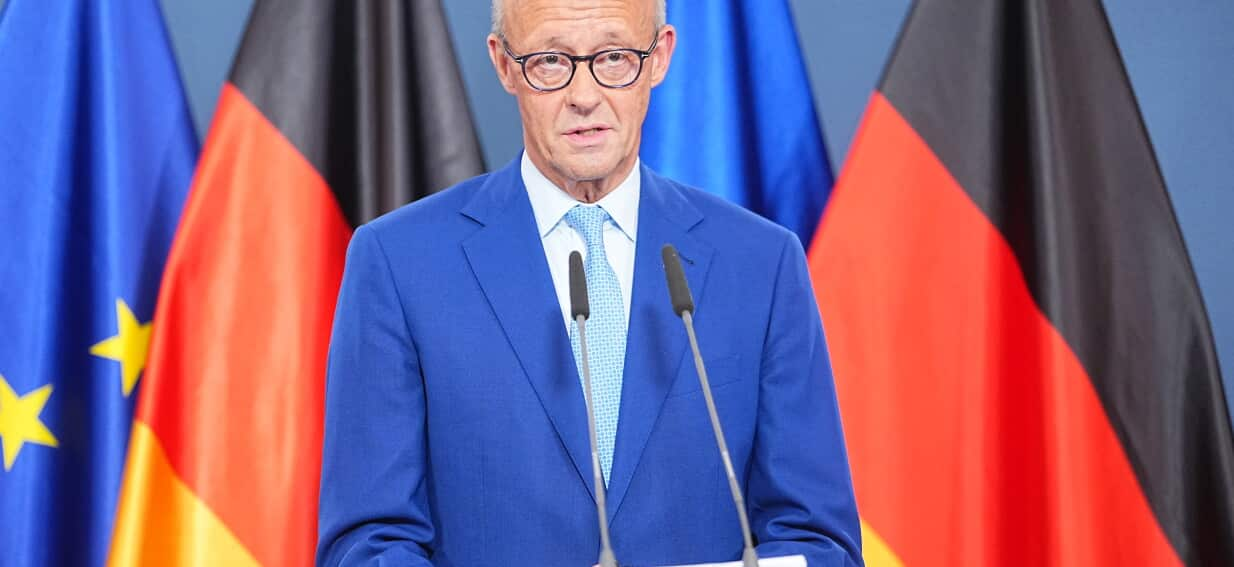
Across Germany, a chill was settling into the bone of the political establishment. When the preliminary counts flickered across television screens from the Baltic coast to the capital, the political vocabulary of the nation fractured. Friedrich Merz, standing behind heavy oak and glaring camera lights, didn't reach for diplomatic softenings. He called it what it was. A disaster.
History does not always arrive with the roar of falling masonry. Sometimes, it creeps in through empty storefronts, unpaid heating bills, and the slow, corrosive erosion of ordinary trust.
For months, the federal government in Berlin had promised an economic turnaround—a grand structural renewal meant to shield the nation from global turbulence. But grand blueprints do little to heat a drafty kitchen in Mecklenburg-Western Pomerania. In towns where shipyard jobs vanished decades ago and younger generations packed their bags for Munich or Hamburg, the abstract promises of fiscal responsibility sounded like background noise from another planet.
Voters didn't just drift away from the center. They bolted.
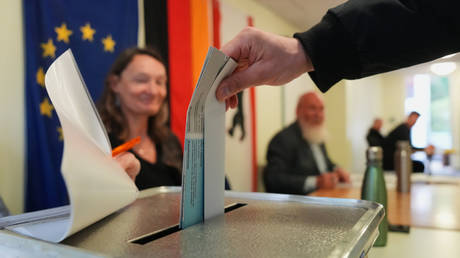
In the northeastern state of Mecklenburg-Western Pomerania, the Alternative for Germany surged past traditional power brokers, capturing nearly thirty-eight percent of the vote. It was a milestone that crossed a psychological Rubicon. Further south, in the capital city of Berlin, a radically different counter-current pulled the ground out from under the incumbents, as the left-wing Die Linke capitalized on a relentless housing crisis that had turned renting an apartment into an endurance sport.
The CDU, Merz’s anchor party, absorbed blows that left veteran strategists staring blankly at spreadsheets. In some regional strongholds, support eroded so completely that parties once accustomed to steering regional parliaments found themselves pushed entirely past the electoral threshold.
Consider what happens when a citizen stops believing that the system can hear them. They stop whispering. They start shouting with ballots.
Behind the political shockwaves lies a profound fracture over identity, survival, and the cost of global commitments. Campaign trails in the east echoed with deep-seated anxieties over immigration, soaring energy costs, and the heavy financial footprint of supporting foreign conflicts while domestic infrastructure frayed. For voters like Carlotta, watching billions flow outward while local clinics closed their doors felt like a betrayal of the social contract. The Alternative for Germany tapped directly into that resentment, offering hardline restrictions and protectionist promises that resonated among populations feeling left behind by modernity.
Yet, the crisis was not confined to rural peripheries. In Berlin, the pain was spatial and economic. Tenants faced eviction-level rent increases in a city where square meters had become luxury commodities. The failure of traditional center-left and center-right parties to arrest the housing shortage created an opening for radical solutions, including proposals for corporate expropriation.
Merz faced an immediate reckoning. Calls for his resignation whispered in party corridors grew louder, transforming from late-night speculation into open factional warfare. Canceling international trips, including a high-profile visit to the United Nations, the Chancellor hunkered down in Berlin to salvage a coalition government straining under the weight of conflicting regional demands. His core argument was simple: reforms take time, and buckling now would sacrifice Germany's long-term stability for short-term relief.
But time is a luxury that people standing in breadlines or facing winter heating bills do not possess.
When trust in institutions evaporates, every policy debate becomes an existential test. The firewall separating mainstream governance from radical alternatives is no longer protected by institutional habit; it must be defended by tangible results. If the center cannot deliver secure housing, stable wages, and a sense of shared community, the periphery moves inward until the center disappears entirely.
The lights remain on in the Reichstag, but the shadows outside are growing long.
German Chancellor Friedrich Merz calls state election a 'disaster' for his party
This video captures the immediate broadcast response and political fallout following Friedrich Merz's sharp assessment of the regional election defeats.