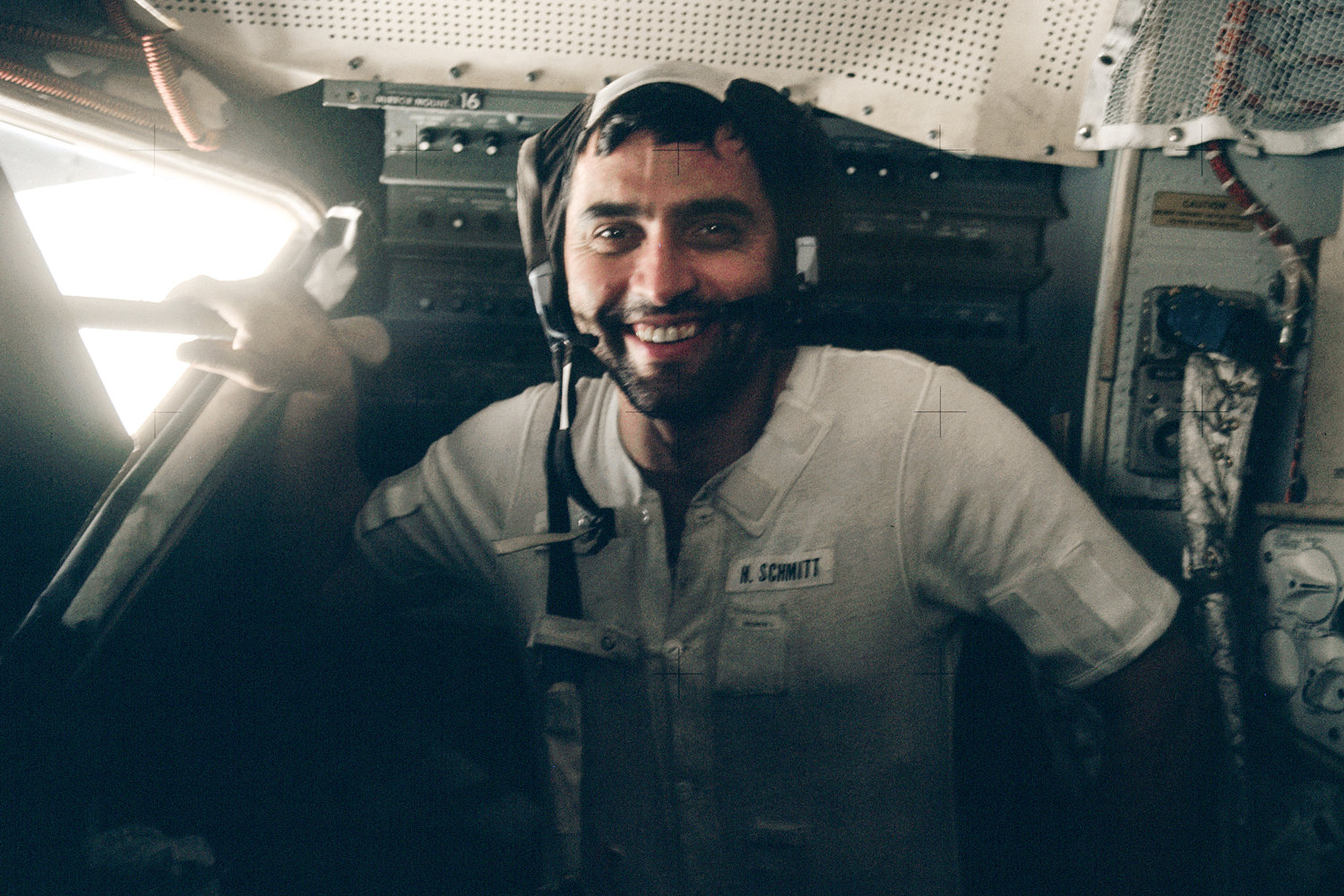
Humans haven't left low-Earth orbit since the disco era. That’s about to change. NASA isn’t just sending robots this time. They’re putting four people inside a capsule and firing them around the far side of the moon. It’s the Artemis II mission. This isn't a landing—that's for Artemis III—but it's the high-stakes stress test for the hardware that’ll eventually put boots back on the lunar dust.
If you think this is just a repeat of the 1960s, you’re missing the point. The technology is different. The goals are different. Most importantly, the crew represents a massive shift in how we approach space exploration. This isn't a group of identical test pilots with the same buzzcut. It’s a specialized team designed to survive 10 days in a small tin can while traveling thousands of miles beyond where any human has gone in decades.
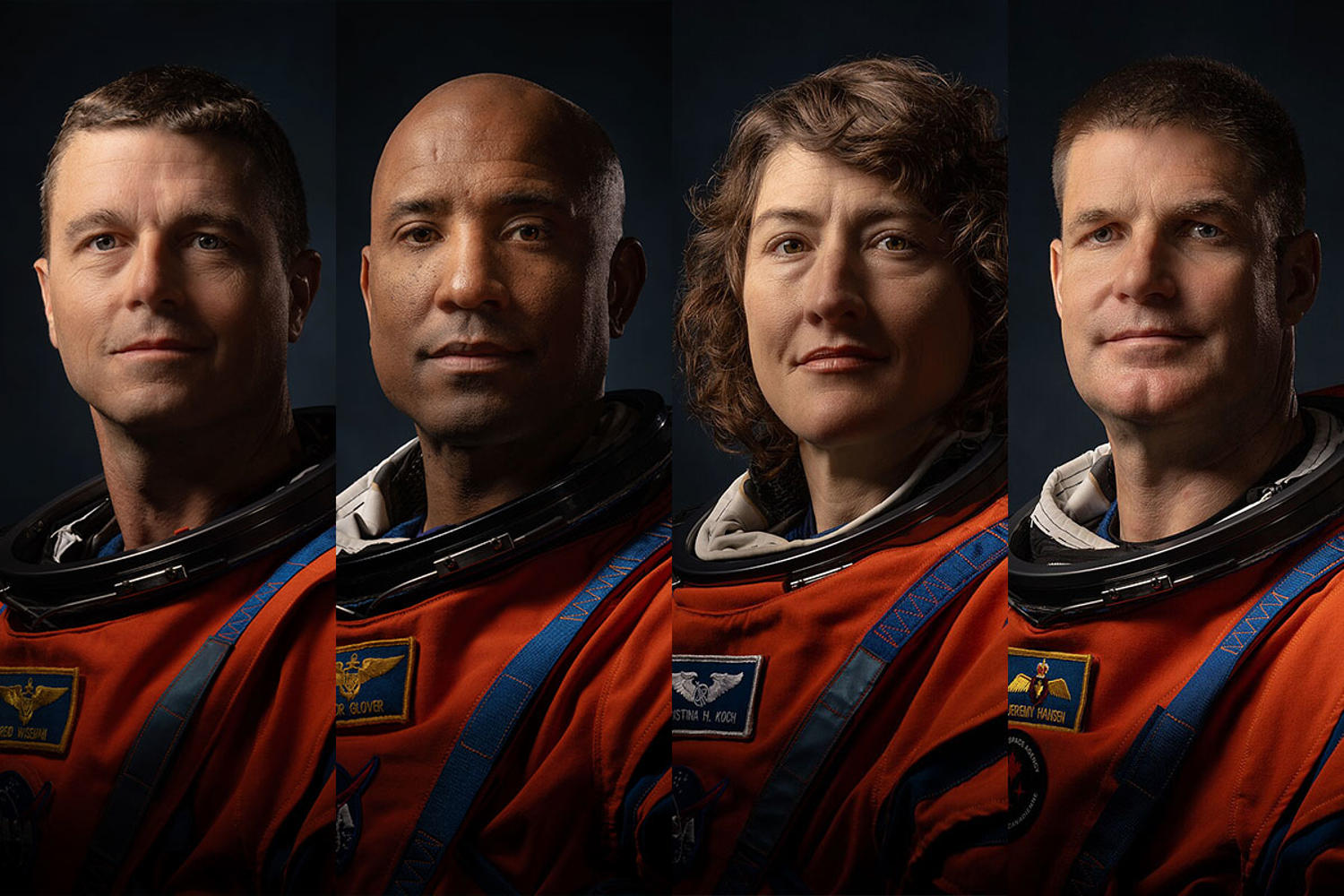
Reid Wiseman is the Captain of the Ship
Every mission needs a steady hand. Reid Wiseman is that hand. He’s the Commander of Artemis II. He isn't new to the game. Wiseman spent 165 days on the International Space Station (ISS) back in 2014. He’s a naval aviator who’s flown combat missions in the Middle East. He knows what it’s like when things go sideways at 17,000 miles per hour.
Wiseman served as the Chief of the Astronaut Office before being named to this crew. That’s a desk job, but it’s one where you learn exactly how the bureaucracy of NASA works. He stepped down from that role specifically to get back into the flight rotation. You don't do that unless you’re hungry for the cockpit. On Artemis II, he’s responsible for the overall success of the mission. He’s the one making the final calls if the Orion spacecraft starts throwing warning lights while they’re 200,000 miles from home.
Victor Glover Breaks the Lunar Ceiling
Victor Glover is the Pilot. He’s also making history. No Black astronaut has ever traveled beyond low-Earth orbit. Glover is changing that. He’s a Captain in the U.S. Navy and a test pilot with over 3,000 flight hours. He flew the first operational mission of the SpaceX Crew Dragon to the ISS in 2020.
Glover is known among his peers for being incredibly calm under pressure. During his time on the ISS, he completed four spacewalks. That kind of experience is vital for Artemis II. While the Orion capsule is highly automated, the Pilot needs to understand the manual overrides and the physics of lunar transition. He isn't just a passenger. He’s the guy who has to ensure the spacecraft hits the narrow "keyhole" in the atmosphere upon return. If they miss it, they either bounce off the atmosphere into deep space or burn up on entry. No pressure, right?
Christina Koch and the Longest Stay
Christina Koch is a Mission Specialist. She holds the record for the longest single spaceflight by a woman—328 days. She’s an engineer. She’s worked at the South Pole. She’s a marathon runner. Basically, she’s the person you want with you if the life support system breaks and you need someone to fix it with a screwdriver and sheer willpower.
Koch’s inclusion is huge. She will be the first woman to go to the moon. Her background in electrical engineering and her experience with long-duration missions make her the perfect candidate to monitor the Orion’s complex systems. Space is hard on the human body. Radiation is a massive concern once you leave the protection of Earth’s magnetic field. Koch has spent more time than almost anyone studying how space affects human physiology. She’ll be watching the ship and the crew with an expert eye.
Jeremy Hansen brings the North to Space
The fourth seat belongs to Jeremy Hansen. He’s a Colonel in the Royal Canadian Air Force. This is a big deal because it marks the first time a non-American is leaving Earth’s orbit. Canada’s involvement isn't just a courtesy. The Canadian Space Agency (CSA) provided the Canadarm2 on the ISS, and they’re building the robotic arms for the future Lunar Gateway.
Hansen is a rookie in terms of actual spaceflight, but he’s been an astronaut since 2009. He’s spent over a decade training, managing ground communications for other missions, and even living underwater for a week in the NEEMO habitat. He’s the Mission Specialist focused on the "big picture" operations. Having a Canadian on board solidifies the international nature of the Artemis program. This isn't just a U.S. flag-planting exercise. It’s a global effort to establish a permanent presence on the moon.
Why this mission is actually dangerous
Don't let the shiny NASA videos fool you. Artemis II is risky. The Orion spacecraft is incredible, but it’s still relatively new. The heat shield on the bottom of the capsule has to endure temperatures around 5,000 degrees Fahrenheit when it hits the atmosphere at Mach 32.
The crew will perform a "Proximity Operations" demonstration early in the flight. They’ll use the upper stage of the SLS rocket as a target to test how Orion handles manual flying and docking maneuvers. If they can’t master this, they can’t dock with the landing craft on future missions.
Then there’s the radiation. Once they pass through the Van Allen belts, they’re exposed to solar flares and cosmic rays. Orion has a "storm shelter" area where the crew can huddle if a solar event happens, using the ship's mass and water supplies as shielding. It’s tight. It’s uncomfortable. It’s the reality of deep-space travel.
The trajectory of the mission
The mission isn't a straight line. It's a "free-return" trajectory. They’ll launch from Kennedy Space Center on the SLS (Space Launch System), the most powerful rocket ever built. After a couple of orbits around Earth to check systems, they’ll fire the engines and head for the moon.
They won't orbit the moon. Instead, they’ll use lunar gravity to "slingshot" them back toward Earth. They’ll fly about 6,400 miles past the far side of the moon. During that time, they’ll be farther from Earth than any human in history. They’ll lose contact with ground control for a brief period as they pass behind the lunar disc. That’s the moment of truth. When they emerge, they’ll be on a high-speed path back home, aiming for a splashdown in the Pacific Ocean.
What this means for the rest of us
You might ask why we’re spending billions to send four people around a giant rock. It isn't just about the "cool factor." Artemis is the precursor to Mars. We need the moon to learn how to live off-planet. We need to figure out how to harvest ice for water and fuel. We need to see if humans can handle months or years in deep space without losing their minds or their health.
The four astronauts on Artemis II are the scouts. They’re testing the path. If they succeed, Artemis III will land people on the lunar South Pole within a year or two. That’s where the real science starts. But none of it happens without this crew proving the Orion can keep four humans alive in the void.
Getting ready for the launch
The crew is currently in intense training. They’re spending hundreds of hours in simulators. They’re practicing water egress—getting out of a bobbing capsule in the middle of the ocean. They’re learning every nut and bolt of the Orion.
You can follow the progress through NASA’s official Artemis blog or their social media channels. They frequently post updates on the SLS assembly and the crew's training milestones.
If you want to understand the scale of this, look up the "Earthrise" photo from Apollo 8. Artemis II will give us a 21st-century version of that moment. Only this time, the images will be in 4K, and the crew will be sharing the experience with the world in real-time. It’s a new era. Pay attention.
Check the NASA launch schedule regularly. Launch windows for deep space are narrow and depend on the alignment of the Earth and Moon. When the countdown finally hits zero, don't miss it. You're watching the start of the next chapter of human history.