The coffee goes cold. It always goes cold when the spreadsheet refuses to balance.
Outside the window, a suburban morning in Ohio unfolds with ordinary quiet. Cars hum past on asphalt. Mailboxes wait with open mouths. Inside, however, the air feels thin, pressurized by a shadow that has no business being there. Priya stares at the cursor blinking on her monitor. It blinks once a second. Sixty times a minute. A steady, mocking pulse keeping time with her rising panic. For another perspective, consider: this related article.
She is a software engineer. Or, at least, she was twenty minutes ago, before she checked the news feed again.
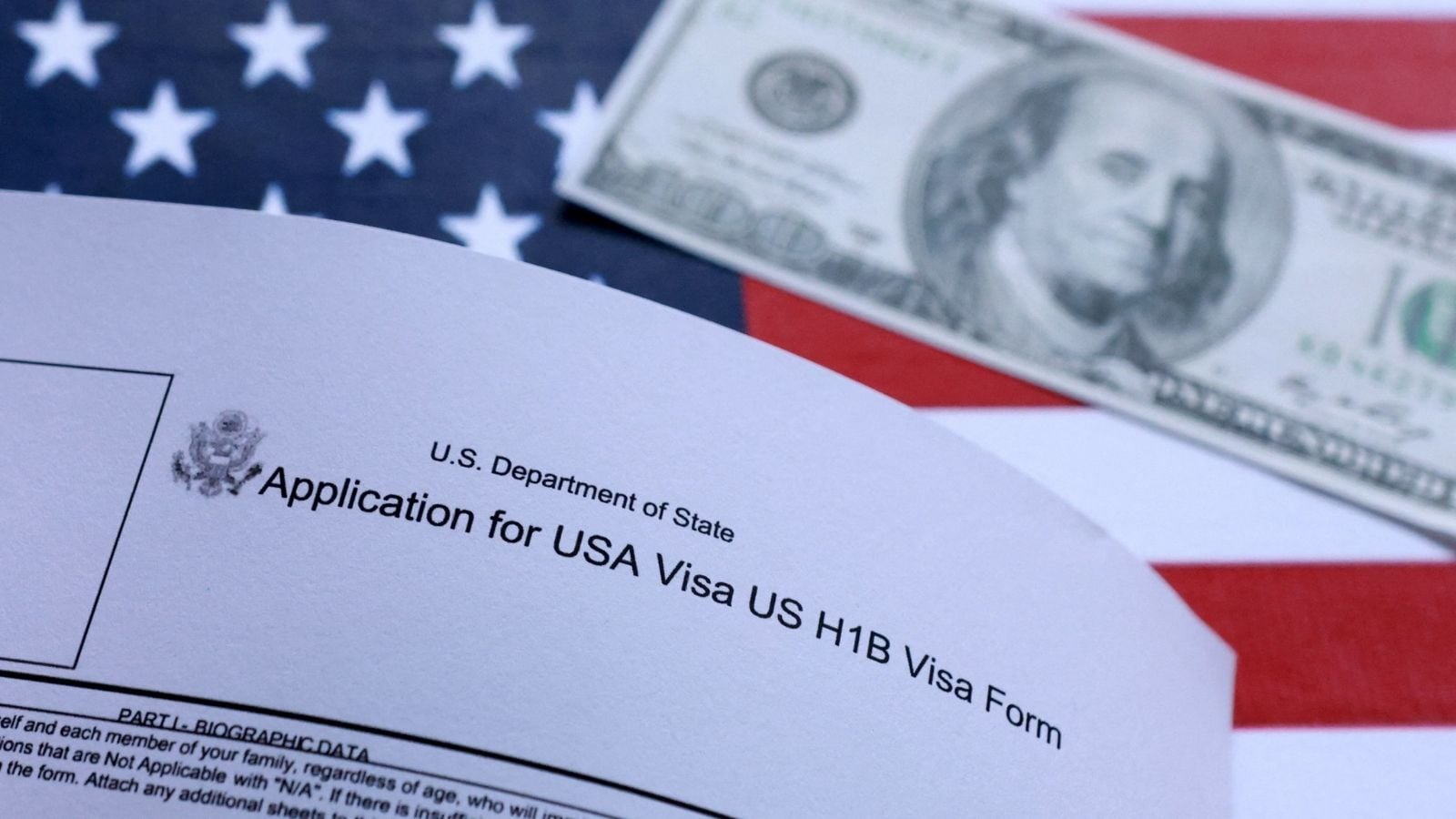
Across the kitchen island, her husband, Rajesh, sits frozen with a mug halfway to his lips. His H-1B visa brought them to this country eight years ago, a golden ticket earned through sleepless nights and specialized algorithms. But Priya’s authorization to work—granted through the H-4 dependent visa employment authorization document program introduced over a decade ago—is the invisible thread holding their entire American life together. Further reporting on this trend has been shared by The Guardian.
Now, policymakers in Washington are weighing whether to snip that thread.
Consider what happens next if they do.
The Arithmetic of Belonging
We talk about immigration as a matter of borders and statutes, of quotas and legislative floor votes. We treat it like an abstract chess match played by men in suits who have never had to calculate the cost of health insurance or childcare out of a single-income household. But immigration is actually a kitchen table issue. It is measured in milliliters of formula, car payments, and the quiet dignity of contributing to the society you call home.
Let us be entirely clear about the mechanics. Under current federal rules, certain spouses of high-skilled temporary foreign workers are allowed to hold jobs. They are accountants, teachers, architects, and scientists. They did not jump the line. They were vetted, fingerprinted, cleared, and integrated. They pay taxes into a system they may never fully draw retirement from.
When people ask what an H-4 visa holder actually does, the answer is deceptively simple: they build a life. But the underlying policy discussion treats them as mere accessories to the primary visa holder. An attachment. A passenger in a car driven by someone else.
Priya remembers the day her authorization card arrived in the mail. It was a flimsy piece of plastic that carried the weight of an anchor. For years, she had lived in professional limbo, watching her skills atrophy while her friends back home launched startups and climbed ladders. That card changed everything. It allowed her to walk into an office, sit at a desk, and remember who she was outside of being someone's wife.
To take that away is not merely a bureaucratic adjustment. It is an erasure.
The Logic of Loss
The official rationale for restricting these work permits usually relies on protectionist rhetoric. The argument claims that opening the labor market to dependent spouses deprives native-born Americans of jobs.
It sounds tidy. It sounds patriotic on a campaign poster. But the economic reality is far more complex, and frankly, much harsher.
To understand this, look at the families themselves. High-skilled workers on H-1B visas often wait decades for a green card due to monumental bureaucratic backlogs, particularly applicants from countries like India and China. Telling a brilliant engineer that they can live here for twenty years, but their partner must remain economically dormant, defies basic human psychology.
Talent is mobile. The global market for high-end engineering, medical research, and financial analysis does not stop at the borders of the United States. Canada is watching. Europe is watching. When highly educated couples realize that one partner must sacrifice their career entirely to live in America, they pack their bags for Toronto or Berlin.
We are not protecting jobs. We are exporting talent.
(Note: The hypothetical scenario of Priya and Rajesh reflects the documented anxiety experienced by tens of thousands of families currently navigating the U.S. immigration backlog, where dual-income stability is often the only shield against the exorbitant cost of living in major tech and innovation hubs.)
The Quiet Exodus
Rajesh puts his mug down. The ceramic clinks against the granite counter.
"If they end the permit," he says softly, his voice tight, "we can't afford the mortgage here. Not on one salary. Not with the current interest rates and the kids' school."
Priya doesn't answer immediately. She looks at the family photo on the refrigerator. The children were born here. They speak with Midwestern accents, say "ope" when they bump into someone in the grocery store aisle, and think of trick-or-treating as a fundamental human right. They do not know a homeland across the ocean. This is their home.
Yet, the structural machinery of the state treats their parents as temporary guests whose lives can be unraveled with the stroke of a pen.
This is the hidden cost of exclusion. It is not just about lost wages or empty cubicles. It is about the casual dismantling of stability for people who played by every rule the government wrote. It creates a caste of domestic dependents, people rendered deliberately fragile in a system that demands hyper-competence from the worker while reducing their partner to silence.
History offers a stern warning here. Nations that build walls around their human capital eventually find themselves hollowed out from the inside. Innovation is not manufactured in corporate boardrooms alone; it is sustained by the quiet, daily security of families who feel safe enough to plant roots, buy homes, and invest their futures in the local community.
The cursor on Priya's screen stops blinking as she puts the laptop into sleep mode. The dark glass reflects her tired eyes.
Out on the street, the mail carrier drops a package onto the next porch, the sharp thud echoing through the crisp air, leaving the future hanging in the balance.