The glow of a smartphone screen at 2:00 AM usually means insomnia, doom-scrolling, or an ill-advised midnight purchase of a cast-iron skillet you will use twice. But on a quiet weeknight, for a select group of internet sleuths browsing a viral corner of Reddit, that glow meant something else entirely. It meant a glitch in the matrix of late-stage retail capitalism.
Pixels aligned in a way no accountant intended. A price tag dropped by nearly eighty percent.
Imagine waking up to find that a cart full of premium alcoholic drinks—cases of craft beer, vintage-leaning spirits, and imported wine that usually demand a calculated budget conversation—suddenly cost less than a miserable box of takeaway pizza. It reads like a modern urban legend, a digital lottery win where the lucky ticket holders didn't pick numbers; they just happened to be scrolling when a corporate digital shelf blinked.
Within minutes, the whispers turned into a stampede.
The Anatomy of a Digital Stampede
Retail giants like Coles pride themselves on fortress-like stability. Their websites are engineered to handle the chaotic Friday afternoon rush of families ordering weeknight chicken and school lunch snacks. They are built for resilience, load-balancing traffic across servers to ensure the bread arrives and the milk stays cold.
Yet, an infrastructure designed for suburban convenience can shatter under the weight of human opportunism driven by an algorithmic spark.
When the Reddit post hit, it acted like an open fire hydrant in a parched desert. Thousands of users flooded the portal simultaneously. They weren't browsing; they were hoarding. Cases vanished into digital baskets with the frantic clicking of people rushing to beat a referee's whistle. It was a race against a clock everyone knew was ticking. Algorithms meant to manage inventory were suddenly tasked with processing an impossible tsunami of demand, buying premium goods at a fraction of a cent per ounce.
Then came the inevitable silence.
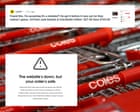
The Coles website went down. Not slowly, with a polite loading wheel, but violently, dropping error codes like broken glass across thousands of browser windows. The servers simply surrendered.
Behind the Error Screen
What happens inside a multi-million-dollar retail backend when a pricing error goes viral? Panic, mostly.
For the consumer, it is a game. For the engineering team staring at telemetry dashboards, it is a five-alarm fire. In the span of a single hour, profit margins turned negative across thousands of pending digital receipts. A case of top-shelf gin priced at twelve dollars instead of sixty isn't just a sale; it is a corporate bleed.
(To be clear, this is distinct from a planned clearance event. Retailers routinely slash prices to clear warehouse space, but an eighty percent discount born of a backend data glitch is an unforced error, a digital slip of the pen on a grand scale.)
Consider what happens next in the corporate war room. Do they honor the purchases? Do they lean on terms of service clauses that allow them to cancel orders due to pricing errors? The tension between consumer goodwill and corporate self-preservation creates a fascinating psychological standoff. If you honor the glitch, you lose thousands of dollars in stock. If you cancel the orders, you face a public relations backlash from an army of aggrieved internet shoppers who feel cheated out of their rightful jackpot.
The glitch exposes the fragile fiction of modern retail. We treat online storefronts as infallible laws of physics. Price means value. Value means truth. But behind the button is a database managed by tired humans typing SKU numbers into fields under fluorescent lights.
The Morning After the Glitch
By sunrise, the servers were back online, but the digital shelves looked different. The bargain-basement pricing was gone, replaced by standard-issue reality. The error had been patched, the leaky pipe welded shut.
Yet, the digital footprint remained. Screenshots circulated across social media like trading cards. Some users boasted of confirmation emails, wondering aloud if a delivery driver would actually show up at their door with a pallet of heavily discounted scotch. Others accepted that their digital heist would be quietly reversed by a legal team citing clerical error clauses buried deep in the checkout agreement.
We are drawn to these stories because they offer a rare inversion of power. For once, the monolithic corporation blinked, and the everyday shopper got to hold the winning hand, even if only for twenty breathless minutes. It reminds us that our vast, automated commercial world is entirely human, held together by duct tape, coffee, and code that occasionally breaks.
The servers recovered. The inventory counts were reconciled. But somewhere out there, a lonely notification chime still echoes, reminding us how quickly the digital shelf can break when the world decides to lean all at once.