An Indian merchant navy captain sits in a British detention cell, the primary casualty of a quiet economic war fought on dark waters. When authorities detained the master of a shadow-fleet oil tanker in UK waters, headlines focused on sanctions evasion and illicit crude moving from Russian ports to global buyers. That framing misses the operational reality. Captains do not choose the cargo, paint over International Maritime Organization numbers, or establish shell companies in the British Virgin Islands. They execute orders passed down from anonymous beneficial owners through layers of opaque maritime management firms.
The arrest of an Indian master in the United Kingdom highlights a dangerous legal grey zone. Western governments tighten the screws on the dark fleet hauling sanctioned petroleum, yet they frequently target the operational workforce rather than the financiers orchestrating the trade. The captain becomes the human friction point for a system designed to be legally impenetrable.
Maritime law enforcement faces a structural wall when trying to pierce corporate veils. When an oil tanker switches off its transponder in the middle of the Atlantic, performs a ship-to-ship transfer of Urals crude, and adopts a false flag, the individual holding the wheel is often the only physically accessible node in a sprawling transnational network.
Anatomy of the Shadow Fleet
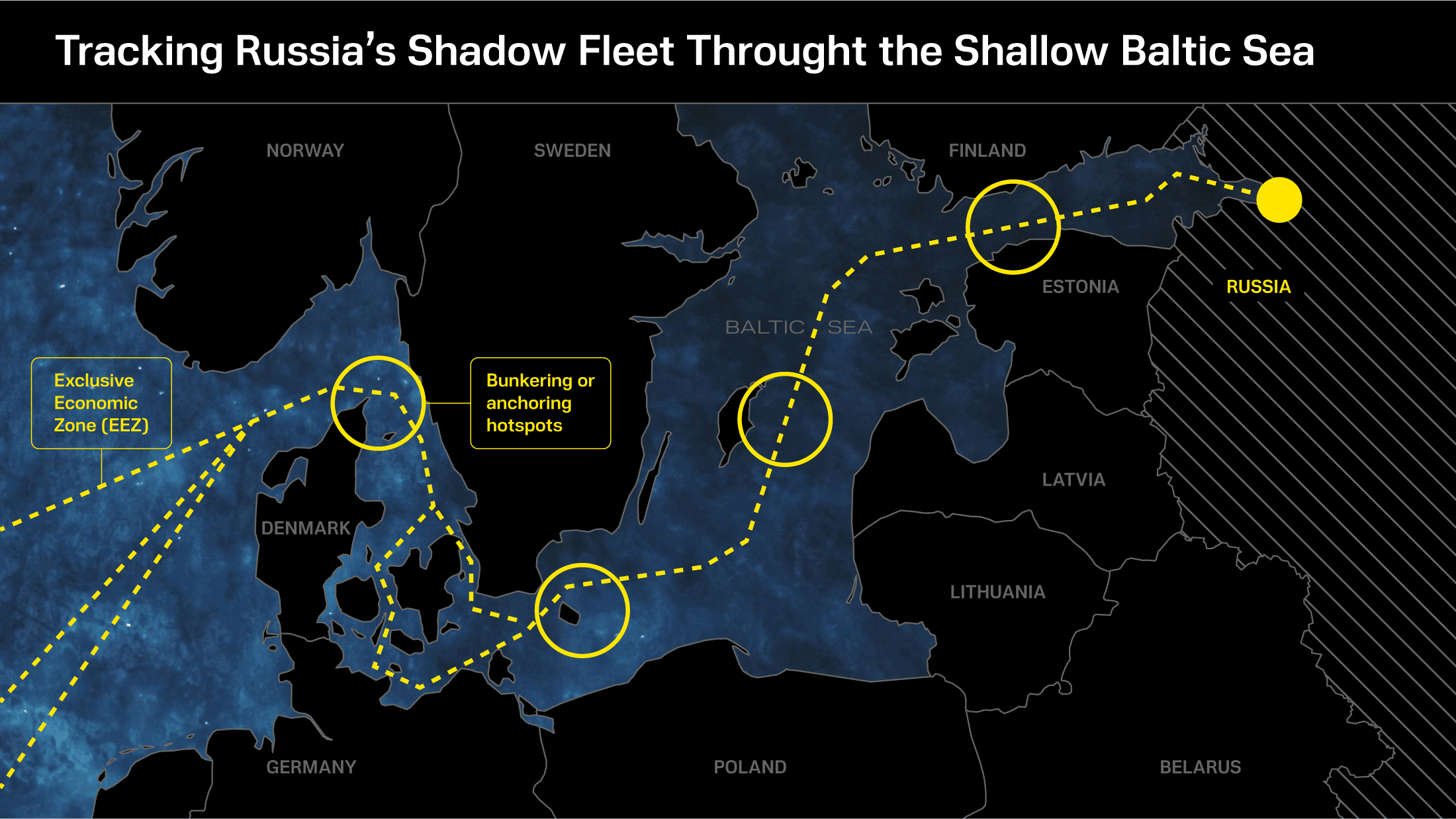
The mechanics of moving Russian petroleum past Western price caps rely on aging tonnage and fractured registries. Vessels that should have been sent to scrap yards decades ago find new life under flags of convenience. These ships change names with the frequency of a commuter swapping trains.
Insurance forms the core vulnerability. Traditional Protection and Indemnity clubs, mostly based in London or other Western hubs, refuse coverage for vessels carrying oil priced above the G7 cap. This forced the emergence of alternative insurance providers based in jurisdictions where Western regulatory reach evaporates. These alternative insurers lack the capital reserves of established maritime mutuals. If a major spill occurs off a sensitive coastline, the financial and environmental fallout becomes an unmitigated disaster for coastal states.
Governments in London, Washington, and Brussels understand this exposure. They cannot easily sanction anonymous beneficial owners hiding behind nominees in Dubai or Hong Kong. Instead, port state control officers and maritime authorities intercept vessels when they enter territorial waters. They lean on domestic legislation regarding safety compliance, environmental risk, and sanctions breaches to detain the physical ship.
Detaining the ship requires detaining the crew. The master bears absolute legal responsibility under international maritime conventions for everything occurring aboard the vessel. This ancient legal principle, forged in an era of predictable trade routes and identifiable shipowners, now functions as a liability trap for modern seafarers.
The Economics of Compliance and Coercion
Working on a dark fleet vessel is rarely a first choice for master mariners with clean records and options with major commercial lines. The risks are steep. Insurance anomalies, lack of proper maintenance, hostile port interactions, and the constant threat of detention hang over every voyage.
Yet, maritime labor markets face immense pressure. Seafarers from nations like India, the Philippines, and Eastern Europe often confront limited domestic job markets paired with high inflation at home. Management agencies operating out of loose regulatory hubs dangle lucrative contracts to captains willing to look past compliance red flags.
Once a captain signs on and the vessel slips away from the dock, pulling out becomes practically impossible. Communication channels with owners are tightly controlled. Threat of blacklisting across the industry keeps many silent. If a master refuses a cargo transfer or questions the validity of a certificate, replacement crews are readily available in the next anchorage.
When a vessel enters the crosshairs of Western law enforcement, the corporate apparatus that hired the captain vanishes into the fog. Management companies dissolve overnight, phone numbers disconnect, and websites disappear. The legal defense fund rarely materializes for the crew. The captain stands alone before a foreign magistrate, facing charges that carry severe prison sentences, while the actual architects of the voyage remain untouched behind corporate shields.
Bruised diplomatic channels between New Delhi and London now manage the fallout of these detentions. Families of detained mariners petition local politicians, arguing that ordinary workers are bearing the brunt of geopolitical disputes they did not create.
The strategy of targeting crew members to enforce economic sanctions creates a profound moral hazard. If international enforcement agencies continue to use working mariners as proxies for corporate punishment, the global shipping industry faces a severe labor crisis. Experienced officers will refuse commands on vessels with ambiguous ownership structures.
The structural integrity of global supply chains depends on predictability. When the legal framework treats a hired captain as a geopolitical target, the fundamental rules governing international waters fracture completely.