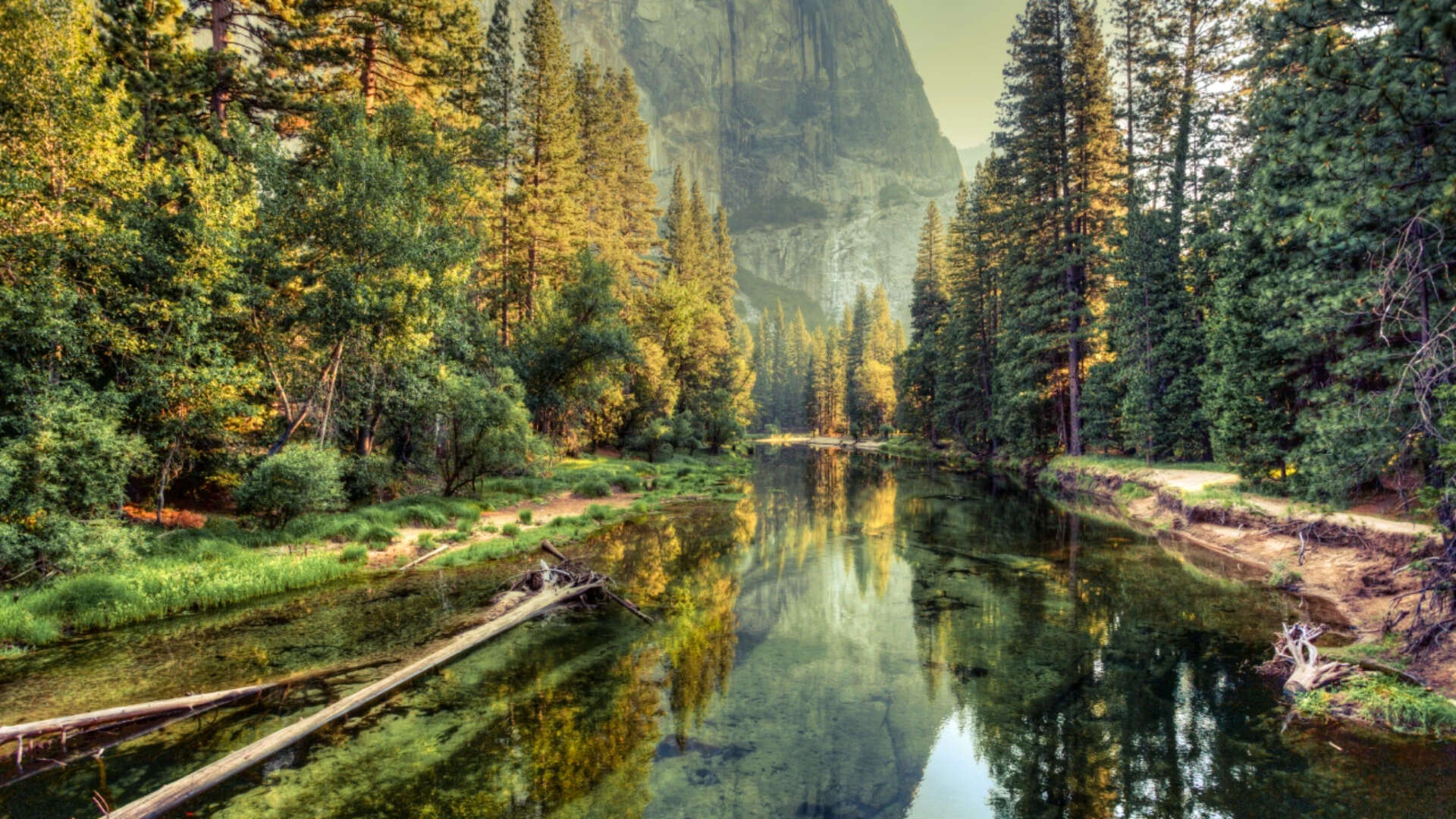
Turn the brass handle on your kitchen sink. Watch the water rush out. Clear. Cool. Odorless. It feels like a fundamental right, as certain as gravity or the sunrise. We rarely think about the thousands of miles of dirt, root, and stone that scrubbed that water clean before it ever reached the treatment plant. We don't see the silent, ancient machinery of the forest floor working on our behalf.
But twenty-five million Americans are tied by an invisible thread to places they may never visit. Places like the Tongass National Forest in Alaska, or the rugged backwoods of the Pacific Northwest.
When you strip away the dense legal jargon of environmental policy, you find something deeply human. A story about what happens when we leave the wild alone, and what happens to our bodies when we don't.
The Chemistry of Silence
Picture a mountain slope untouched by machinery. Let's call it a hypothetical sanctuary, though thousands of real versions exist across the American West. When rain falls here, it doesn't just hit the ground and slide into a creek. It embarks on a slow, deliberate journey.
The water seeps through a thick carpet of moss. It winds around the deep roots of old-growth Douglas firs and hemlocks. This isn't just scenery. It is a massive, living filtration system. The soil binds to heavy metals. The root systems absorb excess nutrients. By the time this runoff trickles into the headwaters of a local river, it is pristine.
Now, introduce a single dirt road.
It sounds innocent. A road is just a path, right? But to a watershed, a road is a scar that never heals. To build it, heavy machinery must scrape away the topsoil, exposing the raw earth beneath. The natural canopy is breached, allowing rain to strike the bare ground with full force.
Consider what happens next: the next heavy storm isn't absorbed. It weaponizes the exposed dirt. Millions of tons of fine sediment wash directly into the stream.
For the trout and salmon spawning in those waters, this sediment is a suffocating blanket. For the communities downstream, it is a financial and public health nightmare.
The Cost of Turbidity
When water arrives at a municipal treatment facility choked with mud, the engineers face a crisis. This cloudiness is known as turbidity. It isn't just an aesthetic issue. High turbidity acts as a shield for dangerous pathogens, hiding bacteria and viruses from the standard ultraviolet light or chlorine treatments used to make water safe.
To fix it, cities must pump in massive amounts of chemical coagulants to bind the dirt and settle it out. More mud means more chemicals. More chemicals mean higher water bills for the family trying to wash their dishes or bathe their children. In worst-case scenarios, when the filtration systems are overwhelmed, boil-water advisories are issued. The modern luxury of the tap vanishes.
This is where the Roadless Area Conservation Rule steps in. Established in 2001, this policy protects roughly 58.5 million acres of National Forest System lands from road construction and timber harvesting.
For decades, it has operated as a silent shield. It doesn't cost billions to maintain. It requires no pipes, no electricity, and no chemical additives. Its power lies entirely in what it prevents. By keeping these designated wilderness areas road-free, it keeps the water naturally pure at the source.
A Tale of Two Watersheds
The contrast becomes stark when you look at regions split by policy boundaries. On one side of a mountain ridge, protected roadless land keeps the streams crystal clear. On the other side, where historical logging roads crisscross the terrain, the hillsides are prone to sudden landslides.
During heavy winter rains, these abandoned roads act as artificial channels. They gather rushing water, gain speed, and eventually blow out, sending thousands of tons of debris crashing into the river valleys below.
The financial math is brutal. It is infinitely cheaper to protect a forest than it is to build a new water treatment plant.
Metropolitan areas across the country have realized this. Some of the largest cities in the United States draw their drinking water directly from national forests protected by the roadless rule. They are investing in the health of the land because the alternative is a multi-billion-dollar infrastructure bill passed on to taxpayers.
But the real problem lies elsewhere, buried in the shifting winds of political administration. The roadless rule is constantly under siege. Legal challenges, state-level exemptions, and shifting federal priorities mean that these protected acres are never truly safe. One year a forest is deemed a sacred watershed; the next, it is eyed for a new mining haul road or a timber sale.
The Invisible Network
We tend to view nature as something separate from our daily lives—a postcard landscape we visit on vacation, or a documentary we watch on a screen. The roadless rule forces us to confront a more intimate reality. Every time you brew a morning coffee or fill a dog’s water bowl in cities like Seattle, Portland, or Denver, you are consuming the direct product of a wild, roadless forest.
It is a fragile network. A single break in the chain can compromise the health of millions.
The next time you see a map of the United States, try to look past the state lines and the interstate highways. Try to see the veins of blue winding down from the green crests of the mountains, delivering life to the concrete valleys below. We don't just protect the wilderness for the sake of the trees or the bears. We protect it because our survival is poured from the very same cup.