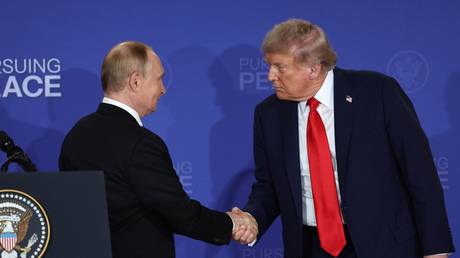
You can't treat a superpower like a real estate developer in Queens. That's the hard lesson hitting Washington as the 2026 Trump-Xi summit kicks off in Beijing. For years, the "Art of the Deal" playbook relied on a simple formula: hit 'em with massive tariffs, create a crisis, and then swoop in to extract a massive purchase agreement. It worked for headlines in 2017, but in 2026, the gears are grinding to a halt. Beijing isn't just absorbing the blows anymore—it’s hitting back with a legal and economic infrastructure that makes 2018 look like a playground scrap.
The reality on the ground is stark. Last year, US exports to China didn't just stumble; they cratered. We’re talking about real manufacturing exports sitting 16% below where they were before the first trade war even started. If the goal was to "rebalance" trade, the math says we're losing. Beijing has stopped playing the role of the submissive buyer. Instead, they've spent the last few years building a "blocking statute" framework that effectively tells multinational companies: "Follow US sanctions, and we'll sue you into oblivion here."
The predictable failure of the tariff-first approach
We've seen this movie before. Trump 2.0 kicked off with a lightning-fast tariff escalation, pushing rates on Chinese goods briefly as high as 145%. The logic was that the "pain" would force Xi Jinping to the table to sign a massive check for American soybeans and Boeings. But Beijing didn't blink. They matched the tariffs and, more importantly, they diversified.
While the US was busy trying to squeeze concessions, China was quietly moving its supply chains to Vietnam, Mexico, and Taiwan. US imports from China dropped 28% in 2025 alone, but that didn't bring the jobs back to Ohio. It just shifted the "Made in China" sticker to a "Made in Vietnam" one, often using the same Chinese components.
The transactional nature of the "Art of the Deal" misses the long game. Xi Jinping doesn't think in four-year election cycles. He's looking at decades. While Washington wants a "win" for the next news cycle, Beijing is willing to endure short-term economic contraction to secure long-term strategic independence.
Why the blocking statute changes everything
You need to understand how much the legal ground has shifted. In May 2026, China’s Ministry of Commerce (MOFCOM) dropped Announcement No. 21. It’s a direct middle finger to US oil-related sanctions. By prohibiting Chinese companies from complying with American law, they’ve put CEOs in an impossible spot.
- You follow US law? You lose your Chinese factories and market access.
- You follow Chinese law? You get hit with secondary US sanctions.
This isn't just about trade balances anymore; it's about whose law governs the world. Beijing is using this "legal warfare" to protect its interests in Iran and its dominance in critical minerals. They know the US is vulnerable when it comes to the lithium and cobalt needed for the "green transition" or even basic defense manufacturing.
The Taiwan bargaining chip and the summit gamble
There’s a growing fear in Taipei—and among some of Trump's own advisors—that the "deal-maker" might view Taiwan as just another line item on a balance sheet. Beijing is leaning into this. Xi has labeled Taiwan the "biggest risk point" and is likely pushing for the US to move from "not supporting" independence to "opposing" it.
If you're a "deal" person, you might think you can trade Taiwan's security for a $500 billion purchase agreement of American corn. That would be a catastrophic miscalculation. It would signal the end of the US-led order in the Pacific, and honestly, China probably wouldn't even keep the buying promise once the ink dried. They've done it before. Look at the Phase One deal from the first term—China only met about 58% of those commitments.
The rare earth squeeze
Beijing is holding a royal flush in the minerals department. A year after they slapped restrictions on rare earth exports, the US is still scrambling. We’ve thrown billions into domestic processing, but we're still years away from being resilient. Beijing knows this. They’re using our tech-export bans as an excuse to choke the supply of materials we need for everything from F-35s to iPhones.
Moving beyond the transactional trap
If you’re waiting for a "grand bargain" to fix everything this week, don't hold your breath. The era of the simple trade deal is over. We’re in a deep, structural rivalry that can't be solved with a gold-pen signing ceremony.
To actually compete, the US needs to stop focusing on "purchase commitments" that rarely happen and start focusing on domestic competitiveness. That means:
- Doubling down on the secondary sanctions against companies using the "blocking statute."
- Accelerating the "China-plus-one" strategy without letting the legal risks paralyze the supply chain.
- Realizing that "pressure" only works if the other side doesn't have an escape hatch.
Right now, Beijing has plenty of hatches. They’ve integrated themselves into the "Global South" so deeply that a US-only trade war is like trying to punch a ghost. You might feel like you're doing something, but the target has already moved. Stop looking for the "big deal" and start preparing for the long grind. The old playbook is out of pages.
The Trump-Xi 2026 Summit analysis
This video provides a deep dive into the shifting balance of power and the specific economic forces making the current US-China rivalry more volatile than ever.