The ink on a diplomatic treaty does not dry all at once. It dries in rooms where the air conditioning hums too loudly, where negotiators chew the ends of plastic pens, and where phones sit on mahogany tables, waiting to vibrate with news from a hemisphere away.
For months, the architects of the US-Iran nuclear framework believed they were working on solid ground. They spoke in the measured, bloodless language of percentages, centrifuges, and verification protocols. But diplomacy is never just about the text. It is about the fragile ecosystem surrounding the text. When a drone strikes a military outpost or a missile tears through a hangar, the shockwaves travel directly to those quiet negotiation rooms. The table shakes. The ink spills.
Suddenly, a technical disagreement becomes a crisis.
The Weight of the Unspoken
Consider a hypothetical diplomat we will call Marcus. He has spent three consecutive weeks in a windowless hotel suite in Vienna, surviving on lukewarm espresso and club sandwiches. His job is not to think about the grand sweep of history; his job is to debate the precise definition of "allowable research." He knows that if he pushes too hard, the Iranian delegation walks out. If he yields too much, the senate back home tears the agreement to shreds before it even reaches the President’s desk.
This is the claustrophobic reality of high-stakes international relations. It is an exercise in managed mistrust.
Then, the notification arrives on Marcus's phone. A flash report. Military strikes in the region. Casualties reported. A Tehran official issues a statement declaring the entire process is now in a "crisis stage."
The air in the room changes instantly. The technical jargon about uranium enrichment levels suddenly feels absurdly detached from reality. The Iranian delegates across the table look up from their tablets, their expressions hardening. The trust, built milligram by milligram over months of painstaking conversation, evaporates in seconds.
This is how agreements die. Not because the logic of the deal changes, but because the political oxygen required to sustain it is cut off.
When the Margins Collide
Every geopolitical negotiation exists on two distinct tracks. The first is the formal track: the public statements, the drafted texts, the official handshakes. The second is the shadow track: the covert operations, the proxy skirmishes, the internal domestic pressures that both leaders face at home.
The illusion of modern foreign policy is that these two tracks can be kept separate.
Policy experts often talk about "de-escalation mechanisms" as if they are valves on a steam pipe. Turn the knob, reduce the pressure. But humans are not machines, and governments are not closed thermal systems. When a strike occurs, the Iranian leadership cannot simply compartmentalize the event and continue talking about economic sanctions relief as if nothing happened. To do so would signal weakness to their own hardliners. Similarly, the American administration cannot ignore hostile actions without facing severe political consequences from an electorate wary of appeasement.
The tragedy of the "crisis stage" is its predictability.
It is a script written decades ago, performed by new actors who are trapped by the choices of their predecessors. The strikes happen because one side feels its deterrence has waned. The retaliation follows because the other side must prove its resolve. Meanwhile, the actual mechanism that could prevent future conflict—the deal itself—lies crumpled on the floor, a casualty of the very violence it was designed to prevent.
The Illusion of Control
We like to believe that global events are directed by master strategists playing a multi-dimensional game of chess. It is a comforting thought. Even a malicious mastermind is preferable to the alternative: that no one is truly in control.
The reality closer to the ground is a chaotic scramble. Decisions to launch strikes are often made based on incomplete intelligence, filtered through layers of bureaucracy, and executed by commanders who see only their immediate tactical objective. They are not thinking about Marcus in his Vienna hotel room. They are thinking about a radar signature, a logistics line, a target package.
But the consequences are systemic.
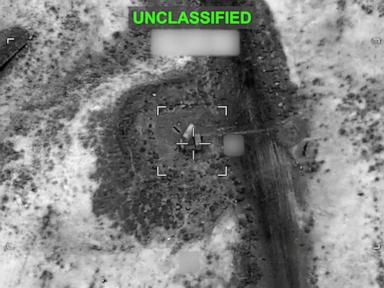
When the dust settles over a smoking compound in the Middle East, the immediate tactical assessment might declare the mission a success. A capability was degraded. A message was sent. Yet, when viewed through the wider lens of global stability, the calculus changes. The degradation of a single military asset is a temporary tactical gain; the collapse of a comprehensive diplomatic framework is a generational strategic loss.
The negotiation table remains in the room, its surface cluttered with abandoned drafts and half-filled water glasses. The delegates have retreated to their respective embassies to consult with their capitals, to draft condemnations, to prepare for the worst. The crisis is not just a headline or a talking point for talking heads on cable news. It is a tangible, heavy silence that settles over the individuals who realized, too late, that they were trying to build a house of cards in the middle of a hurricane.