If you woke up today thinking the "shadow war" between Israel and Iran was still a series of quiet assassinations and cyberattacks, you're living in the past. That era ended on February 28. We're now deep into the fourth week of a high-intensity conflict that’s already claimed over 2,500 lives, decapitated the Iranian leadership, and sent Brent crude screaming past $120 a barrel. This isn't just another flare-up in the Levant; it's a full-scale regional reshuffle.
The current state of play is messy. While the U.S. and Israel managed to take out Supreme Leader Ali Khamenei in the opening hours of Operation Epic Fury, the "quick win" many in Washington hoped for hasn't materialized. Instead, we’re seeing a regime in Tehran that’s cornered, dangerous, and leaning into a strategy of unbridled escalation.
The Current State of the Kinetic War
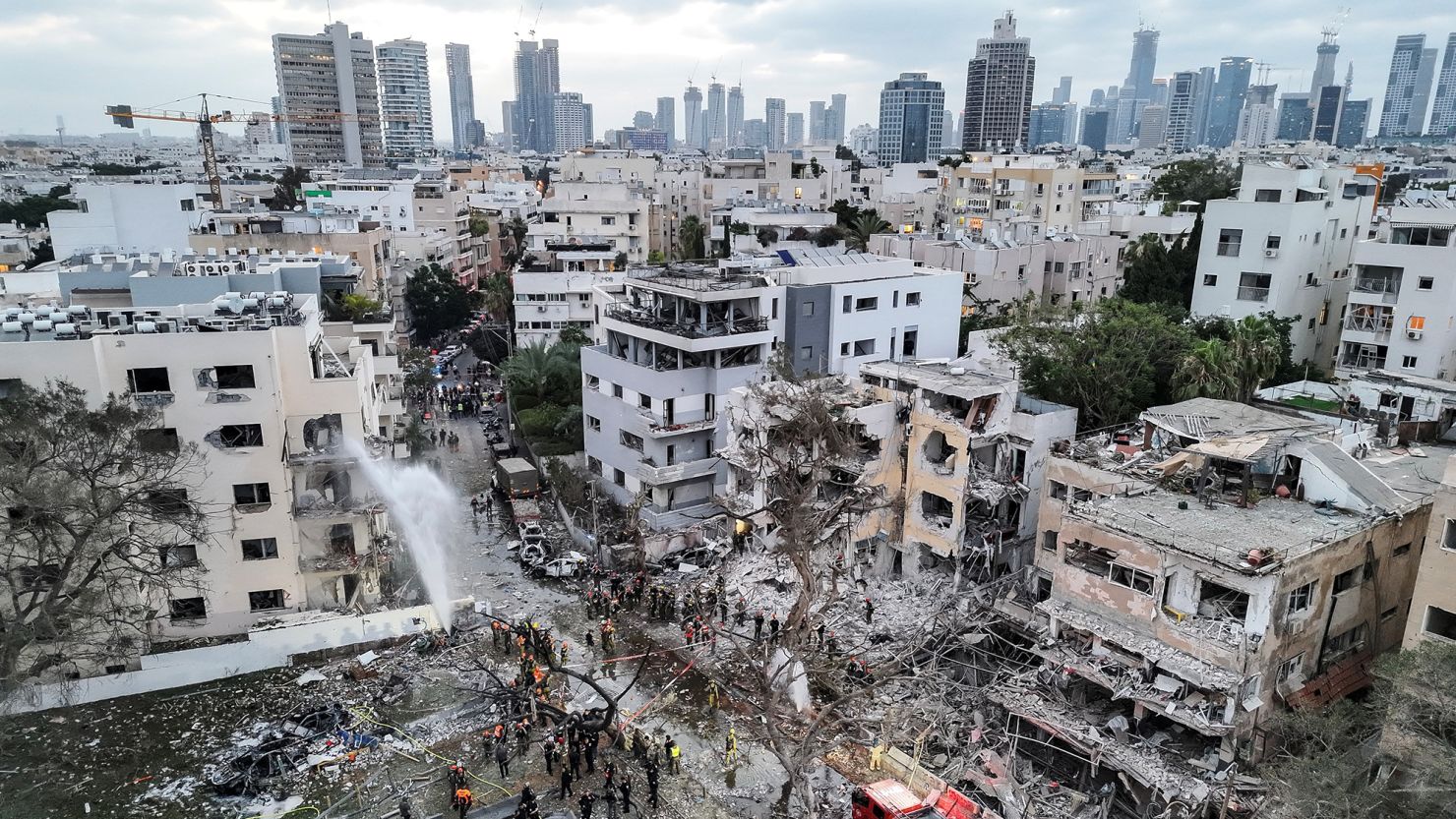
Don't let the headlines about "degraded capabilities" fool you. Iran’s military is bruised, but it’s still biting. Just this Saturday, March 21, Iranian missiles broke through the Iron Dome and Arrow defenses to hit the Israeli cities of Dimona and Arad. Seeing smoke over a nuclear research center in the Negev desert changes the psychological calculus of this war instantly.
The U.S. and Israel have conducted nearly 9,000 strikes since the start of the campaign. They’ve effectively neutralized the Iranian Navy and shredded their air defenses across 26 provinces. But the cost is staggering. Iran’s retaliation has turned the Middle East into a "no-go zone." They aren't just hitting military bases; they're hitting the world's gas tank.
Why the Strait of Hormuz Is the World’s Jugular
If you’re wondering why your local gas station just hiked prices again, look at the 21-mile-wide neck of water between Oman and Iran. Tehran has functionally choked off the Strait of Hormuz. This isn't just about oil anymore.
- Global Energy: Roughly 20% of the world’s oil and a fifth of its Liquefied Natural Gas (LNG) are stuck.
- The Helium Crisis: Most people don't realize that Qatar’s natural gas facilities—now under fire—produce the helium vital for semiconductor manufacturing and MRI machines.
- Supply Chain Collapse: Shipping insurers have basically canceled "war-risk" cover. If you can't insure a ship, it doesn't sail.
Trump’s administration recently blinked, lifting some sanctions on Iranian oil at sea just to keep global markets from a total heart attack. It’s a bizarre contradiction: we’re bombing their infrastructure while hoping their oil still reaches the market to keep $4-a-gallon gas from becoming $7.
The Power Vacuum in Tehran
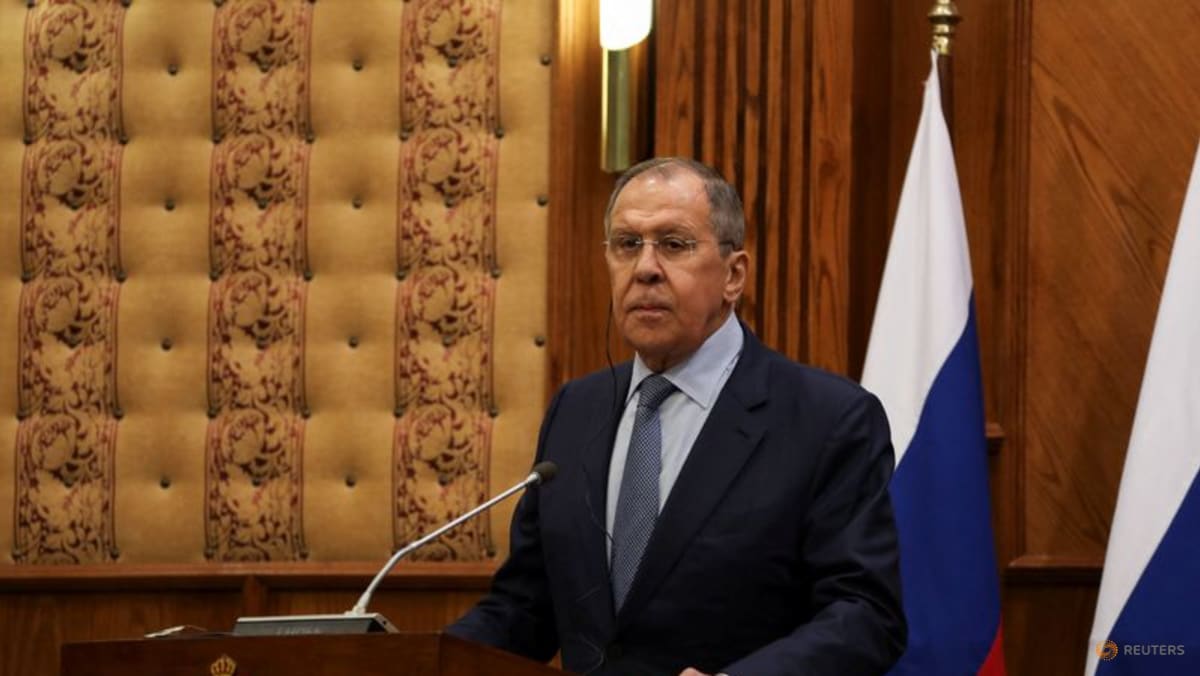
The most significant development isn't on the battlefield; it's in the halls of power. With Ali Khamenei gone, his son Mojtaba Khamenei has moved into the top spot. If the West expected a moderate "thaw" after the old guard was cleared out, they were dead wrong. Mojtaba is doubling down.
His first major decree? Opening "horizontal fronts." He’s dragged Jordan, Azerbaijan, and even Cyprus into the fray by targeting U.S. assets or allies on their soil. It’s a survival tactic. By making the war too expensive and too wide for the international community to stomach, he’s trying to force a mediation that leaves the Islamic Revolutionary Guard Corps (IRGC) in power.
What's Really Happening on the Ground
There’s a lot of talk about a popular uprising. "The Iranian people will rise up and finish the job," is the line coming out of some D.C. think tanks. Honestly, I don't see it happening yet.
Yes, the Iranian public is exhausted. Yes, they’ve faced brutal repression for years. But they're also currently dodging U.S.-Israeli missiles. When a missile meant for a naval base hits a primary school in Minab—as happened in the first 12 hours of the war—it doesn't usually inspire a pro-Western revolution. It creates a vacuum where only the most organized and armed groups survive. Right now, that’s still the IRGC.
The Regional Spillover
It’s not just an Iran-Israel fight anymore.
- Lebanon: Israel is currently battering Beirut’s southern suburbs as Hezbollah tries to maintain its "unity of fronts."
- The Gulf States: Saudi Arabia and the UAE are in a terrifying position. They’re hosting U.S. troops while watching Iranian drones fly toward their desalination plants—the literal source of their drinking water.
- The Global Players: China is the big wildcard. They buy 80% of Iran’s oil. Every day this war continues, Beijing’s energy security takes a hit, but their strategic influence grows as they position themselves as the only "neutral" mediator left.
The Endgame Is a Moving Target
We’re four weeks in, and the exit strategy is non-existent. The U.S. is sending 2,200 more Marines to the region while simultaneously talking about "winding down" operations. You can't have it both ways.
If the goal was to stop Iran’s nuclear program, Saturday’s strikes on the Natanz enrichment facility might have set them back years. But "setting back" a program isn't the same as ending a war. As long as the regime feels its survival is at stake, they have no reason to stop the missile volleys.
If you’re looking for a silver lining, it’s that the original "Epic Fury" strikes were so devastating that Iran’s ability to project power via its Navy is gone. But as we’ve seen in every Middle Eastern conflict of the last thirty years, winning the air war is the easy part. Managing the chaos that follows is where everyone fails.
Watch the Strait. If the Navy can't get those tankers moving in the next 48 hours, the economic war will start hurting a lot more than the kinetic one.
Next Steps to Track:
- Monitor the 48-hour deadline: Trump’s threat to "obliterate" power plants if the Strait doesn't open expires Monday.
- Watch the Helium supply: If QatarEnergy remains under force majeure, expect a massive hit to the tech and medical sectors by May.
- Check the "Triumvirate": Keep an eye on Ali Larijani and the IRGC hardliners; their internal power struggle will dictate if a ceasefire is even possible.