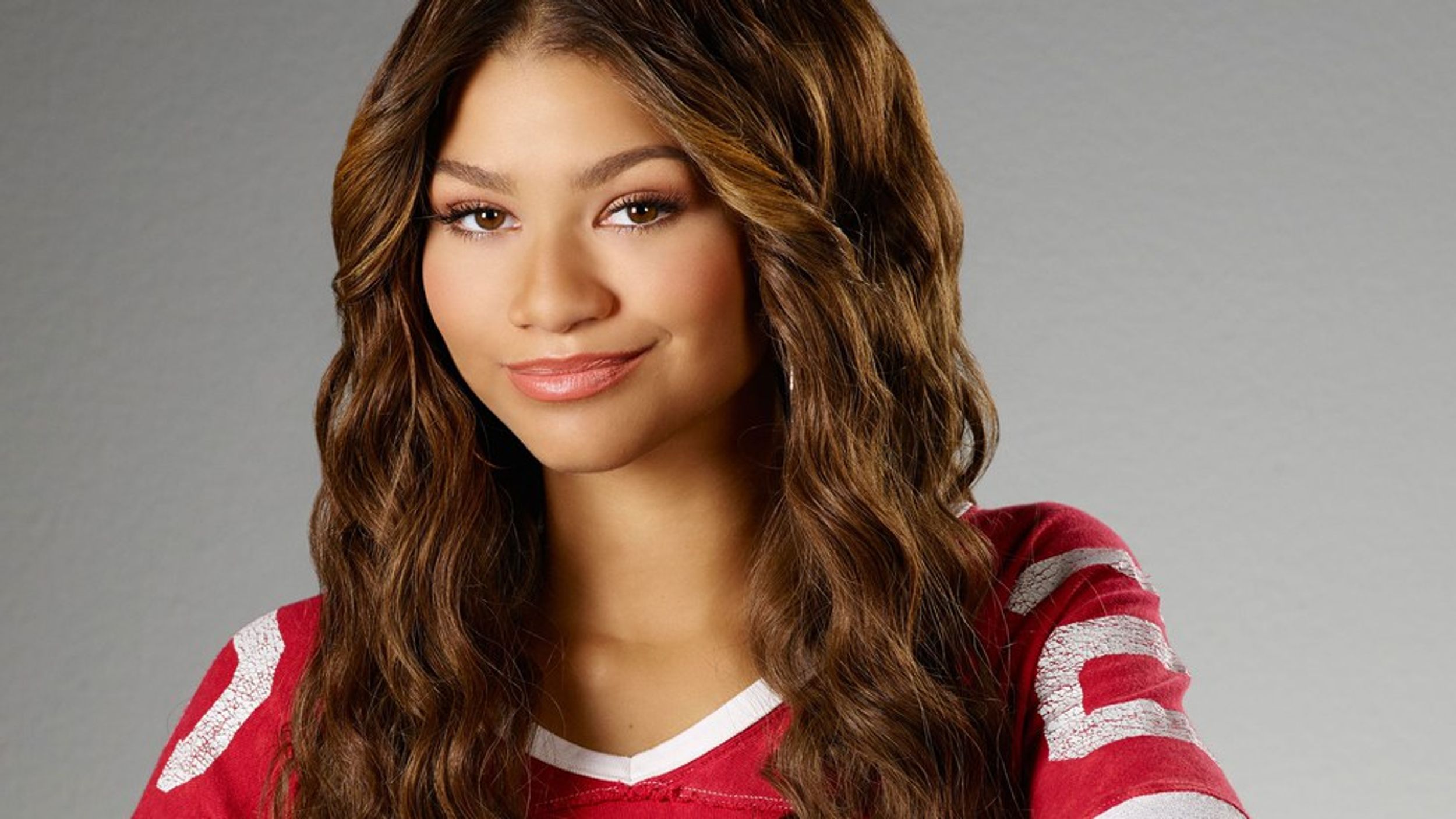
When the first trailer for Spider-Man: Homecoming dropped in 2016, nobody really knew what to make of the girl in the yellow blazer sitting in the back of the cafeteria. She looked bored. She was definitely judgmental. She looked nothing like the "Face it, Tiger" bombshell we’d seen in the comics for fifty years. Fast forward to the end of that movie, and she drops the line: "My friends call me MJ."
Social media basically exploded.
A lot of people were genuinely angry. They wanted the red-headed supermodel. They wanted Kirsten Dunst 2.0 or a comic-accurate Mary Jane Watson. Instead, they got Zendaya as Mary Jane—or rather, Michelle Jones-Watson—a deadpan, politically active loner who sketches people in crisis. But honestly? Looking back from 2026, it’s clear that this version of the character wasn't just a "modern update." It was a calculated, necessary survival tactic for the Spider-Man franchise.
The Identity Crisis: Michelle vs. Mary Jane
Let’s clear something up right now because the "well, actually" crowd loves this topic. Zendaya is not playing Mary Jane Watson. Her name is Michelle Jones-Watson. Kevin Feige, the mastermind at Marvel Studios, has been very explicit about this in interviews. He called it an "homage."
Basically, they wanted the spirit of the MJ dynamic without the baggage of five previous movies' worth of expectations.
In the comics, Mary Jane was the "party girl" archetype. She was the one who hid her trauma behind a constant smile and a wild social life. Zendaya’s MJ is the literal inverse. She hides her vulnerability behind a wall of cynicism and "I don't care" energy. She’s the girl who refuses to go into the Washington Monument because it was "built by slaves." She’s the girl who tracks Peter’s every move but claims she’s just "observant."
It’s a different mask. But it’s still a mask.
Why the change was necessary
If they had just cast a redhead and called her Mary Jane Watson, she would have been compared to Kirsten Dunst every single second. By creating Michelle, the writers gave Zendaya the room to actually act instead of just imitating a blueprint.
- Fresh Dynamics: We’d already seen the "damsel in distress" MJ three times.
- Modern Relatability: Today’s teens aren't necessarily looking for a 1960s-style "cool girl." They relate to the awkward, anxious, and deeply skeptical vibe MJ brings.
- The Mystery Factor: For two years, fans debated whether she was "the" MJ. That conversation kept the movies in the headlines.
How Zendaya as Mary Jane Redefined the "Love Interest"
Most superhero girlfriends exist to be kidnapped. It's a trope as old as time. But in Spider-Man: Far From Home, the dynamic shifted. MJ isn't a prize Peter wins at the end; she’s his equal in the mystery-solving department. She figures out he’s Spider-Man on her own. She doesn't need a grand reveal; she just looks at the facts and says, "Yeah, obviously."
That change is huge.
It makes her a participant in the story. In No Way Home, she’s right there in the "Wizard’s Dungeon," helping manage multiversal villains. She’s not screaming from a collapsing bridge (well, until the end, but even then, she’s doing it with a lot more agency). Her catchphrase, "If you expect disappointment, then you can never really be disappointed," became the unofficial mantra for a whole generation of MCU fans.
It’s cynical, sure. But it’s also incredibly human.
The Chemistry That Sold the Multiverse
We have to talk about the Tom Holland factor. You can't separate Zendaya's performance from the real-life chemistry she has with Tom. It’s rare. Usually, these on-screen romances feel a bit forced, like they're checking a box for the script. With these two, it felt like actual high schoolers fumbling through their first real feelings.
The "broken" Black Dahlia necklace in Far From Home is a perfect example. It’s a weird gift. It’s objectively kind of macabre. But for Zendaya’s MJ, it was perfect. It showed that Peter actually knew her. He didn't buy her roses because he knew she’d find them cliché. He bought her something that matched her weird, dark soul.
The "No Way Home" Gut Punch
The ending of the trilogy changed everything. When Doctor Strange casts the spell to make the world forget Peter Parker, MJ loses every memory of him. The scene in the donut shop at the end of the movie is arguably Zendaya’s best work in the MCU.
She’s wearing the necklace. She has the scar on her head. But she has no idea who this boy is.
The way she looks at Peter—that "lingering sense of recognition" mentioned in the official script—is what makes the tragedy work. If she were just a generic love interest, we wouldn't care. But because we watched her grow from a background extra in Homecoming to the emotional core of the franchise, that memory wipe feels like a personal loss for the audience.
Addressing the "Comic Accuracy" Debate
A lot of purists still argue that Zendaya isn't "their" MJ. And look, if you grew up on the 90s animated series or the John Romita Sr. art, I get it. The red hair and the "Tiger" line are iconic.
But "accuracy" in a 60-year-old franchise is a moving target.
The comics version of MJ has changed dozens of times. She’s been a model, an actress, a club owner, and even a superhero herself (Jackpot). The MCU version took the core idea—the girl who sees through Peter’s mask—and updated it for a world of TikTok, political activism, and Gen Z irony.
Honestly, Zendaya’s version is probably closer to the spirit of the original "unconventional girl" than a literal recreation would have been. In 1966, MJ was "unconventional" because she was a free-spirited hippie. In the 2020s, that same energy manifests as being the sarcastic, socially conscious girl who doesn't fit in with the "popular" crowd.
What's Next for MJ in Spider-Man 4?
The big question everyone is asking as we look toward the future is whether MJ will ever remember Peter. We know Zendaya is expected to return for the next installment. The rumors are everywhere.
Will she get her memories back? Or will they start a completely new relationship from scratch?
There’s a real opportunity here to do something the comics rarely do: let the characters grow up without the "destiny" of their names. If Michelle Jones-Watson falls in love with Peter Parker again, it won't be because the script says "MJ and Peter are soulmates." It’ll be because they actually connect as adults.
Actionable Insights for Fans and Collectors
If you’re a fan of this specific era of Spider-Man, there are a few things you should keep an eye on:
- The Script Details: If you can find the published script for No Way Home, read the stage directions for the final scene. They confirm that MJ still feels "something," which is a huge hint for the next movie.
- Key Issues: Keep an eye on Ultimate Spider-Man (the new 2024 run) and other modern comics. Marvel is clearly being influenced by the MCU's grounded take on the characters.
- Merch with a Message: The "Black Dahlia" necklace is one of the few MCU props that actually carries heavy emotional weight. It’s a great piece for fans who prefer the subtle "if you know, you know" style of fandom.
Zendaya didn't just play a character; she built a new archetype. She proved that you don't need the red hair to be the heart of Peter Parker's world. Whether she’s Michelle or Mary Jane, she’s become the definitive version of the character for a new era of Marvel.
To stay ahead of the curve, keep a close watch on casting news for Spider-Man 4. The way they handle MJ's "forgotten" history will likely define the next decade of the Marvel Cinematic Universe. You might also want to revisit the original 1960s comics to see the parallels between the "hippie" MJ and the "activist" MJ—the similarities are more striking than you’d think.