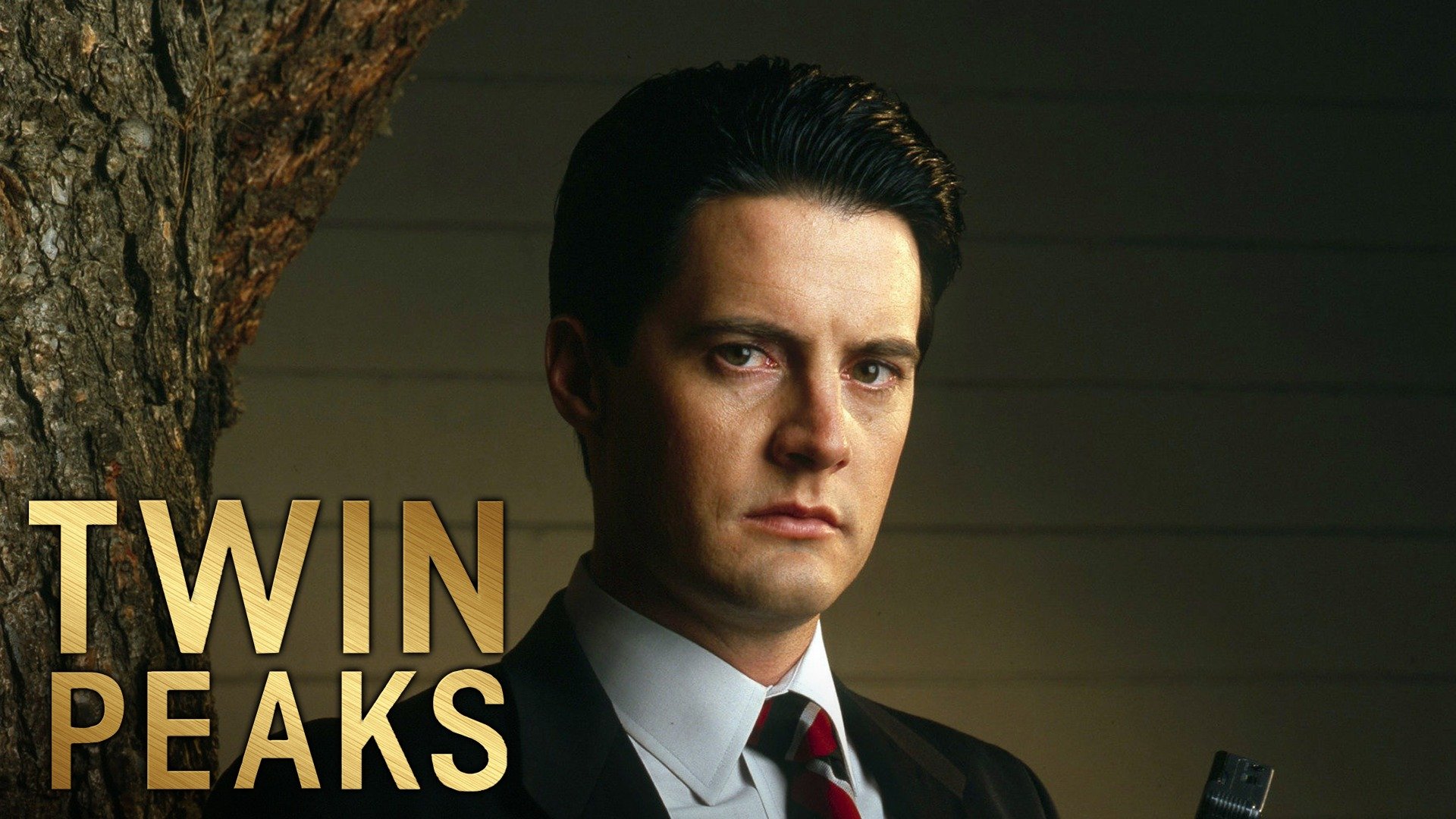
Television changed on April 19, 1990. It wasn't a slow burn. It was a lightning strike. People tuned in to ABC expecting a standard procedural and instead, they got Special Agent Dale Cooper throwing rocks at a glass bottle to narrow down a suspect list.
Twin Peaks episode 2 season 1, officially titled "Zen, or the Skill to Catch a Killer," is the moment the training wheels came off. David Lynch, who directed this specific hour, decided that the mystery of Laura Palmer’s death wasn't just a "whodunit." It was a "how-is-this-happening." If the Pilot introduced the tragedy, Episode 2 introduced the magic. Honestly, if you talk to any die-hard fan today, they don’t point to the premiere as the moment they got hooked. They point to the Red Room.
The Tibetan Method and the Glass Bottle
Most shows use DNA or fingerprints. Dale Cooper uses intuition and geography.
The scene in the woods where Cooper gathers the sheriff’s department is legendary for its absurdity. He explains his dream about Tibet. He talks about the plight of the Tibetan people and how it opened his mind to a subconscious technique of deduction. One by one, he reads names from a list—names of people who were in Laura Palmer's life—and throws a rock at a bottle positioned exactly 60 feet and 6 inches away.
When the rock hits the bottle on the name "Leo Johnson," the glass shatters.
It’s a bizarre sequence. It’s also incredibly important for establishing that Twin Peaks operates on a different frequency than the rest of the world. Sheriff Truman and Deputy Andy look on with a mix of skepticism and awe. You’ve got to love how Lynch treats the bottle breaking not as a joke, but as a genuine forensic breakthrough. It tells the audience: Pay attention to the weird stuff. The weird stuff is the only thing that’s real.
The Red Room: Where Logic Goes to Die
We have to talk about the end of the episode. You know the one.
Agent Cooper is asleep. He’s in a room with red curtains and a chevron-patterned floor. An older version of himself is sitting there. A Little Man from Another Place starts dancing to jazz music. A woman who looks exactly like Laura Palmer whispers the name of the killer into Cooper’s ear.
This wasn't just a dream sequence. It was a cultural reset.
Before Twin Peaks episode 2 season 1, dreams in television were usually just recaps of what the character was worried about. They were literal. Lynch made this dream tactile and terrifying. The backwards-masked dialogue—where the actors learned their lines phonetically backwards and then the footage was reversed—created an "uncanny valley" effect that still feels unsettling thirty-six years later.
I’ve heard people argue that this scene is what gave birth to the "prestige TV" era. Shows like The Sopranos, Lost, and Atlanta all owe a debt to the Red Room. It proved that a mainstream audience could handle abstraction. You didn't need to understand why the man was dancing to feel the dread.
The Horne Family and the One-Eyed Jacks
While Cooper is dreaming, the rest of the town is rotting.
We see more of Audrey Horne in this episode, and Sherilyn Fenn plays her with a desperate, bored brilliance. The scene where she ruins her father’s business deal with the Norwegians by mentioning the murder is classic Audrey. She’s not a villain; she’s a girl looking for any kind of reaction from a father who treats her like furniture.
Then there’s the introduction of the "One-Eyed Jacks" poker chip.
This introduces the seedier underbelly of the town. Twin Peaks isn't just a place with good cherry pie and "damn fine" coffee. It’s a border town with a casino/brothel where the powerful men go to play. Ben Horne and Jerry Horne (played by David Patrick Kelly) are the architects of this corruption. Their relationship is fascinatingly greasy. Watching them eat brie sandwiches while discussing land deals and murder is the perfect contrast to Cooper’s spiritual purity.
Bobby Briggs and the School of Resentment
Let's look at Bobby. People often forget how much screen time the teenagers get in these early episodes.
Bobby Briggs is the quintessential 90s bad boy, but he’s failing at it. He’s crying in his car. He’s terrified. He’s seeing a therapist, Dr. Jacoby, who is wearing 3D glasses and seems more interested in Laura’s sex life than Bobby’s mental health.
The dynamic between Bobby and Mike (his best friend) is almost feral. They bark like dogs. They’re high on cocaine and adrenaline. It’s a very raw portrayal of small-town youth who realize that their "perfect" homecoming queen was actually leading a double life that they couldn't control.
Why Does This Episode Still Rank So High?
If you check IMDB or fan polls, this episode is consistently in the top five of the entire series. Why?
Basically, it's the balance.
Modern shows often lean too hard into the "mystery box" or too hard into the "slice of life." Twin Peaks episode 2 season 1 manages to be a police procedural, a soap opera, a surrealist nightmare, and a slapstick comedy all at once. One minute you're watching a fish in a percolator (a classic Pete Martell moment), and the next you’re watching a demon named BOB crouched at the foot of a bed.
The episode doesn't explain itself. It trusts you.
It assumes the viewer is smart enough to realize that the "Man from Another Place" saying "That gum you like is going to come back in style" is both a prophecy and a threat. It’s a masterpiece of tone.
How to Watch It Today
If you’re revisiting the series, don’t just breeze through this one.
- Watch the shadows. Lynch uses darkness in the corners of the sets to make the rooms feel infinite.
- Listen to the sound design. The humming of the ceiling fans and the distant wind are intentional. It's meant to put you in a light hypnotic state.
- Track the food. Food is always a symbol of comfort or corruption in this show. The donuts at the police station represent order; the dinner at the Hayward house represents the facade of normalcy.
Twin Peaks episode 2 season 1 is the true beginning of the mystery. It’s where the world stopped being two-dimensional. If you want to understand why people are still obsessed with this town, you have to look at the rock hitting the bottle. You have to look at the dancing man.
To dive deeper into the lore, your next step should be a frame-by-frame look at the "Red Room" floor patterns. They reappear in Fire Walk With Me and The Return in ways that completely change the meaning of this early dream. Or, better yet, go back and watch the scenes with the Log Lady in this episode; her cryptic warnings are actually much more literal than they first appear.



