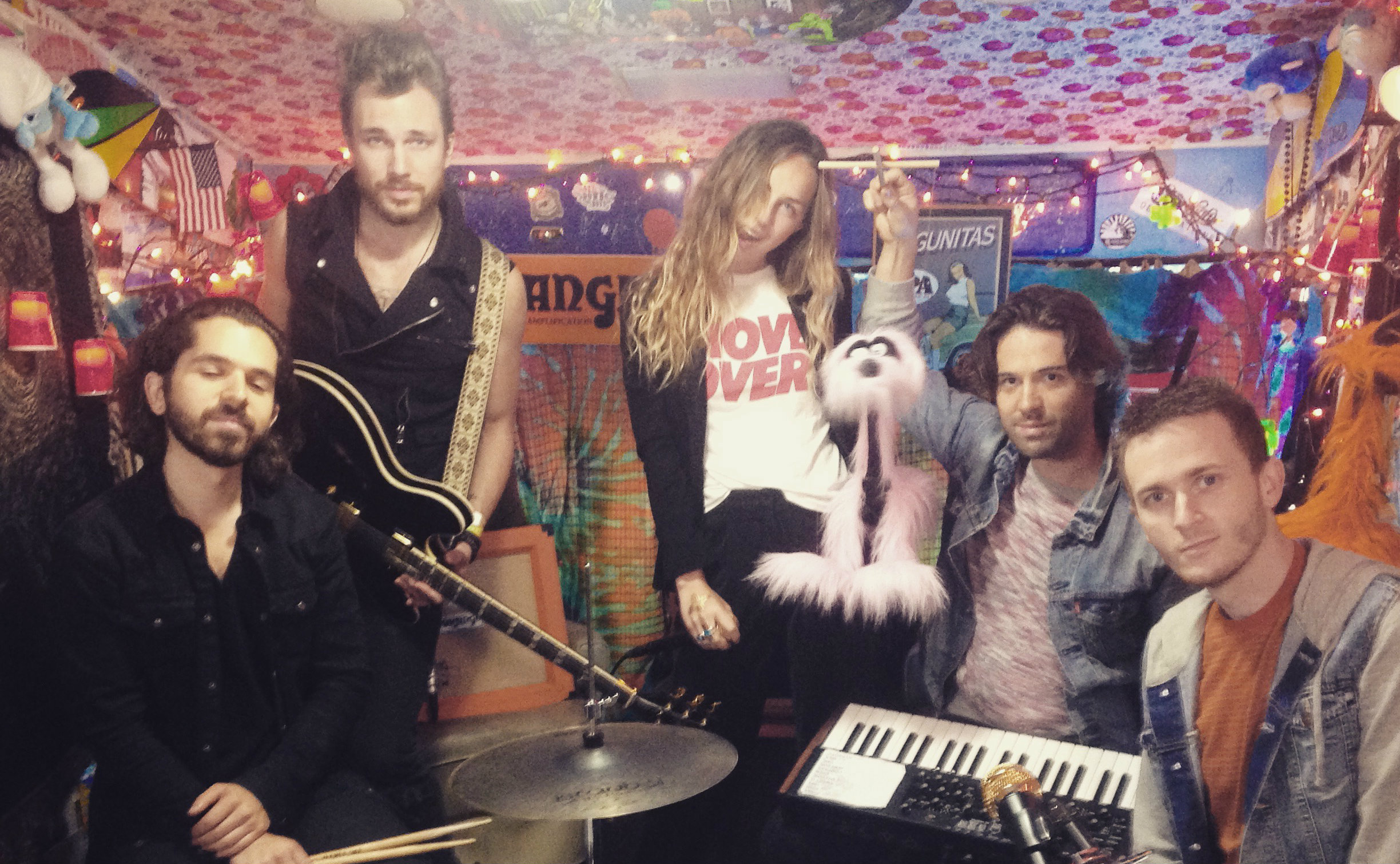
Zella Day is a bit of a ghost in the machine of modern pop. You’ve probably heard her voice without even realizing it, or maybe you saw her name on a Coachella poster years ago and wondered where she went. She’s the girl from Pinetop, Arizona, who somehow managed to bridge the gap between the high-gloss production of Los Angeles and the dusty, bohemian spirit of the 1970s canyon rock era. It’s a weird space to occupy. Most artists pick a lane. They’re either a Top 40 contender or an indie darling, but Zella Day has always sort of floated in the middle, refusing to settle into a predictable rhythm.
Honestly, the music industry didn't really know what to do with her at first. For a deeper dive into similar topics, we recommend: this related article.
When her debut album Kicker dropped in 2015, the world was obsessed with "indie-pop" as a marketing tag. People wanted the next Lana Del Rey or the next Lorde. Zella had the look—vintage furs, wide-brimmed hats, and that "just stepped out of a 1968 film" aesthetic—but the music was surprisingly aggressive. It was loud. It was cinematic. Songs like "Hypnotic" became massive hits on streaming platforms, racking up hundreds of millions of plays, yet there was always this sense that Zella herself was looking for something more authentic than just being a Spotify playlist staple.
The Long Wait for Zella Day and the Freedom of Independence
The gap between her first and second albums felt like an eternity in the "churn and burn" cycle of the digital age. Most fans expected a follow-up to Kicker by 2017 or 2018. Instead, there was silence. Well, not total silence, but a very public shift in how she handled her career. She moved away from the major label machine. This is where most pop stars disappear for good. They lose the funding, they lose the PR muscle, and they fade into the background of "where are they now" articles. For additional information on the matter, comprehensive reporting can be read on Rolling Stone.
Zella didn't fade. She just got better at being herself.
She started hanging out with the Laurel Canyon crowd in earnest. You’d see her performing with Weyes Blood or Lana Del Rey (most notably on that "For Free" cover by Joni Mitchell). She was basically doing an apprenticeship in songwriting, stripping away the electronic layers of her debut and finding the core of her voice. It was a risky move. In a world where "engagement" is everything, taking seven years to release a sophomore album is practically a career suicide note.
But then came Sunday in Heaven in 2022. It wasn't just a collection of songs; it was a statement of survival. Recorded at the legendary Electric Lady Studios with producer Jay Joyce, it sounded like a woman who had finally stopped trying to fit into a mold. It was brassy, weird, and deeply personal.
Why the Arizona Roots Actually Matter
A lot of people think the "desert pop" label is just a gimmick, something a publicist dreamt up to sell records to people who shop at Free People. With Zella Day, it’s actually literal. Growing up in a small town in Arizona, her parents ran a coffee shop called Mor Mor Coffee. It was a hub for local musicians and travelers. If you spend your childhood watching people play acoustic guitars in the mountains, you’re going to develop a different ear than someone raised in a suburban strip mall.
- She started playing guitar at nine.
- By thirteen, she was recording her first independent record.
- She wasn't chasing fame; she was chasing a feeling she’d heard in old Carole King records.
This background is why her music feels "heavy" even when it’s catchy. There’s a grit to it. When you listen to a track like "Mushroom Punch," you’re hearing someone who understands the psychedelic history of the Southwest. It’s not just a pop song; it’s a trip.
Navigating the Major Label Mess
Let's talk about the Hollywood Records era, because it's a cautionary tale. Being signed to a Disney-owned label as a burgeoning indie artist is a strange fit. They wanted hits. They wanted the "Zella Day" brand to be something easily digestible. While Kicker was a great album, you can hear the tug-of-war between her natural instincts and the polished requirements of a major label.
The struggle for creative control is a tired trope in music, but for Zella, it was a literal roadblock. She had to fight to get out of contracts. She had to wait for the right moment to reclaim her masters or at least her creative direction. It’s why her EP Where Does the Devil Hide felt so different. Produced by Dan Auerbach of The Black Keys, it was soulful and gritty. It sounded like it was recorded in a basement in Nashville, not a high-tech studio in Burbank.
The lesson here is simple: if an artist sounds like they’re having more fun on an indie EP than on a big-budget debut, they were probably in the wrong room. Auerbach helped her tap into that "blue-eyed soul" vibe that had been buried under the synth-pop layers of her early 20s.
The Lana Del Rey Connection
You can’t talk about Zella without mentioning Lana. They are often compared, sometimes unfairly. While Lana is the queen of the cinematic "tragic starlet" archetype, Zella is more of a "rock and roll nomad." They became close friends, often performing together. This wasn't just a PR stunt; it was a genuine alignment of two women who were obsessed with the 1960s and 70s.
When they covered Joni Mitchell together at the Hollywood Bowl, it felt like a passing of the torch. It validated Zella in a way that radio play never could. It told the world: "This girl belongs with the poets, not just the pop stars."
The Complexity of Sunday in Heaven
Sunday in Heaven is the record that should have been her third or fourth, but because of the industry drama, it became her "re-introduction." It’s a chaotic record in the best way possible. You have "Am I Even Real?" which is a soaring, existential ballad, and then you have "Radio Silence," which feels like a direct middle finger to the people who tried to keep her quiet.
The production is massive. It’s got strings, it’s got fuzzy guitars, and it’s got Zella’s voice, which has aged like fine wine. It’s deeper now. More controlled. She’s not just hitting notes; she’s telling stories.
I think the reason this album resonated with her core fan base—and finally started catching the eye of critics who had previously written her off—is that it feels lived-in. You can't fake the weariness in a song like "Almost Happiness." You have to actually go through the wringer of the music business to write that.
What Most People Get Wrong About Zella Day
The biggest misconception is that she’s a "retro" act.
Sure, she wears the clothes and likes the analog sound, but her lyrics are very much about the present. She’s writing about modern identity, the anxiety of the digital age, and the weirdness of being a woman in an industry that wants to freeze you in time. She isn't trying to be Stevie Nicks. She’s trying to figure out what Stevie Nicks would have sounded like if she grew up with an iPhone and a record deal she couldn't get out of.
Another myth? That she’s just another "sad girl" singer. If you’ve ever seen her live, you know that’s not true. She’s a powerhouse. She’s got a rock sensibility that is way more aggressive than her studio recordings often suggest. She moves on stage with a kind of jagged energy that’s more Iggy Pop than Joni Mitchell.
The Sound of 2026 and Beyond
As we look at where music is headed, Zella Day is actually ahead of the curve. The "genre-less" movement is in full swing. Listeners don't care if a song is country, pop, or psych-rock as long as it feels honest. Zella’s ability to pivot between a disco-inflected track and a stripped-back folk song is her greatest strength.
She’s also part of a growing movement of artists who are prioritizing longevity over viral moments. She doesn't post on TikTok three times a day because she’s "supposed to." She posts when she has something to say. In the long run, that builds a much more loyal fan base than a thirty-second dance trend ever could.
How to Truly Experience Her Discography
If you're new to her music, don't just start at the beginning. It's better to work backward or jump around to see the range.
- Start with "Hypnotic" just to understand the foundation. It’s the hook that caught everyone’s ear.
- Move to "Mushroom Punch" to see how she’s evolved into a more experimental space.
- Listen to "Golden" for the pure, unadulterated California sunshine vibe.
- Finish with "Dance for Love" to hear the disco influence that she wears so well.
There’s a specific texture to her work that you only notice if you listen on decent headphones. There are layers of percussion and background vocals that get lost on phone speakers. She’s a "producer’s artist" in that sense—everything is intentional.
Actionable Insights for the Independent Artist
Zella Day’s career is a blueprint for anyone trying to navigate a creative field. It’s not about the fastest route to the top; it’s about staying in the game long enough to find your actual voice.
- Don't fear the quiet periods. If you aren't inspired, don't force the output. The world doesn't need more mediocre art; it needs your best work.
- Collaborate with people who challenge you. Moving from pop producers to Dan Auerbach and Jay Joyce changed the trajectory of her sound.
- Ownership is everything. Whether it's your masters or just your creative "brand," don't sign it away for a quick check.
- Build a community, not just a following. Zella’s connection to other musicians (Lana Del Rey, Weyes Blood, etc.) provided a support system that kept her relevant during her hiatus.
The story of Zella Day is still being written. She isn't a "has-been" or a "one-hit wonder." She’s an artist who survived the meat grinder of the 2010s music industry and came out the other side with her soul intact. That’s a lot harder to do than it looks.
If you want to support her, go see a live show. That’s where the desert pop magic actually happens. You’ll see the fringe, you’ll hear the soaring vocals, and you’ll realize that the girl from Pinetop was never really a pop star to begin with—she’s a lifer.
Keep an eye on her social channels for vinyl represses of Kicker, as those have become collector's items that sell for hundreds on the secondary market. Also, watch for her unreleased "vault" tracks that she occasionally teases during live sets; there's an entire album's worth of material from the "lost years" that fans are still begging for. Follow her official newsletters rather than just relying on Instagram algorithms, as she tends to announce her most intimate "secret" shows there first.



