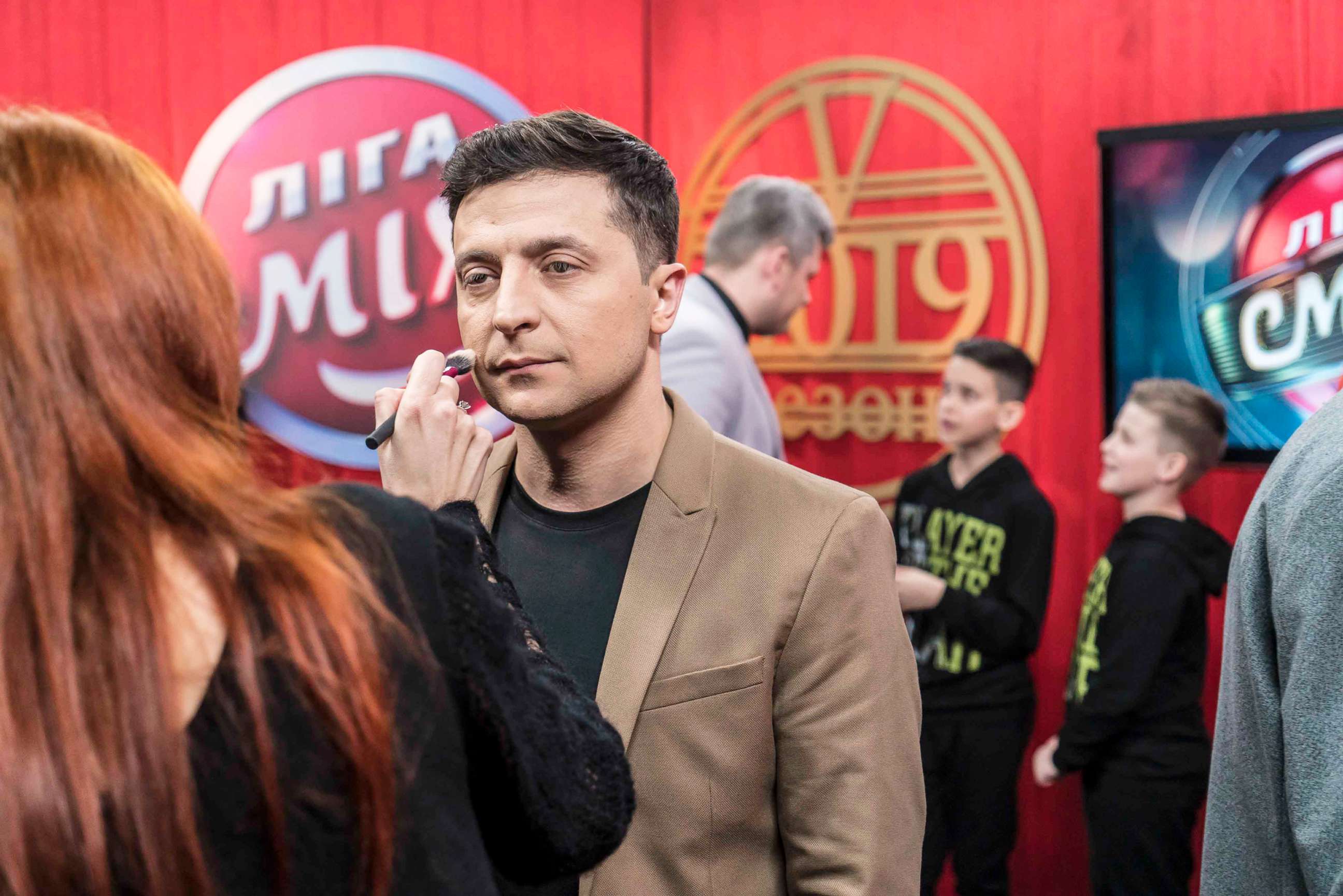
Nobody really expected the guy who played a piano with his pants down to become the face of modern democracy. It sounds like a bad movie pitch, right? But for anyone who actually watched Volodymyr Zelenskyy during his two decades in the spotlight, the transformation wasn't some fluke. It was a calculated, high-stakes evolution from a kid doing improv in industrial Kryvyi Rih to a media mogul who literally wrote his own future into a script.
Most Westerners first "met" Zelenskyy through a shaky phone call with Donald Trump or, more likely, during the terrifying early days of February 2022. By then, the comedian was gone. Or so it seemed.
Actually, the "comedian" was exactly why he didn't run when the tanks rolled in.
The KVN Years and the Birth of an Empire
Zelenskyy didn’t just tell jokes; he built a factory. It all started with KVN (Klub Vesyólykh i Nakhódchivykh), which is basically the post-Soviet version of Saturday Night Live on steroids. It’s a competitive comedy league where teams from different cities battle it out with skits and songs.
He was just 17 when he joined. He wasn't the tallest guy on stage, but he had this rasp in his voice and an energy that felt like he was constantly plugged into a wall outlet. By 1997, he’d formed Kvartal 95. They weren't just funny; they were professional. While other teams were happy with local fame, Zelenskyy was looking at the business model.
From Skits to Studio Kvartal 95
Eventually, KVN got too small. He fell out with the Moscow-based organizers—something about creative control—and headed back to Kyiv. This is where he turned a comedy troupe into Studio Kvartal 95, which became the most successful production house in Ukraine.
We aren't talking about a small club act. He was producing:
- Full-length feature films (mostly romantic comedies like 8 First Dates)
- TV variety shows (Evening Kvartal)
- Animation and musicals
- Corporate events for the very oligarchs he would later mock
The guy was a workaholic. He was the CEO, the lead writer, and the star. Honestly, his "comedian" label is a bit of a misnomer—he was a media executive who happened to be hilarious.
The "Servant of the People" Strategy
In 2015, the line between fiction and reality didn't just blur—it evaporated. Zelenskyy starred in a show called Servant of the People. He played Vasyl Holoborodko, a high school history teacher who gets caught on camera R-rating a rant about government corruption. The video goes viral, his students crowdfund his campaign, and suddenly, the "ordinary guy" is president.
It was a massive hit. Around 20 million Ukrainians watched it. Think about that. That's nearly half the country.
The show wasn't just slapstick. It was a brutal, satirical take on how the "system" works. It showed the shady backroom deals, the ridiculous luxury of the elites, and the frustration of the average person who just wants the potholes fixed without paying a bribe.
When the Script Became a Campaign
By 2018, people were asking, "Why can't we just have the guy from the show?"
So he gave them the guy.
He registered a political party called—wait for it—Servant of the People. His campaign was basically a long-form improv set. He didn't do traditional rallies. He didn't do boring policy debates on talk shows. Instead, he toured the country with his comedy troupe. He did "Vlogs" on Instagram. He made the existing politicians look like stiff, outdated relics from a different century.
Why Being a Comedian Made Him a Better Leader
There’s a common misconception that being a comedian means you aren't serious. In reality, comedy is about timing, empathy, and reading the room.
If you're a stand-up and the audience hates you, you have to pivot in seconds. You have to understand what they're feeling before they even say it. When the full-scale invasion started, Zelenskyy didn't give a dry, bureaucratic speech. He used his "performer" skills to talk directly to the camera—and the world.
- The "I need ammunition, not a ride" line? That’s a perfect punchline. It’s short, punchy, and impossible to forget.
- The nightly videos? That’s the "vlog" format he perfected during his campaign.
- The wardrobe? He knows how costume defines a character. Swapping the suit for olive drab wasn't an accident; it was branding that resonated with every person in a trench.
He used humor as a "language of healthy people," as he once put it. Even in the darkest moments, he knew that a well-timed joke or a moment of shared humanity could do more for morale than a thousand-page white paper.
The Critics: Was it All an Act?
You've gotta look at the flip side. Before the war, his approval ratings were actually tanking. Being a good "showman" doesn't always translate to being a good "administrator."
Critics pointed out that he filled government spots with his old buddies from Kvartal 95. His "Chief of Staff," Andriy Yermak, was a film producer. His childhood friend Ivan Bakanov was put in charge of the SBU (the security service). People were worried that the country was being run like a TV studio rather than a democracy.
There were also the ties to Ihor Kolomoisky, the billionaire who owned the TV channel that aired his shows. For a guy who campaigned on "ending the oligarchs," the optics were... messy.
But then, history intervened. The "performer" met a moment that required a different kind of performance.
What You Can Learn From the Zelenskyy Arc
If you’re looking at his story as just a weird bit of trivia, you're missing the point. Zelenskyy’s career shows the power of narrative. He didn't just win an election; he told a story that a whole nation wanted to be part of.
Actionable Insights from his transition:
- Master the Medium: Zelenskyy didn't fight for space on traditional news; he built his own platforms on YouTube and Instagram. Don't wait for an invite to the table—build your own table.
- Speak Human: He ditched the "political-speak" for the language of the dinner table. If you want to lead, you have to be understood.
- Authenticity is a Tool: Even if it’s "staged," a leader who appears vulnerable or "ordinary" (like the teacher in his show) will always outshine a leader who acts like a statue.
- Know Your Audience: His speeches to the UK Parliament, the US Congress, and the Grammy Awards are all different. He tailors the message to the "room" just like a touring comic.
Zelenskyy’s comedy career wasn't a "distraction" from his presidency—it was the training ground. He learned how to communicate, how to build a brand from scratch, and how to stay calm when the "audience" is hostile.
Whether you agree with his politics or not, you can't deny that the guy knows how to hold a stage. And right now, the stage happens to be the entire world.
Next Steps for Deepening Your Knowledge:
- Watch the Pilot: Search for Servant of the People on streaming services (many have it with subtitles). Pay attention to the "rant" in the first episode; it's the DNA of his entire political career.
- Analyze the Speeches: Compare his address to the US Congress with his speech to the European Parliament. Look for how he uses "local" references—the hallmark of a seasoned touring comedian—to win over specific crowds.
- Research Kvartal 95: Look up their old "Evening Kvartal" sketches on YouTube. Even if you don't speak the language, the physical comedy and the reactions of the live audience tell you everything you need to know about his connection to the Ukrainian people.



