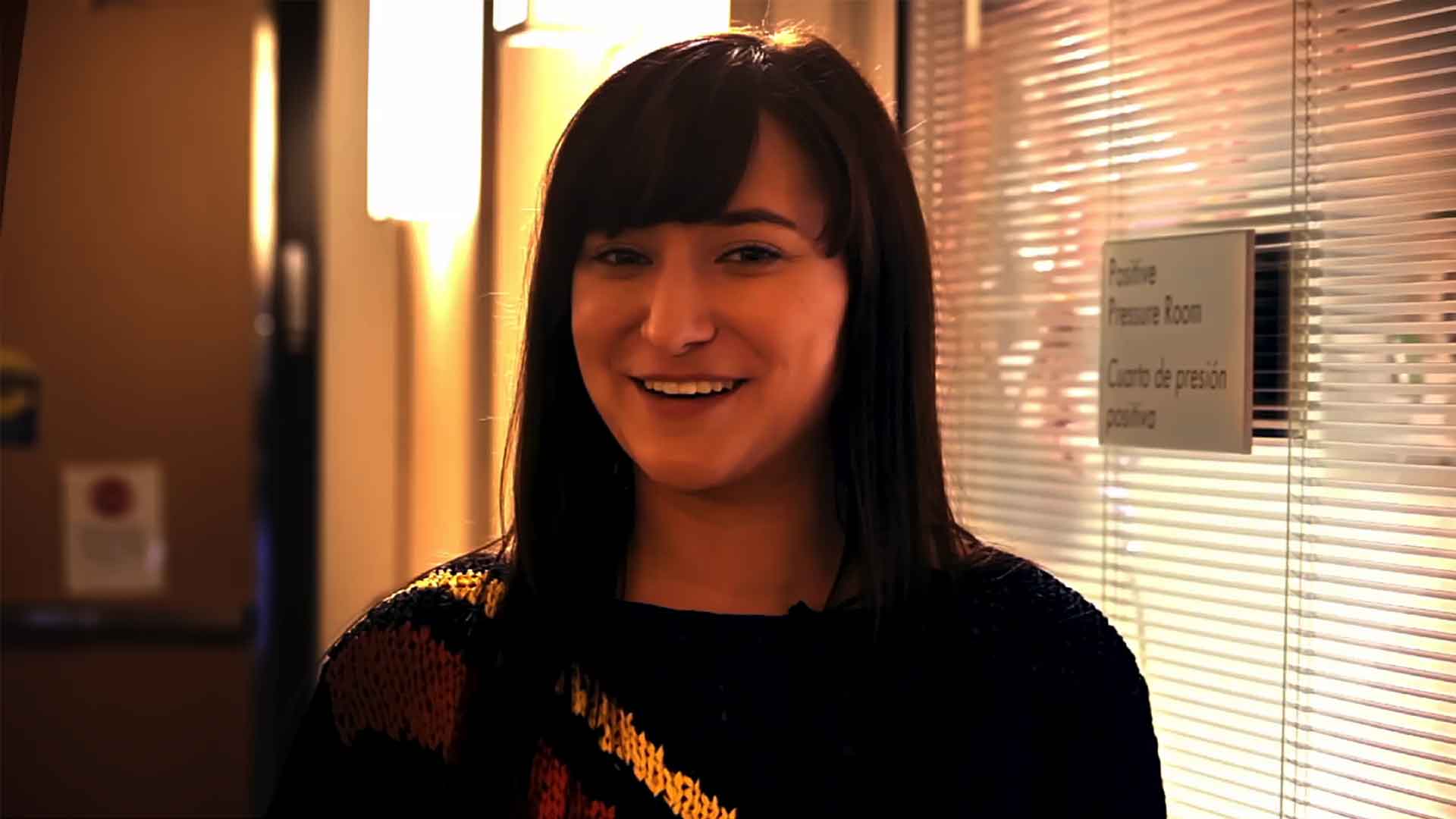
If you only know Zelda Williams as the daughter of the late, great Robin Williams, you're honestly missing the point. For years, she’s been grinding in the industry, carving out a space that feels entirely her own. She didn't just walk onto A-list sets because of her last name. In fact, her parents famously kept her away from child stardom, only letting her take small extra roles—like in Nine Months (1995)—until she was old enough to handle the business herself.
Since then, she’s built a filmography that leans into the weird, the vocal, and lately, the directorial. Zelda Williams movies and tv shows aren't your typical blockbuster fare. They are quirky. They are often dark. And they show an artist who is clearly more interested in "cool" than "famous."
The Voice That Defined a Villain
Most people who talk about her career start with her face, but a huge chunk of her best work is actually just her voice. If you grew up watching The Legend of Korra, you know her as Kuvira.
She wasn't just a "bad guy" in that show. She voiced a complex, terrifyingly competent military dictator. It’s arguably one of the most iconic voice-acting roles in modern animation. Zelda brought a certain steeliness to Kuvira that made the character feel grounded and dangerous.
She’s basically a staple in the voice-acting world now. You’ve probably heard her in:
- Rise of the Teenage Mutant Ninja Turtles (she played the Foot Recruit/Cassandra Jones).
- Transformers: EarthSpark (where she took on the role of Spitfire).
- Teenage Mutant Ninja Turtles (2012 series) as Mona Lisa.
- King’s Quest (the 2015 video game) as Amaya Blackstone.
Voice acting is a different beast. You can't rely on a famous face or a recognizable smile. You just have the mic. The fact that she’s thrived here for over a decade says a lot about her actual craft.
Breaking Out of the "Daughter of" Shadow
Her live-action work has always been a bit indie-leaning. Back in 2008, she starred in Were the World Mine, a musical fantasy that’s become something of a cult favorite in the LGBTQ+ community. She played Frankie, and even then, she was choosing projects that had a specific, often subversive, message.
Then there was Dead of Summer in 2016. In that Freeform horror series, she played Drew Reeves, a trans man. This was a pretty big deal at the time, and Zelda handled the role with a lot of nuance. She’s always been vocal about advocacy, and her choice of roles usually reflects that.
A Quick Look at Her Notable Acting Credits:
- House of D (2004): One of her earlier roles, where she actually appeared alongside her father.
- Noobz (2012): A comedy centered around the world of competitive gaming (Zelda is a huge gamer in real life, so this fit).
- Girl in the Box (2016): A much darker, intense TV movie where she played Janice Hooker.
- Teen Wolf: She appeared as Caitlin, a recurring character who was a love interest for some of the main cast.
The Big Shift: Directing "Lisa Frankenstein"
The real turning point for Zelda happened recently. She moved behind the camera. Her feature directorial debut, Lisa Frankenstein (2024), was a neon-soaked, 1980s-inspired horror-comedy written by Diablo Cody.
Honestly, it was a match made in heaven.
Zelda has this "weird-girl" aesthetic that perfectly complemented Cody’s "coming-of-rage" script. The movie stars Kathryn Newton and Cole Sprouse, and while it wasn't a massive box office juggernaut, it immediately found its people. It’s campy, it’s bloody, and it feels like a 1980s cult classic that was lost in a time capsule.
People were surprised by how confident the directing was. It didn't feel like a "first" movie. Zelda mentioned in interviews that she grew up on sets, watching her dad work with legends, and she absorbed that "calm energy" you need to run a production. She’s not just an actress who decided to try directing on a whim; she’s a filmmaker who spent years writing (she once mentioned writing 12 scripts in a single year) before getting her shot.
What’s Next for Zelda?
As of 2026, Zelda is leaning even harder into the creator role. While the internet is currently buzzing about the live-action The Legend of Zelda movie (which, ironically, she is not starring in, despite being named after the princess), she is busy carving out her own lane.
She’s recently been involved in the 28 Years Later universe, specifically the project 28 Years Later: The Bone Temple (2025/2026). In this Nia DaCosta-directed epic, she plays Spike, a survivor in a post-apocalyptic community. It's a pivot back to grit, showing that she can still carry a physical, intense role when the script is right.
But the real excitement is in what she’ll direct next. After Lisa Frankenstein, she’s proven she has a visual style that stands out in a sea of "safe" studio movies. She likes shadows, bright colors, and characters who don't quite fit in.
Why Her Career Matters Right Now
In an era of "nepo baby" discourse, Zelda Williams is a bit of an outlier. She’s handled the legacy of her father with incredible grace, protecting his memory while refusing to let it be the only thing people talk about.
If you want to see her best work, don't just look for the big names. Look for the projects where she’s playing a villain, a misfit, or calling the shots from the director's chair.
Actionable Insights for Fans and Aspiring Creators:
- Watch the Evolution: Start with Were the World Mine, move to The Legend of Korra, and finish with Lisa Frankenstein. You’ll see the progression from indie actor to powerhouse voice to stylized director.
- Follow the Voice: If you’re a gamer or animation fan, her credits in Transformers and TMNT are top-tier examples of modern voice work.
- Support Indie Vision: Lisa Frankenstein is the blueprint for how she wants to make movies. If you like that vibe, keep an eye on production companies like OddBall Entertainment or her future collaborations with writers like Diablo Cody.
Zelda Williams is no longer just "Robin's daughter." She’s a director with a distinct voice and an actress who isn't afraid to get her hands dirty in the darker corners of genre film.



