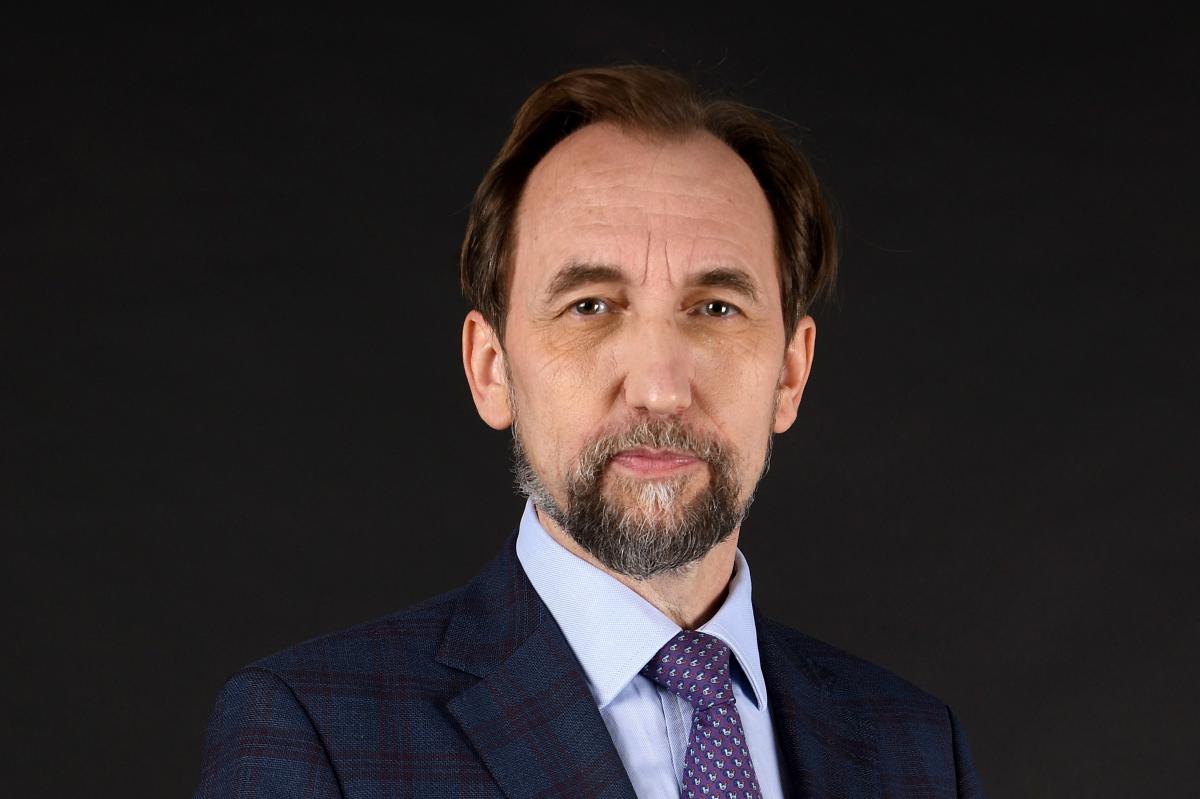
Honestly, if you’ve ever followed UN politics, you know it’s usually a sea of beige suits and "deeply concerned" press releases that don't actually say anything. Then there’s Zeid Ra’ad Al Hussein.
He basically broke the mold.
In a world where international diplomats usually treat the five permanent members of the Security Council like untouchable royalty, Zeid—as he’s commonly known—decided to call them out for being "second only to criminals" in their responsibility for global suffering. Bold? Definitely. Risky for his career? You bet.
But that's the thing about Zeid Ra’ad Al Hussein. He wasn't there to make friends. He was there to be a "mouthpiece" for people who don't have one. Whether it was standing up to the Trump administration or calling out the "slaughterhouses" in Syria and Myanmar, he brought a level of raw, unfiltered honesty to the United Nations that we rarely see.
The Man Behind the Title
Before he was the UN High Commissioner for Human Rights, Zeid was a prince and a policeman. Born in Amman, Jordan, in 1964, he’s technically a member of the Hashemite family. He’s got the pedigree—Johns Hopkins, a PhD from Cambridge—but he also has the dirt-under-the-fingernails experience. In the mid-90s, he was a civilian peacekeeper in the former Yugoslavia during the war.
That changed him. Seeing genocide up close isn't something you just "move on" from.
He spent years after that trying to make sure the world had a way to actually punish war criminals. He was a central figure in setting up the International Criminal Court (ICC). He literally chaired the negotiations that defined what counts as genocide and war crimes. Without his push, the legal "teeth" of the international community would be a lot duller today.
Why He Didn't Get a Second Term (and Why He Was Happy About It)
People often wonder why he only served one term as the human rights chief (2014–2018). Usually, these guys stay for two.
The math is simple but depressing. To get a second term, the UN Secretary-General has to check in with the "P5"—the US, China, Russia, France, and the UK. If any of them are mad at you, you're out. And by 2018, Zeid had managed to annoy basically all of them.
He wouldn't "emasculate" himself—his words—to stay in the job. He knew that if he wanted to stay, he’d have to stop talking about the Uyghurs in China, or the LGBTQ+ crackdown in Chechnya, or the xenophobia rising in the West. He chose the truth over the paycheck.
Kinda refreshing, right?
Where is Zeid Ra’ad Al Hussein in 2026?
He hasn't exactly retired to a beach. Today, he’s wearing a few different hats that keep him right in the middle of the global conversation.
- The International Peace Institute (IPI): As President and CEO, he’s steering one of the most influential think tanks in the world. They aren't just writing papers; they’re trying to figure out how to stop wars before they start.
- The Elders: He’s a member of this elite group founded by Nelson Mandela. He’s working alongside people like Mary Robinson and Ban Ki-moon to tackle "existential" threats like climate change and nuclear proliferation.
- University of Pennsylvania: He’s a Professor of Practice at Perry World House. If you’re a student there, you’re basically getting a masterclass in how the world actually works from a guy who’s been in the room where it happened.
The New Battle: AI and Human Rights
As we move through 2026, Zeid has shifted a lot of his focus toward something that sounds like sci-fi but is very real: Artificial Intelligence.
He’s been vocal about how AI in counter-terrorism is a total minefield. We’re talking about automated filtering, threat detection, and surveillance that can scale up human rights abuses at a speed we've never seen. He’s pushing for a world where we don’t just let the tech run wild, but actually build "meaningful human oversight" into the code.
He often points out that everyone is against "tyranny" in the abstract, but when a machine is doing the oppressing, it's a lot harder to hold anyone accountable.
What Most People Get Wrong
A big misconception is that Zeid is just a "Western-leaning" critic.
Actually, he’s been one of the loudest voices saying that human rights aren't a "Western" invention. He’s argued—quite famously—that you never hear the victims of torture saying that human rights are a foreign concept. It’s only the people doing the torturing, or the governments protecting them, who make that argument.
He’s also been a massive critic of UN peacekeeping itself. He wrote the "Zeid Report" back in 2005, which was a revolutionary look at how to stop sexual exploitation and abuse by UN troops. He’s a guy who loves the UN enough to admit when it’s failing.
Actionable Insights: What Can We Learn From Him?
Zeid Ra’ad Al Hussein’s career isn't just a resume; it's a blueprint for ethical leadership in a messy world. If you’re looking to apply his "straight-talker" approach to your own life or work, here’s how:
- Prioritize Integrity Over Tenure: Zeid proved that walking away with your principles intact is better than staying in power by compromising them. Ask yourself: "What is the one thing I won't stay silent about, even if it costs me the job?"
- Focus on the Victim, Not the Politics: In any conflict—whether it’s office politics or global crises—Zeid’s North Star is always the person being marginalized. If you base your decisions on who has the least power, you’re rarely on the wrong side of history.
- Language Matters: He famously ditched "diplomatese" for plain English. Being clear and direct isn't just about being "tough"—it’s about being honest so that problems can actually be solved.
- Embrace the Tension: He once said that human rights work creates a tension he never felt in traditional diplomacy. If you’re doing something meaningful, it’s probably going to be uncomfortable. Don't run from the friction; use it.
Zeid Ra’ad Al Hussein remains a vital figure because he reminds us that the "international community" isn't some abstract machine. It's made of people. And if those people don't have the moral courage to speak up, the whole system just becomes a hollow shell. In 2026, as AI and new wars test our limits, his brand of "straight-talking" is exactly what we need more of.
To stay updated on his current work, you can follow the latest reports from the International Peace Institute or check out the ongoing initiatives of The Elders regarding global governance reform.