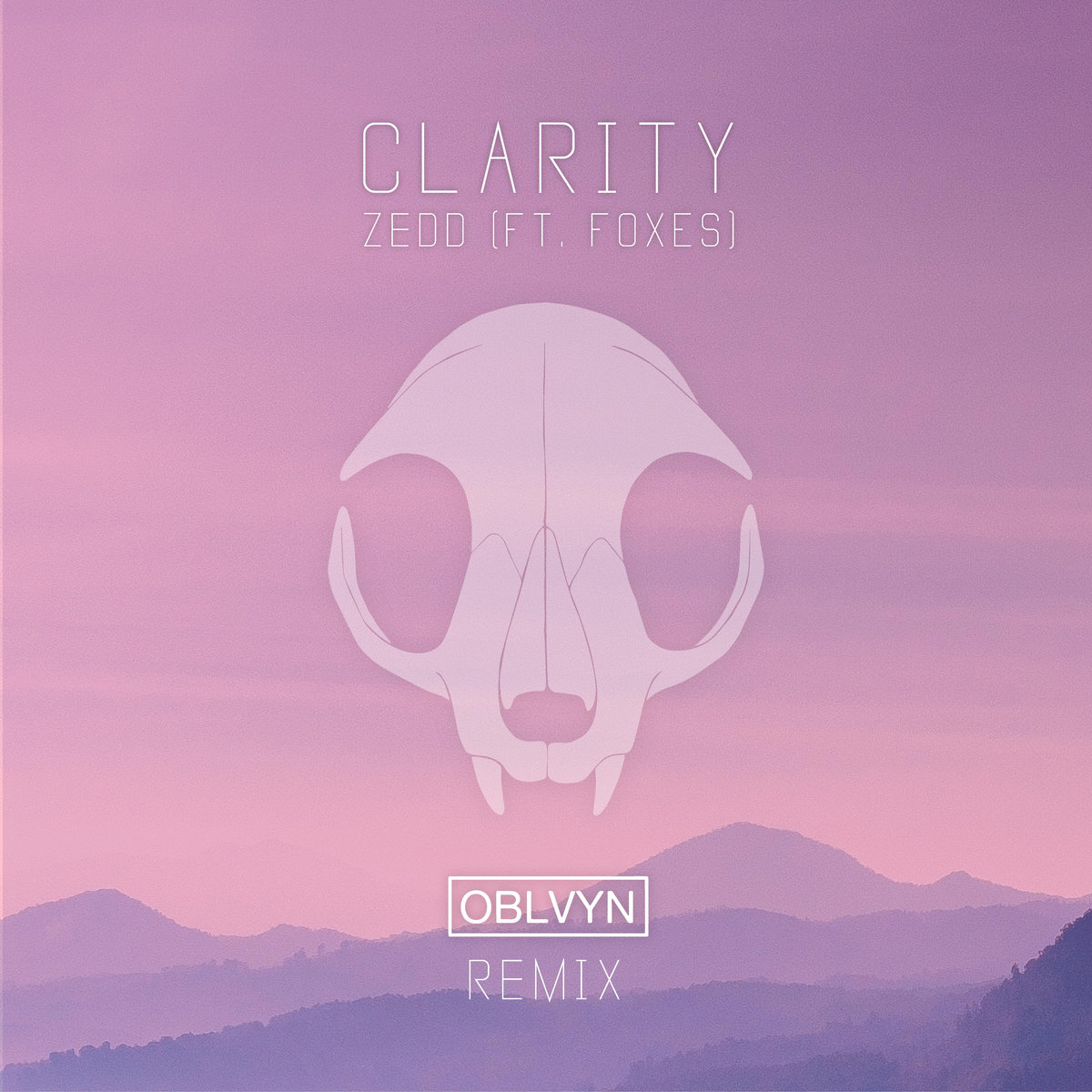
It was 2012. EDM wasn't just music; it was a total cultural takeover. Neon tank tops were everywhere, and every DJ was trying to out-thump the next guy with the heaviest bass drop. Then came Zedd feat Foxes Clarity, a track that basically rewrote the rules for what a dance anthem could be. Honestly, it didn't just climb the charts. It stayed there.
Why?
Because it had something most of those "fist-pumping" tracks lacked: a soul. While everyone else was focused on making the loudest noise possible, Zedd (Anton Zaslavski) was busy layering complex classical melodies over a beat that felt like a punch to the chest. It was emotional. It was catchy. It was, frankly, unavoidable.
The Weird Way It Actually Started
You’d think a massive hit like this was meticulously planned in a high-tech studio for months. Nope. It actually started as a discarded vocal.
Zedd originally had a melody in mind for a different track called "Lost at Sea" with Matthew Koma. That didn't quite pan out. But the bones of what would become the chorus were too good to throw away. He eventually teamed up with Koma, Porter Robinson, and Skylar Grey to finish the writing. That's a serious lineup. It's like the Avengers of 2010s electronic music.
Finding the voice was the hard part.
Zedd heard a song called "Youth" by an English singer named Foxes (Louisa Rose Allen). He didn't call her manager or send a formal letter. He hit her up on Skype. Foxes later admitted she had to look him up on Wikipedia to see who he even was before saying yes. Talk about a lucky click.
That Production Secret Nobody Mentions
If you listen closely to the bridge—that big build-up before the final explosion—there’s this shimmering, infinite vocal texture. It sounds like a thousand ghosts singing in harmony.
That isn't a synthesizer.
It's actually Zedd and his team’s own voices, stretched out using a niche plugin called PaulStretch. He recorded every single syllable and note, then used the software to "infinitely" stretch the audio until it became a stereo wash of sound. It gives the song that ethereal, "frozen in time" feeling right before the drop hits.
The Numbers Don't Lie
- Release Date: November 14, 2012 (though it peaked way later).
- Grammy Win: Best Dance Recording (2014).
- Chart Peak: #8 on the Billboard Hot 100.
- Certifications: 7x Platinum in the US.
Most EDM tracks from that era feel dated now. They sound like old ringtones. But Zedd feat Foxes Clarity still gets played at weddings, festivals, and grocery stores. It has this weird staying power. The song is written in $A\flat$ major and sits at a steady 128 BPM, the "golden ratio" for house music.
Why the Lyrics Still Mess With Your Head
The lyrics are kind of dark for a "party" song. "If our love is tragedy, why are you my remedy?" It’s a song about a toxic relationship that you just can’t quit. It’s about the "crash" you know is coming but you "hold still" anyway.
Foxes delivered those lines with a rasp and an urgency that made you believe her. She wasn't just a "featured vocalist" to be swapped out; her voice is the identity of the song. Interestingly, the music video directed by Jodeb literalized this by showing a head-on car collision in slow motion. It was dramatic, messy, and perfect for the Tumblr era.
The Legacy (And What You Should Do Now)
Look, Zedd has had other hits. "Stay," "The Middle," "Starving"—they all did numbers. But none of them have the architectural perfection of this track. It was the bridge between the underground "blog house" scene and the massive pop-EDM crossovers we see now.
If you haven't revisited the track lately, do yourself a favor:
- Listen to the Acoustic Version: Zedd and Foxes did a stripped-back version that proves the songwriting holds up even without the drums.
- Check out the Remixes: The Tiësto Remix is a classic, but the Style of Eye remix is the "if you know, you know" choice for actual club DJs.
- Watch the David Letterman Performance: They performed it with a live band and a string section, which was unheard of for EDM at the time.
Ultimately, Zedd feat Foxes Clarity isn't just a nostalgia trip. It’s a masterclass in how to blend technical production with genuine human emotion. It's the reason we still care about Zedd's new music over a decade later.
To get the most out of the track's history, look up the original "Spectrum" (featuring Matthew Koma) to see the evolution of Zedd’s signature sound before he became a household name. You’ll hear the same classical influence that made his debut album such a standout.



