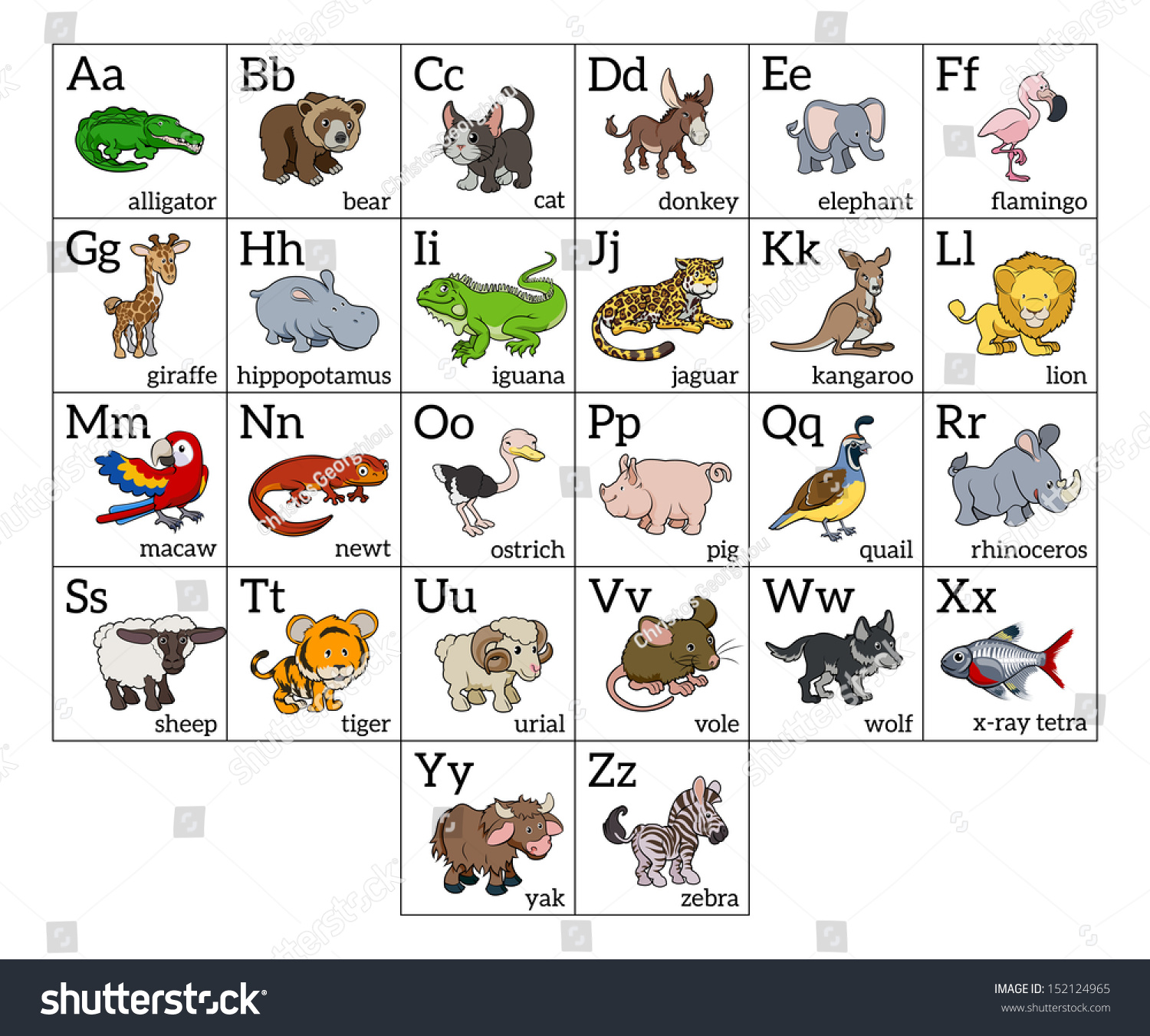
Everyone knows the zebra. It’s the poster child for the end of the alphabet, the black-and-white icon of every toddler's picture book, and basically the only reason the letter Z gets any respect in the animal kingdom. But honestly, if you think the list of animals that start with Z begins and ends with a striped horse, you’re missing out on some of the most bizarre evolutionary experiments on the planet. From deep-sea sharks to underground rodents that look like they belong in a sci-fi flick, the "Z" category is surprisingly packed.
Nature is weird. It doesn't care about alphabetical order, yet somehow, the creatures tucked away at the very bottom of the list have developed some of the most intense survival mechanisms ever recorded. We're talking about animals that can live without seeing the sun for their entire lives or fish that have survived relatively unchanged since the time of the dinosaurs.
The Zebra: Not Just a Striped Horse
Let’s get the obvious one out of the way, but let’s talk about it correctly. A zebra isn't just a horse with a fancy paint job. In fact, if you tried to ride one, you’d probably end up in the hospital. They are notoriously cranky. Zebras are much more aggressive than horses because they evolved in an environment where everything—lions, hyenas, crocodiles—is trying to eat them. They have a "duck and weave" reflex that makes them nearly impossible to lasso or wrangle.
There are actually three distinct species: the Plains zebra, the Mountain zebra, and the Grevy’s zebra. The Grevy’s is the largest and looks almost like a mule with very thin, elegant stripes. Interestingly, the old debate of "is it black with white stripes or white with black stripes" has actually been settled by genetics.
Zebras are black with white stripes.
The skin underneath their fur is dark. The white stripes are actually the absence of pigment. Researchers like Tim Caro from the University of California, Davis, have spent years looking into why they have these stripes at all. It’s not just for camouflage against predators. It turns out, stripes are a high-tech bug repellent. Horseflies and tsetse flies have a hard time landing on striped surfaces because it messes with their polarized light perception. It’s basically a biological cloaking device against annoying insects.
Zebu: The Humped Cattle of the East
If you’ve traveled through India or parts of Africa, you’ve seen a Zebu. They are the "humped cattle." That large bump on their shoulders isn't just for show; it’s a fatty deposit that helps them survive in grueling heat, much like a camel’s hump.
Bos indicus, the scientific name for these guys, is a testament to resilience. They have more sweat glands than European cattle and a skin that secretes a natural oily substance that repels insects. They are the marathon runners of the bovine world. While a standard cow might wilt in the humidity of a tropical summer, the Zebu thrives. They've been domesticated for thousands of years, and their influence on human agriculture is massive, yet they rarely get the spotlight in Western wildlife discussions.
The Zokor: Life in the Dark
Now we’re getting into the deep cuts. Have you ever heard of a Zokor?
Probably not.
Zokors are fossorial rodents found mostly in China, Kazakhstan, and Siberia. They look a bit like a cross between a mole and a very buff hamster. Because they spend almost their entire lives underground, they have tiny, nearly useless eyes. But what they lack in vision, they make up for in sheer digging power. Their front claws are massive.
These animals are fascinating to biologists because of how they handle low oxygen levels. Living in deep tunnels means breathing air that would make a human pass out. Zokors have adapted blood chemistry that allows them to thrive on very little oxygen. They are the masters of the subterranean world, rarely seen by human eyes but essential for aerating soil in their native habitats.
Zander: The Ghost of the European Waters
Anglers know the Zander. It’s a prize catch in Europe and Western Asia.
Imagine a perch and a spiked-fin walleye had a baby, and that baby grew up to be a cold-blooded killing machine. That’s the Zander. They have these piercing, opaque eyes that look like marble. This is due to a light-reflecting layer called the tapetum lucidum, which gives them incredible night vision.
In the murky depths of the Danube or the Elbe, the Zander is an apex predator. They don't just swim; they hover. They wait. Then they strike with a speed that is hard to track with the naked eye. They are a "Z" animal that represents the hidden complexity of freshwater ecosystems.
The Zokor vs. The Mole Rat
People often confuse the Zokor with the more famous Naked Mole Rat, but they aren't even closely related. It’s a classic case of convergent evolution. Both animals ended up with similar traits because they faced the same problem: how do you live in a hole?
The Zokor kept its fur, though. It’s actually quite soft. In some parts of Asia, Zokor fur was historically used for clothing, though that’s much less common now. They are solitary creatures, unlike the highly social mole rats, proving that there is more than one way to survive in the dark.
Zebra Shark: The Name Change Nobody Noticed
Here is a fun fact to pull out at a dinner party. The Zebra Shark doesn't have stripes for most of its life.
When they are pups, they have dark bodies with yellowish stripes. It makes sense. But as they grow into adults, those stripes break apart into small black spots on a tan background. At that point, they look way more like leopards, which is why many people in Australia and Southeast Asia call them Leopard Sharks.
But scientifically? They stay in the animals that start with Z club.
These sharks are incredibly docile. They spend most of their day resting on the sandy ocean floor, pumping water over their gills so they don't have to keep swimming to breathe. If you’ve ever gone diving in the Indo-Pacific, you might have seen one tucked under a coral ledge. They don't have teeth meant for tearing flesh; instead, they have small, ridged teeth designed for crushing crabs and mollusks. They are the "crunchy snack" enthusiasts of the shark world.
Zonkey and Zorse: The Hybrid Reality
We can't talk about Z-animals without touching on the hybrids. Biology is sometimes more fluid than we think. A Zonkey is the offspring of a male donkey and a female zebra. A Zorse is the result of a zebra stallion and a horse mare.
These aren't just myths. They exist in sanctuaries and occasionally on private farms.
However, they are almost always sterile. Because horses, donkeys, and zebras all have different numbers of chromosomes, the "blueprints" don't line up perfectly during reproduction. You get a healthy animal, but one that cannot pass on its genes. They often inherit the "wildness" of the zebra parent, making them much harder to train than a standard donkey. They look like something out of a surrealist painting—solid-colored bodies with legs that look like they’re wearing striped stockings.
Why We Care About the Z-List
It’s easy to dismiss these animals as trivia, but they represent the fringes of biodiversity. When an animal starts with Z, it’s often a specialist.
- Zorillas: Also known as the striped polecat. It looks like a skunk but is actually a member of the weasel family. It’s widely considered one of the smelliest animals on Earth.
- Zigzag Heron: A secretive bird from the Amazon that is so well-camouflaged it’s almost never photographed in the wild.
- Zone-tailed Hawk: A genius predator that mimics the flight pattern of a turkey vulture. Since vultures only eat dead things, prey animals don't hide when they see one. The hawk hitches a ride on that reputation to get close enough for a surprise kill.
This isn't just about a list. It's about the fact that every letter of our alphabet contains specialized life forms that have spent millions of years perfecting a very specific way of staying alive. Whether it's the Zander’s night-vision eyes or the Zebra's bug-repellent coat, these creatures are high-performance machines.
What You Can Do Next
If you’re genuinely interested in the diversity of animals that start with Z, don't just look at pictures. Support the conservation efforts that keep these outliers around.
- Check out the Grevy’s Zebra Trust. They are doing boots-on-the-ground work in Kenya and Ethiopia to save the most endangered zebra species.
- Look into local aquarium programs that focus on Elasmobranch (shark and ray) conservation, specifically those working with Zebra Sharks to ensure reef health.
- Explore citizen science. Platforms like iNaturalist allow you to upload photos of animals you find. If you’re in a region where Zokors or Zanders live, your data could actually help researchers track population shifts due to climate change.
Nature doesn't have a backup drive. Once these "Z" species are gone, the alphabet of life gets a little shorter, and we lose some of the most fascinating evolutionary stories ever told.