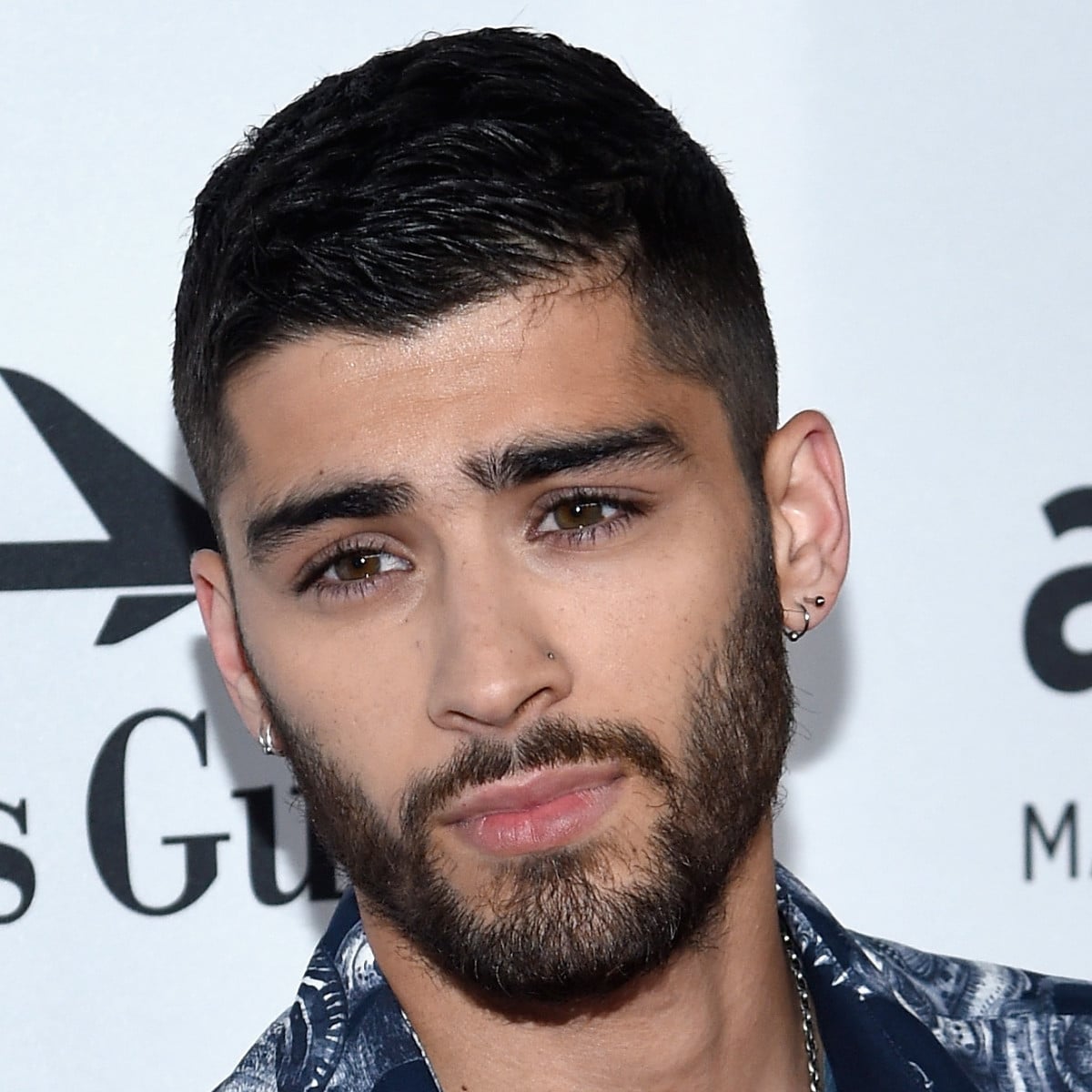
If you’ve ever scrolled through the comments on a One Direction throwback or a solo Zayn video, you’ve probably seen the debate. People get surprisingly heated about it. Some insist he’s Middle Eastern. Others are convinced he’s strictly South Asian. A few even argue he’s "just British."
Honestly, the confusion is kind of understandable if you aren't familiar with the makeup of Northern England. Zayn Malik race and ethnicity is a mix that he’s been vocal about—sometimes through his music, sometimes through a frustrated tweet, and often just by existing in a spotlight that wasn't always kind to "brown guys" from Bradford.
Basically, Zayn is multiracial. He’s the son of a British-Pakistani father and a White British mother. This isn't just a fun fact; it’s a heritage that shaped his entire career, from his "Bradford Bad Boy" persona to the Urdu lyrics tucked into his solo albums.
The Malik Family Tree: Where He Actually Comes From
To get the full picture, you have to look at his parents, Yaser and Trisha.
His father, Yaser Malik, is a British-Pakistani man. His roots trace back to Pakistan, and he brought that cultural influence into their home in Bradford, West Yorkshire. Yaser was the one who introduced Zayn to a massive collection of R&B, hip-hop, and reggae records. That’s where the "soul" in Zayn's voice comes from.
Then you have his mother, Trisha Malik (formerly Brannan). She is White British, with English and Irish ancestry. When she married Yaser, she converted to Islam. She famously worked as a halal chef at a local primary school, making sure Muslim kids had meals they could actually eat.
So, technically speaking, if we’re checking boxes:
- Race: Multiracial (South Asian and White)
- Ethnicity: British-Pakistani and English-Irish
- Nationality: British
He grew up in East Bowling, a working-class area in Bradford. It’s a place where being "mixed" is common, but being a global superstar from there definitely isn't.
Why People Constantly Confuse His Race
It’s weirdly common for people to misidentify him. For years, fans in the US thought he was Latino or Middle Eastern. Some of that comes from his style—the tattoos, the quiff, the beard—which mirrors a lot of different cultures. But a lot of it is just a lack of awareness about the Pakistani diaspora in the UK.
The UK has a massive population of people with Pakistani heritage, particularly in northern cities like Bradford, Leeds, and Manchester. In the US, the South Asian "representative" in media is often Indian. In the UK, the Pakistani community is a powerhouse of culture and identity. Zayn became the de facto face of that community on a global stage, whether he wanted the job or not.
The "Pakistani" vs "Indian" Confusion
Sometimes you’ll see people ask if Zayn is Indian. He isn't. While the history of the Indian subcontinent is obviously intertwined (especially before the 1947 partition), his family identifies specifically as Pakistani. In his 2016 solo debut Mind of Mine, he even included a track called "Intermission: Flower" where he sings in Urdu, the national language of Pakistan.
He didn't do that to be "exotic." He did it because he actually speaks the language—albeit with a bit of a Bradford accent.
Identity vs. Religion: Is He Still Muslim?
This is where things get a bit more nuanced. Zayn was raised Muslim. He read the Quran three times. He went to the mosque. His family celebrates Eid. For a long time, he was hailed as the most famous Muslim in the world.
But in a 2018 interview with British Vogue, he cleared the air. He said he no longer identifies as a practicing Muslim.
"I don't believe you need to eat a certain meat that's been prayed over a certain way, I don't believe you need to read a prayer in a certain language five times a day. I don't believe any of it."
Naturally, this caused a bit of a stir. But Zayn was quick to add that he still has a "spiritual belief" and a massive amount of respect for his upbringing. He still identifies with the culture of being a British-Pakistani Muslim, even if he isn't hitting the prayer mat five times a day.
Growing Up as a Minority in Bradford
Bradford isn't exactly Hollywood. It's a gritty, beautiful, complicated city. Growing up there, Zayn has talked about feeling like he had to "represent."
He’s mentioned in various interviews that he faced his fair share of hurdles because of his name and look. Even after he was famous, he’s spoken about being "randomly" selected for extra security at airports. He once told The Evening Standard that the first time he went to America, he was held for three hours of questioning. He was 17.
That kind of stuff sticks with you. It’s why he often seems guarded or "mysterious" in interviews. It’s not a gimmick; it’s a defense mechanism for a guy who grew up being "the other" in a post-9/11 world.
How His Heritage Influences His Music Today
If you listen closely to his solo stuff, you can hear the influence of his dad’s old records and his own heritage. It’s not just pop. It’s a blend of:
- Traditional R&B: The stuff Yaser played in the house.
- Qawwali-style vocal runs: If you listen to his high notes, they often have a flick or a "harkat" that sounds very South Asian.
- Modern British Soul: That specific, moody vibe that comes out of the UK music scene.
He even collaborated with the Pakistani band Aur for a remix of their hit "Tu Hai Kahan" recently. It was a huge moment for South Asian fans because it felt like he was finally circling back to his roots without the pressure of a boy band image.
What This Means for His Fans
Zayn being a mixed-race, British-Pakistani artist matters because representation is rarely just about a "first." It’s about being allowed to be complicated. He isn't a "perfect" representative of any one group. He’s a guy who loves tattoos, makes R&B, doesn't practice his religion strictly, but still loves his mother’s home-cooked Pakistani food.
For millions of kids who are also "mixed" or "third-culture," seeing a guy with the name Zain Javadd Malik on top of the Billboard charts was a game-changer.
Next Steps for the Zayn Obsessed
If you really want to understand the cultural impact of his background, you should check out his Urdu-language tracks like "Intermission: Flower" or his recent work with Pakistani artists. It gives a much better look into his identity than any tabloid headline ever could.
Also, if you're ever in Northern England, go to Bradford. Eat the food. You'll see exactly where that "Bradford Bad Boy" energy came from.



