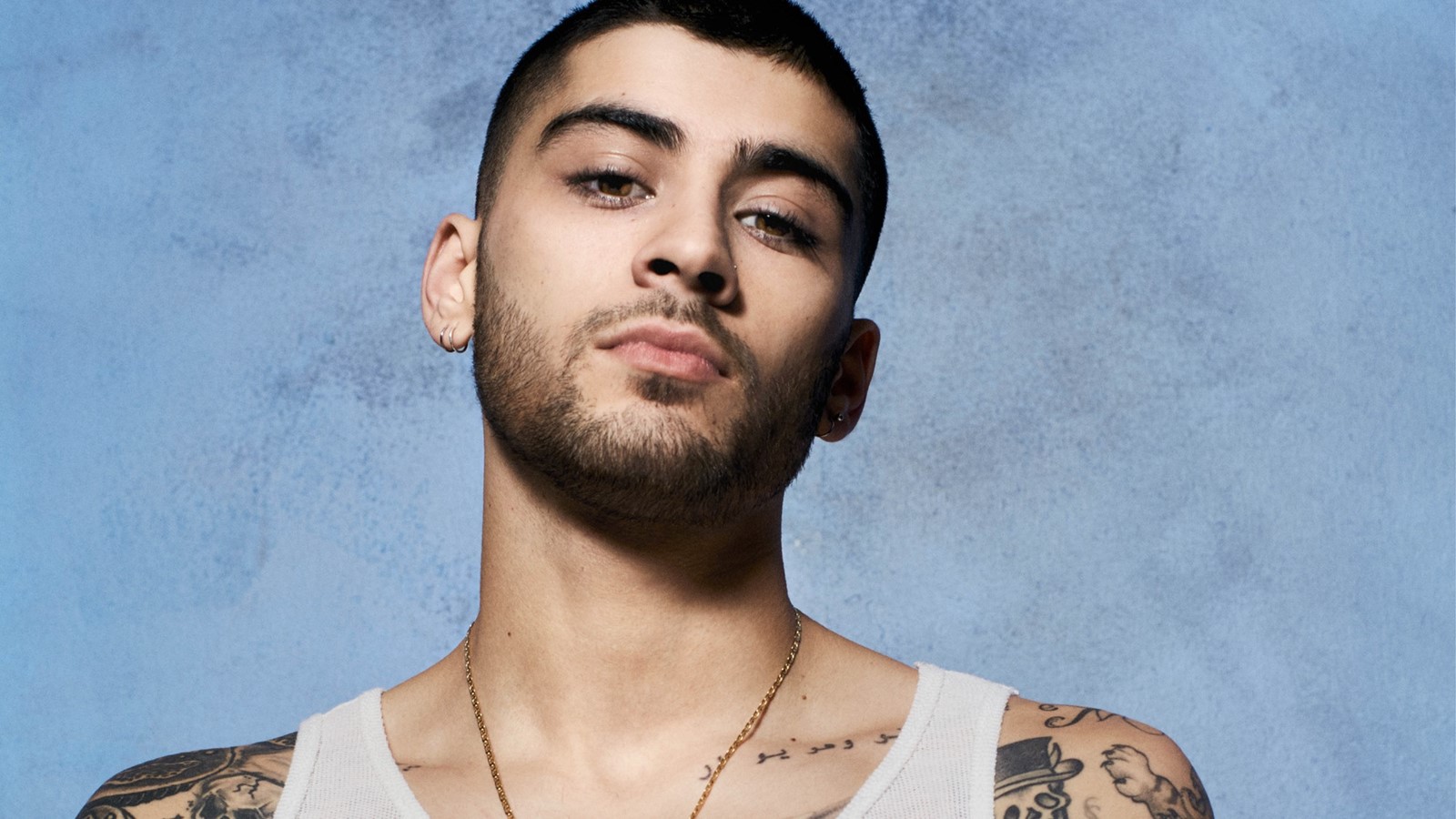
Zayn Malik is a name that carries a lot of weight. You've seen him on stadium stages, in high-fashion campaigns, and all over your social feeds for over a decade. But honestly, even after all this time, there is still a massive amount of confusion floating around about his background.
People are always asking: Is he Middle Eastern? Is he South Asian? Is he just British?
The truth is a mix that has deeply shaped his career, from his early days in Bradford to the complicated lyrics of his most recent music. Understanding Zayn Malik ethnicity and race isn't just about checking a box on a census form. It’s about the reality of being a "working-class kid" from a mixed-heritage home in Northern England who suddenly became the most famous Muslim-adjacent person on the planet.
The Bradford Roots: A Family of Two Worlds
Zayn was born Zain Javadd Malik in Bradford, West Yorkshire. If you know anything about the UK, you know Bradford has a massive, vibrant South Asian community.
His father, Yaser Malik, is British-Pakistani. His family has roots in the Punjab region—specifically, reports often point toward Jhelum. On the other side of the house, you have his mother, Trisha Malik. She is white British, with English and Irish ancestry.
Basically, Zayn is multiracial.
The Identity Breakdown
- Father: British-Pakistani (South Asian)
- Mother: White British/Irish (European)
- Birthplace: Bradford, England
- Heritage: 50% Pakistani, 50% English/Irish
Growing up, his house was a melting pot. His mom actually converted to Islam when she married his father. She even worked as a halal chef in a local primary school. So, while Zayn grew up in a household that leaned into Islamic traditions and Pakistani culture—he can even speak some Urdu—he was also navigating the very white, very working-class reality of Northern England.
Why the World Got It Wrong for Years
When One Direction blew up in 2010, the "boy band" mold was pretty white. You had four guys who fit a very specific Western aesthetic, and then you had Zayn.
The media didn't really know how to categorize him. Sometimes he was the "mysterious" one. Other times, he was the target of some pretty nasty Islamophobic "jokes" from pundits who should have known better. Because he has a tan complexion and a name like Zain, many people in the US and Europe just lumped him into a generic "Middle Eastern" category.
He's not Middle Eastern. He’s South Asian.
There’s a big difference there, but the "global pop star" machine often flattens those nuances. Zayn himself has talked about how confusing it was as a kid. To him, "dad was dad" and "mum was mum." He didn't see the color or the religion until the outside world started pointing it out.
Racism and the "White Band" Lyric
For a long time, Zayn stayed quiet about the racial dynamics inside the music industry. He was the quiet one, right? But lately, he's been much more vocal.
In a recent track titled Fuchsia Sea, he dropped a line that sent shockwaves through the old 1D fandom. He rapped: "Cause I worked hard in a white band. And they still laughed at the Asian."
That hits hard. It's a blunt admission that even at the height of his fame, he felt like an outsider. He wasn't just "one of the boys"; he was the "Asian one" who had to deal with airport security "random" checks and being the punchline of subtle (and not-so-subtle) racial tropes.
Honestly, it’s kinda heartbreaking when you think about it. Imagine being 18, touring the world, and realizing that half the people screaming for you also hold prejudices against your heritage.
The Religious Factor
While we’re talking about Zayn Malik ethnicity and race, we have to mention religion. He was raised Muslim. He’s read the Quran multiple times. But in 2018, he told British Vogue that he no longer identifies as a practicing Muslim.
He still believes in a God, but he doesn't believe in the "rituals" or the specific restrictions. This was a huge deal for the South Asian community. Some felt betrayed, while others felt he was finally being honest about the struggle of being a "cultural" Muslim versus a "religious" one.
The Impact on His Art
You can hear his heritage if you listen closely to his solo stuff. In his debut album Mind of Mine, he included a track called Intermission: Flower. It’s a beautiful, haunting piece sung in Urdu.
It wasn't a "commercial" move. It was a "this is who I am" move.
He’s also used his platform to support causes that matter to his community, like the British Asian Trust. He even faced heat back in 2014 for tweeting #FreePalestine, which was a pretty bold move for a "teen idol" at the time. He has always been a bit of a rebel, but a lot of that rebellion comes from the friction of living between two cultures.
What You Should Take Away
If you're trying to understand Zayn Malik, stop trying to put him in a single box. He’s a Bradford boy. He’s a Pakistani-Irish-English artist. He’s a man who has dealt with the weight of representing an entire demographic while just trying to write some R&B songs.
Actionable Insights for Fans and Creators:
- Respect the Nuance: Don't use "Middle Eastern" and "South Asian" interchangeably. It matters to the people who live those identities.
- Listen to the Lyrics: If you want to understand his experience with race, go back and listen to his solo discography. The clues are everywhere.
- Support Diverse Artists: Zayn broke a massive ceiling for South Asian representation in Western pop. Look for other Desi artists who are trying to do the same without the backing of a massive boy band.
Zayn’s story isn't just about a guy who left a band. It’s about a guy who had to find himself in a world that wanted him to be either "the white guy’s friend" or a "Pakistani poster boy." He chose to just be Zayn.



