Honestly, it’s been about six years since the world first met Zaya Wade in a way they didn't expect. If you were scrolling through Instagram in early 2020, you probably remember that viral clip of Dwyane Wade sitting on Ellen DeGeneres's couch. He wasn't there to talk about NBA stats or his retirement. He was there to tell the world that his 12-year-old daughter was ready to live her truth.
Since then, the conversation around zaya wade gender has morphed into something way bigger than just one family’s business. It’s become a lightning rod for debates on parenting, Gen Z identity, and even the legalities of name changes for minors. But if you strip away the shouting matches on X (formerly Twitter) and the invasive tabloid headlines, the actual timeline of Zaya’s journey is a lot more nuanced—and a lot more grounded in regular "growing up" stuff—than people realize.
The Day Everything Changed (Publicly)
Most people think Zaya's transition happened overnight. It didn't. Behind the scenes, the Wade-Union household had been "doing the work," as Gabrielle Union often puts it, for years.
According to Dwyane, Zaya knew who she was from a very young age—some reports say as early as three years old. But the public "re-introduction" happened in February 2020. Dwyane told Ellen that Zaya (who was born Zion) came home and said, "Hey, I want to talk to you guys. I think going forward I’m ready to live my truth."
She didn't just ask for new clothes. She asked for she/her pronouns and a name that felt like her.
It’s easy to forget she was just a kid then. Only 12. Most of us at 12 were worried about middle school dances or a bad haircut. Zaya was navigating a global spotlight while her dad, a literal Hall of Fame athlete, was learning on the fly how to be an ally. He’s been super open about the fact that he didn't have all the answers. He even reached out to the cast of the show Pose just to understand the terminology and the stakes for Black trans women.
The Legal Battle You Might Have Missed
While the social media support was huge, the legal side of things got kinda messy. In 2022, Dwyane filed a petition to legally change Zaya's name and gender on her birth certificate. This is where it gets complicated.
His ex-wife, Siohvaughn Funches-Wade, filed an objection. She claimed Dwyane was "pressuring" Zaya for financial gain and brand deals. It was a whole thing. Dwyane didn't stay quiet, though. He took to Instagram to call the allegations "serious and harmful," pointing out that Zaya had maintained a 4.0 GPA while dealing with all this public drama.
Basically, he argued that this wasn't about money; it was about her being able to get a driver’s license or a passport that actually matched who she is.
By February 2023, a Los Angeles County judge officially granted the request. Zaya Malachi Airamis Wade became her legal name. For a 15-year-old, that’s a massive weight off the shoulders. Gabrielle Union later told reporters that when it finally went through, the vibe in the house was just pure joy. They even sang "Say My Name" by Destiny’s Child.
Entering the "Estrogen Era" in 2025
Fast forward to early 2025. Zaya is now 17 and heading into her senior year of high school. In a recent interview, she mentioned she's "never been happier" since starting estrogen as part of her gender-affirming care.
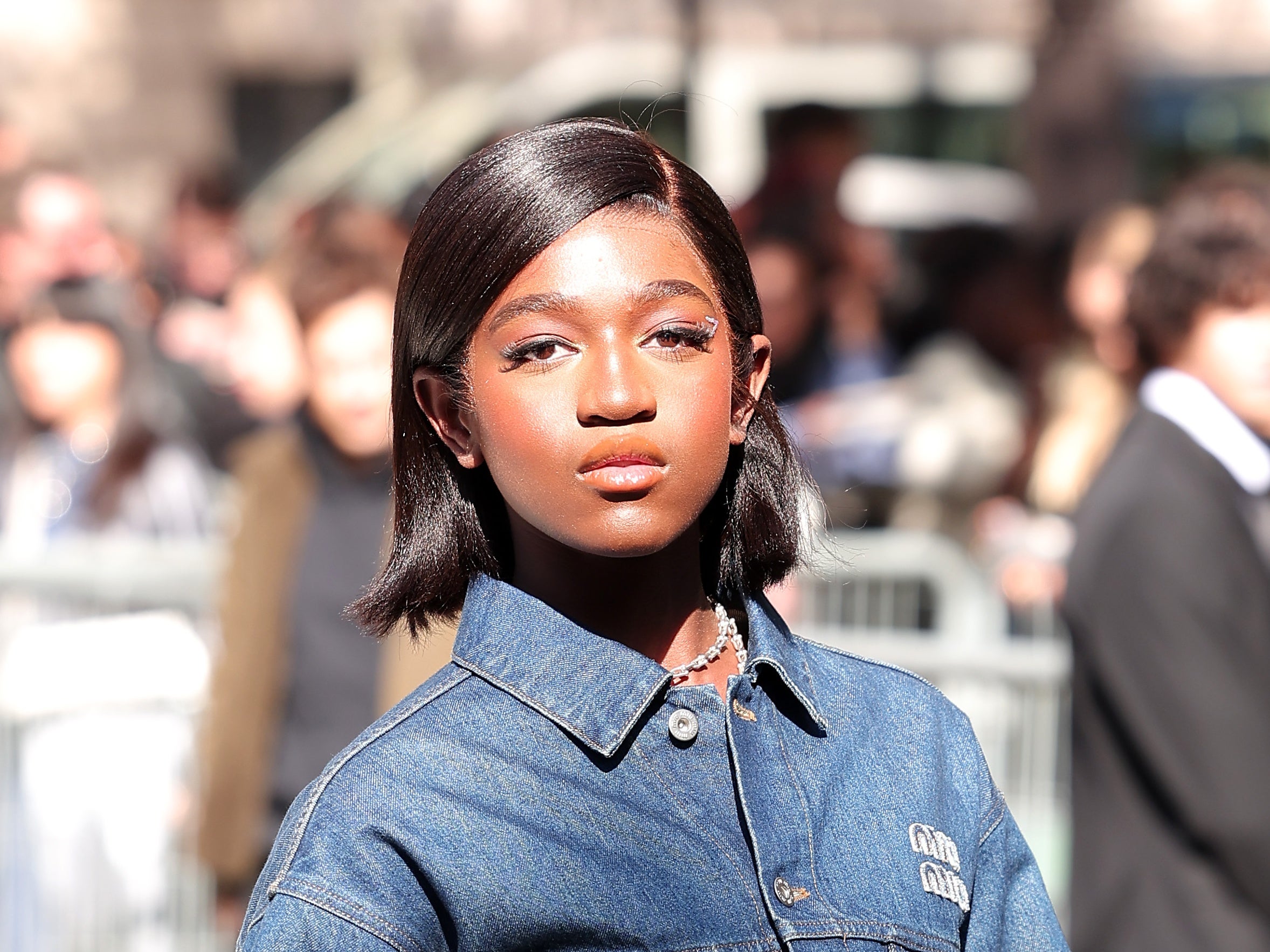
This is a big deal because the political climate around healthcare for trans youth has been... well, intense. But for Zaya, it’s just healthcare. She’s talked about how it gave her a new sense of confidence in her body. You can see it, too. Whether she’s walking the runway for Miu Miu at Paris Fashion Week or just posting a selfie, there's a level of "grown-up" poise there that's pretty wild to see compared to that shy 12-year-old on Ellen’s couch.
She’s also deep into the college application process. Get this: she wants to study astrobiology.
She’s a self-proclaimed nerd. While everyone else is talking about her outfits, she’s worrying about standardized testing and finding a university where she feels safe. She’s been very real about the fact that even in "blue" states, being a Black trans woman comes with risks.
Why Zaya Wade Gender Advocacy is Different Now
It’s not just about her anymore. In 2024, Zaya and Dwyane launched Translatable. It’s basically a digital safe space and resource hub for LGBTQ+ youth and their families.
What makes it cool is that it’s not just "activism" in the abstract. It’s practical. They offer videos on everything from making vision boards to explaining gender identity to confused grandparents.
Dwyane’s evolution here is actually a masterclass in modern fatherhood. He’s said multiple times that his job isn't to create a version of himself in his kids, but to be a "facilitator" for their dreams. That’s a pretty big shift for a guy who spent his life in the hyper-masculine world of professional basketball.
Real Talk: The Challenges Still Exist
We can't act like it's all sunshine and Prada campaigns. The internet can be a dark place. Zaya still deals with a massive amount of transphobia. Dwyane has even admitted he fears for her safety every time she leaves the house.
The family actually moved from Florida to California primarily because of the political climate and laws affecting trans people in Florida. Think about that. A family with almost unlimited resources and a "key to the city" in Miami felt they had to leave to protect their child’s peace of mind.
What Can We Learn From Zaya?
If you’re trying to understand the zaya wade gender story, don't look at it as a "celebrity scandal." Look at it as a blueprint for how a family can change when they prioritize a child's well-being over social expectations.
Here are a few takeaways if you’re navigating similar conversations in your own life or community:
- Listen more than you talk. Dwyane constantly says he had to "communicate with his ears and eyes" rather than his mouth.
- Support is a marathon. It wasn't one conversation in 2020. It’s been years of legal filings, doctor appointments, and moves across the country.
- Identity is personal. Zaya defines her own "girlhood." She’s spoken about how Black women are often denied the luxury of a soft childhood, and she’s trying to reclaim that for herself.
- Safety matters. Transitioning isn't just about labels; it's about the legal and physical safety to exist in public spaces.
Zaya Wade isn't just a "trans icon" or a famous daughter anymore. She’s a 17-year-old girl who loves science, walks runways, and is trying to figure out where she wants to spend the next four years of her life. She’s just living, which is probably the most "radical" thing she could do.
If you’re looking to support the community or just want more reliable info, checking out resources like The Trevor Project or Zaya’s own Translatable platform is a great place to start. Knowledge usually kills the fear that causes all the drama in the first place.