You’re standing in a dimly lit dressing room, clutching three pairs of the exact same wide-leg blues. One is a US 4, one’s a 6, and the last is an 8. You try the 4. It won't even clear your thighs. You try the 6. It zips, but you’ve effectively lost the ability to breathe or sit. Finally, the 8 fits, but there’s a massive gap at the back of the waistband big enough to store a sandwich. This is the "Zara experience." Understanding the zara jeans size chart is less about math and more about decoding a very specific European design philosophy that doesn't always translate to American hips.
It’s frustrating. Honestly, it’s borderline chaotic.
Zara is the crown jewel of Inditex, a Spanish powerhouse. Because they are a European brand, their "base" patterns are built on a Mediterranean profile—typically narrower through the seat and thighs than what many US shoppers are used to at places like Gap or Old Navy. If you’ve ever felt like the clothes were gaslighting you, they aren't. The numbers just mean something different in A Coruña than they do in Chicago.
The Secret Language of the Zara Jeans Size Chart
Most people look at the tag and see a US 6 / EU 38 / MEX 28. They assume these are direct equivalents. They aren't. Zara uses a "vanity sizing" scale that is significantly tighter than its fast-fashion competitors. While an H&M size 6 might feel roomy, a Zara size 6 often feels like a size 4 with an attitude problem.
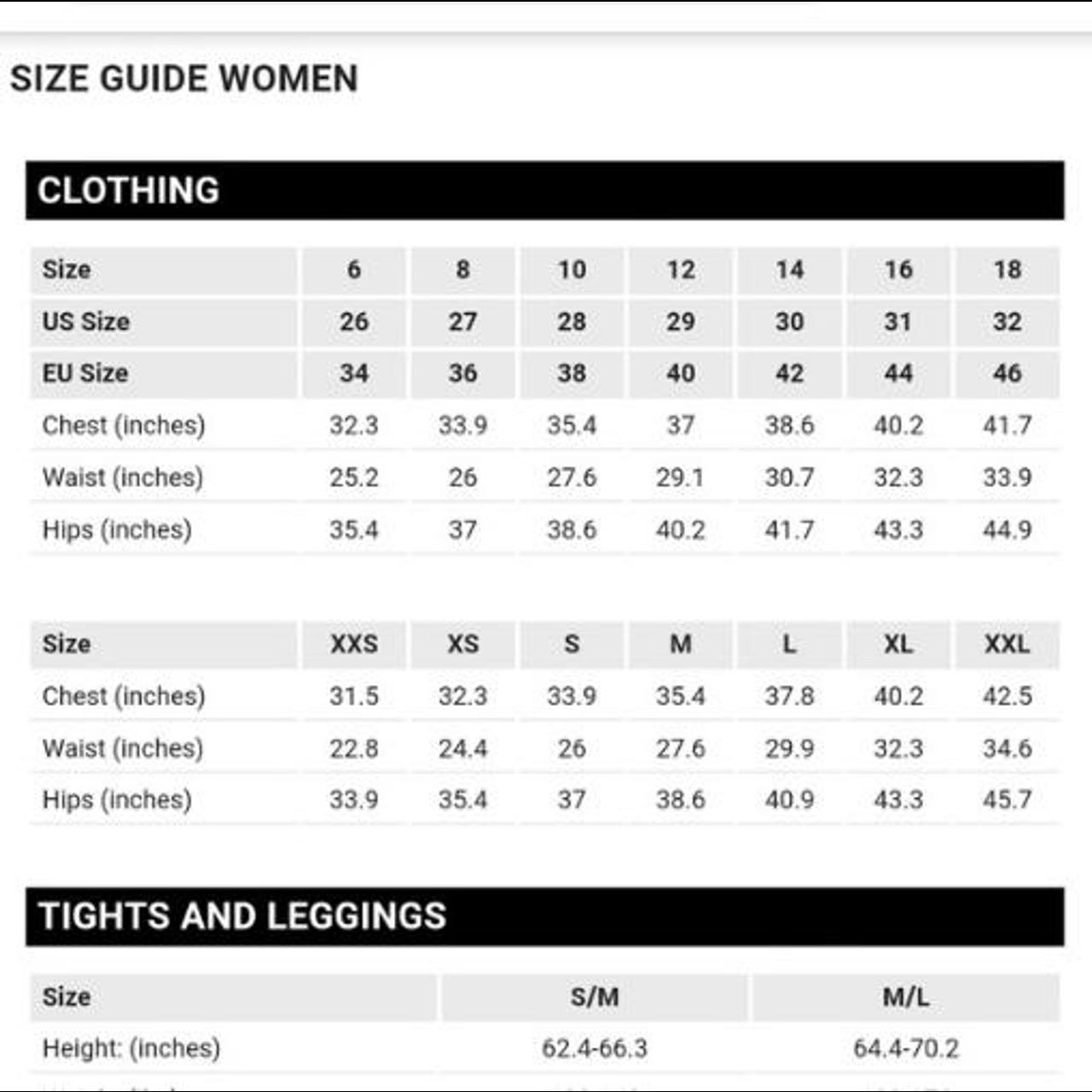
Let's break down the actual measurements you'll encounter on their digital charts. For a standard pair of rigid denim, a US Size 0 (EU 32) usually targets a 24-inch waist. A US Size 4 (EU 36) aims for roughly 26.5 inches. By the time you get to a US Size 12 (EU 44), you’re looking at a 32.5-inch waist.
But here is the kicker: that measurement is for the garment, not necessarily your body.
If you have a 30-inch waist, you might think, "Great, I'll grab the 10." Wrong. Because Zara's rise—the distance from the crotch to the waistband—varies wildly between their "Marine Straight" and "Z1975" lines, that 30-inch circle might sit at your belly button or your hip bones. This is why the zara jeans size chart feels like a suggestion rather than a rule.
The "Fits Smaller" Warning is Your Best Friend
Have you noticed that little "Find Your Size" button on their website? It’s actually powered by Fit Analytics. They know their sizing is inconsistent. If you see a note saying "this garment fits smaller than usual," believe them. Take it personally. Go up a full size.
I’ve seen people refuse to go up because of the "number" on the tag. Don't do that. Zara’s rigid denim (100% cotton) has zero give. If you buy your "usual" size in 100% cotton, you will spend your day standing up because sitting becomes a physical impossibility.
Fabric Composition Changes Everything
Look at the care label. This is the expert move.
If the jeans are 98% cotton and 2% elastane, you can probably stick to your true size on the zara jeans size chart. That 2% is doing a lot of heavy lifting. It allows the denim to contour. However, the "Authentic Rigid" line is 100% cotton. Cotton shrinks. Cotton doesn't move. In those specific styles, almost everyone needs to size up to accommodate the lack of mechanical stretch.
Then there is the Lyocell factor. Zara uses a lot of Tencel and Lyocell blends in their "soft" denim. These feel amazing—kinda like pajamas—but they bag out by noon. If you buy these a size "comfortable," they will be falling off your hips by the time you finish lunch. For blends with high Lyocell content, you actually want them tight in the dressing room.
Real-World Conversions That Actually Work
Forget the official chart for a second. Let's talk about how these actually translate to other brands you likely own.
- If you wear a Levi’s 27, you are almost certainly a Zara 4 or 6.
- If you are a Madewell 28, you are likely a Zara 8.
- If you're used to American Eagle's stretchy denim, prepare for a heart-to-heart with the Zara 10 or 12.
The jump between a US 8 and a US 10 in Zara is notoriously large. It’s where the pattern seems to suddenly remember that humans have curves. If you find yourself "between sizes" at the lower end of the spectrum, the smaller size usually wins if there's stretch. If you're at the higher end, always, always go up.
The Hip-to-Waist Ratio Struggle
Zara is notorious for the "waist gap." Their jeans are often cut straight. If you have a classic hourglass figure—small waist, wider hips—the zara jeans size chart will break your heart. To get the jeans over your hips, the waist will be two inches too big.
This isn't a defect; it's a design choice. European tailoring often favors a straighter silhouette. If you fall into the "curvy" category, look specifically for the "Sculpt" or "Hi-Rise" tags. Avoid the low-rise vintage cuts unless you’re prepared to visit a tailor. Honestly, Zara jeans are cheap enough that spending $15 to have the waist taken in is actually a pro-level strategy for getting a designer fit on a budget.
Decoding the Sub-Brands
Zara isn't just one brand. It's a collection of labels, each with its own vibe and, unfortunately, its own sizing quirks.
- Z1975: This is their "heritage" inspired line. Expect thicker denim, less stretch, and a tighter fit through the thigh.
- TRF (Trafaluc): Technically the "youth" section. It's cut for teenagers. If you are a grown woman with a mortgage and a child, the TRF zara jeans size chart is your enemy. Size up. Just do it.
- Woman: These are the more "sophisticated" cuts. They tend to be a bit more generous in the hips and use higher-quality fabrics that hold their shape better.
How to Measure Yourself for the Best Result
Don't use a metal construction measuring tape. It won't wrap around your curves correctly. Use a soft tailor’s tape.
Measure your natural waist (the skinniest part, usually above the belly button) and your low hip (the widest part of your butt). When you look at the zara jeans size chart online, compare your hip measurement first. You can fix a waist that's too big, but you can't fix jeans that won't pull up past your thighs.
Also, check the "Inseam." Zara loves a "cropped" look that is actually full-length on anyone under 5'6". Conversely, their "Extra Long" flares are designed for people who are roughly 6 feet tall. If you’re shorter, you’re going to be paying for a hem.
Why Does the Size Varies Between Colors?
It sounds crazy, but a black pair of Zara jeans will often fit smaller than the exact same style in light blue. This is because of the dye process. To get denim deep black, the fabric is saturated with dye and then heated. This causes more shrinkage than the heavy washing used to create "distressed" light blue denim. If you're buying black Zara jeans, that "size up" rule becomes a mandatory law.
The Sustainable Angle
Zara has been pushing their "Join Life" initiative, which uses ecologically grown cotton and recycled fibers. Interestingly, recycled cotton fibers are shorter and less elastic than virgin cotton. This means "Join Life" denim can feel even stiffer. It’s better for the planet, but it requires a bit more patience during the "break-in" period. Expect them to feel like cardboard for the first three wears. They will eventually mold to your body, but that first day might be rough.
Actionable Steps for Your Next Order
Stop guessing. If you're shopping online, do these three things:
- Check the model's height. Zara usually lists this in the description (e.g., "Model is 177cm / 5'9"). If she's 5'9" and the jeans hit her ankles, and you're 5'2", those are not "ankle" jeans for you.
- Ignore your "usual" size. Look at the specific centimeter measurements for that exact product.
- Order two sizes. Zara’s return policy is generally straightforward. If you're unsure, buy the 6 and the 8, keep the winner, and drop the other at the post office. It’s the only way to beat the system.
Take a soft measuring tape and record your "actual" numbers right now. Compare them to the "Woman" vs "TRF" sections on the site. You'll likely see a 2cm difference for the same "size." Once you accept that the numbers on the tag are basically fiction, finding the right pair becomes a lot less stressful. Go for the fit, not the label.



