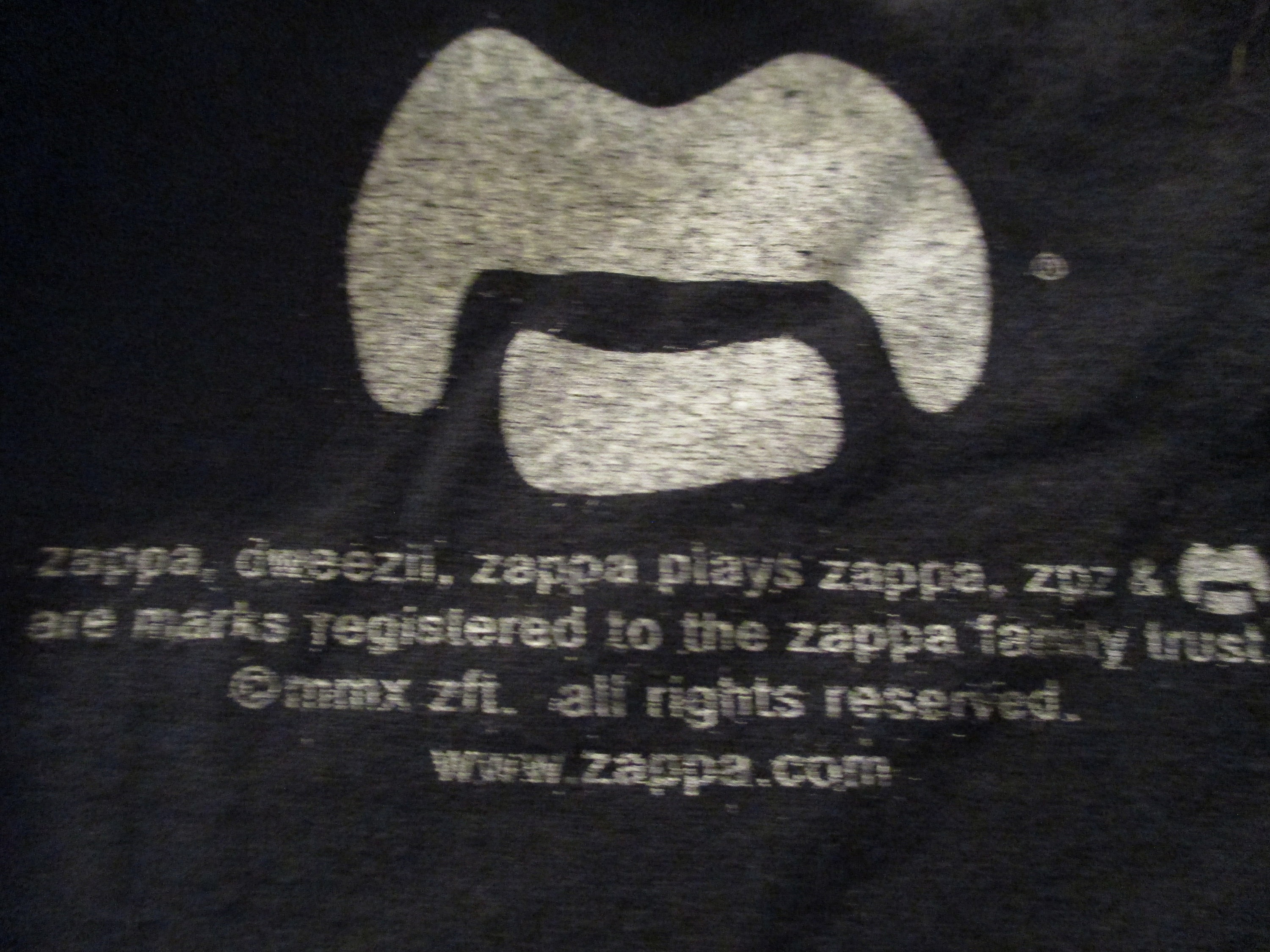
Honestly, if you ever tried to play a Frank Zappa song on guitar, you probably gave up within ten minutes. It’s not just the notes. It’s the weird time signatures that feel like a math problem and the melodies that jump around like a caffeinated squirrel. For years, Frank’s music was considered "unplayable" by anyone but his hand-picked virtuosos. Then came Zappa Plays Zappa.
Dweezil Zappa didn't just decide to play his dad's hits. He basically went through a musical lobotomy to do it. Imagine being a professional guitarist for twenty-five years and realizing you have to start from scratch because your "instincts" are all wrong for the material. That’s what happened in 2004. Dweezil spent two years locked away, unlearning his shredder habits to master stuff like "The Black Page" and "Inca Roads."
It paid off. When the tour debuted in 2006, people weren't just impressed; they were shocked.
The Impossible Standards of the Tour de Frank
When Zappa Plays Zappa first hit the road, it wasn't some cheap nostalgia act with a backing track. Dweezil recruited a band of young, unknown "monsters" who could actually execute the charts. We’re talking about musicians who had to transcribe complex marimba parts and play them on keyboards within forty-eight hours just to pass the audition.
The early shows were legendary. You had Frank’s old alumni like Napoleon Murphy Brock, Terry Bozzio, and even Steve Vai jumping on stage. It felt less like a tribute and more like a continuation of a lineage. In 2008, the project even snagged a Grammy for Best Instrumental Performance for their version of "Peaches En Regalia."
Think about that. A "tribute" band winning a Grammy for playing the music exactly as the composer intended.
Why the precision mattered
Frank Zappa used his bands like an orchestra. He didn't want "jamming." He wanted the specific textures he heard in his head. Dweezil understood this. He didn't just play the notes; he used specialized software to recreate the exact guitar tones from the original recordings. If a song was recorded with a specific 1970s fuzz box, Dweezil made sure the audience heard that exact grit.
The Name Change That Nobody Wanted
If you’ve followed the news lately, you know things got messy. Like, "lawyers-involved-at-the-dinner-table" messy. After Gail Zappa passed away, the Zappa Family Trust (ZFT) ended up in the hands of Ahmet and Diva Zappa. Suddenly, Dweezil was told he couldn't use the name Zappa Plays Zappa without paying massive licensing fees to his own siblings.
It sounds like a bad movie plot.
The Trust even claimed they owned the trademark to the name "Dweezil" itself. In 2016, out of pure frustration and "under duress," Dweezil changed the tour name to 50 Years of Frank: Dweezil Zappa Plays Whatever the F@%k He Wants – The Cease and Desist Tour.
It was a bold move. It also highlighted the bizarre reality of rock legacies. While the siblings fought over "grand rights" and merchandising percentages, the music was the thing caught in the crossfire. Eventually, much of the catalog was sold to Universal Music Group in 2022, which sort of cooled the legal jets, but the scars in the family remained.
What Dweezil Taught Us About Legacy
You’ve gotta admire the grit. Most "nepotism babies" would have just cashed the checks and stayed home. Instead, Dweezil became a student of his father's work in a way that preserved the technical integrity of the music for a new generation.
He didn't just tour; he started "Dweezilla," a music bootcamp where fans could actually learn the techniques. He showed people how Frank used the studio as an instrument—slowing down tapes to record horn parts that were physically impossible to play at normal speed, then speeding them back up.
What makes it different from a standard cover band?
- The Auditions: You can't just be "good." You have to be able to read and transcribe polyrhythmic insanity.
- The Gear: Dweezil often tours with Frank’s actual guitars, like the Gibson Les Paul from the Shut Up 'n Play Yer Guitar cover.
- The Intent: It’s treated as "classical" music played with rock instruments. No shortcuts.
The Future of the Zappa Sound
As we look at the landscape in 2026, Zappa Plays Zappa (or whatever variation Dweezil is currently allowed to call it) remains the gold standard. While there was talk of holograms—which Dweezil famously called out as "artificial"—nothing replaces the sound of a live band sweating through a twelve-minute rendition of "Billy the Mountain."
The "Rox(Postroph)y Tour" has been making its way across the country, proving that there is still a massive appetite for 5/4 time signatures and satirical lyrics about yellow snow.
If you’re planning on catching a show or diving into the discography, here is how to actually appreciate what’s happening on that stage:
- Listen for the "Conceptual Continuity": Frank hid musical Easter eggs across decades of albums. Dweezil often weaves these together in live medleys.
- Watch the Keyboardist: In a Zappa band, the keyboard player is usually doing the work of three people. If they look like their brain is melting, they’re doing it right.
- Forget the Genre: Is it jazz? Rock? Contemporary classical? It’s just Zappa. Don't try to box it in.
The best way to support the legacy is to actually listen to the complexity of the live performances. You can start by checking out the F.O.H. live albums—they’re raw, two-track recordings with no overdubs that show exactly how tight this band really is.
Go find a high-quality live recording of "Inca Roads" from the 2024 or 2025 dates. Pay close attention to the marimba-style guitar runs. Once you realize those aren't loops or tricks, you’ll understand why Dweezil’s obsession with his father's work was the best thing to happen to Frank's fans.



