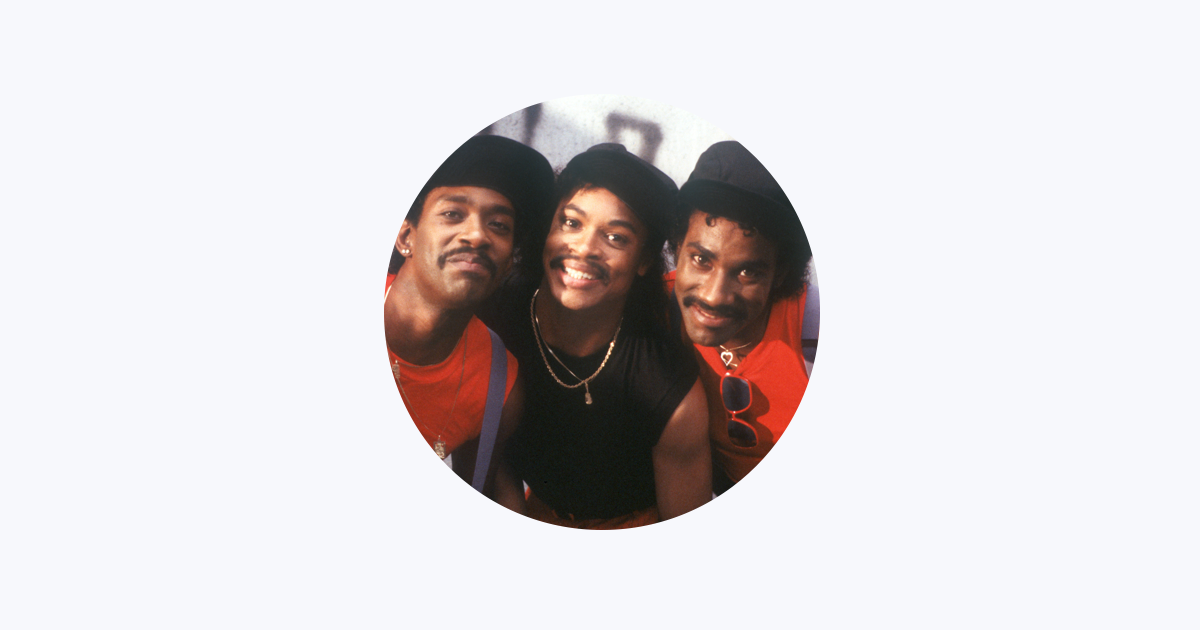
If you’ve ever been at a wedding, a backyard BBQ, or just stuck in traffic with the radio on, you’ve heard the sound. It’s that robotic, growling, funky-as-hell voice that feels like a cyborg trying to sing the blues. That is the magic of zapp and roger music. Honestly, it’s one of the few sounds in history that is instantly recognizable within two seconds of a beat dropping.
Most people think it’s a vocoder or some early auto-tune. It isn't. It’s a talk box.
Roger Troutman didn't just play the talk box; he mastered it like a Stradivarius. He’d stick a plastic tube in his mouth, run a synthesizer signal through it, and use his own throat and lips to shape the words. It sounds simple, but try doing it while playing lead guitar and dancing. The man was a freak of nature. Along with his brothers—Larry, Lester, and Terry—Zapp turned Dayton, Ohio, into a global headquarters for heavy, synthesized funk.
The Dayton Connection and the Bootsy Blessing
Dayton wasn't exactly Hollywood in the late 70s. It was a gritty, industrial city, but it had a rhythm all its own. The Troutman family was already a local legend before they ever met George Clinton. They were performing as Roger and the Human Body, grinding through club circuits with a level of precision that made other bands look like amateurs.
Eventually, their path crossed with Bootsy Collins and the Parliament-Funkadelic crew.
Bootsy saw the potential immediately. He didn't just like them; he practically ushered them into the big leagues. With his help, Zapp landed a deal with Warner Bros. and released their self-titled debut in 1980. The lead track? "More Bounce to the Ounce."
That song is essentially the DNA of West Coast hip-hop.
It’s got that loping, heavy-bottom bassline and those signature handclaps that feel like they’re hitting you in the chest. When that record hit, it changed everything. It wasn't just a funk song; it was a blueprint. You can hear its echoes in everything from Ice Cube to Dr. Dre. In fact, Ice Cube famously said that "More Bounce" was his first real introduction to the world of hip-hop culture.
The Talk Box vs. Everything Else
There’s a huge misconception that Roger Troutman used a vocoder. You know, like the one Kraftwerk or Daft Punk uses. Nope. A vocoder synthesizes the voice through a microphone. A talk box, specifically the Golden Throat or the DIY rigs Roger built, is mechanical.
You’re literally swallowing the sound.
Roger would use a Yamaha DX100 synthesizer—specifically the "E. Piano 1" or "Solid Bass" patches—and pump that signal into a driver (essentially a speaker in a box). The sound would travel up a tube and into his mouth. By moving his jaw and tongue, he filtered the sound. It’s why his "voice" sounds so human compared to other robotic effects. It had soul because his actual mouth was the filter.
Technique-wise, it’s brutal. You have to exaggerate every consonant. If you want to say "Bounce," you have to physically over-articulate the "B" and the "P" sounds or it just comes out as a mush of static. Roger made it look effortless, often flashing a huge grin with the tube tucked into the corner of his mouth.
The Hits That Defined an Era
Zapp wasn’t a one-hit wonder. Not even close. After the first album went gold, they just kept swinging. Zapp II dropped in 1982 with "Dance Floor" and "Doo Wa Ditty (Blow That Thang)." These were club anthems. They were loud, bright, and impossible not to dance to.
Then you have the slower, more emotional side of zapp and roger music.
"Computer Love" is basically the "Stairway to Heaven" of R&B. Released in 1985 on The New Zapp IV U, it featured the incredible Shirley Murdock and Charlie Wilson of The Gap Band. It’s a song about finding love through technology—a concept that was basically sci-fi in 1985.
"I no longer need astrology... thanks to modern technology."
That line is hilarious now, but back then, it felt like the future. The song has been sampled or covered so many times it's hard to keep track. From 2Pac to Chris Brown, everyone wants a piece of that "Computer Love" vibe. It’s the perfect blend of Roger’s electronic grit and pure, gospel-inflected soul.
Why the West Coast Fell in Love
If you grew up in the 90s, you probably knew Roger Troutman through "California Love."
When Dr. Dre and 2Pac were putting together that anthem, they didn't just want a sample. They wanted the man himself. Roger’s talk box hook on that track is legendary. It bridged the gap between the 70s funk era and the 90s G-Funk era.
The relationship between Zapp and the West Coast was deep. Producers like DJ Quik and Battlecat grew up on those Dayton records. They loved the "handclapped" drum patterns and the heavy Moog basslines. It suited the lowrider culture of L.A. perfectly. It was "cruising music."
Roger wasn't bitter about being sampled, either. He loved it. He saw it as a way to stay relevant and reach a new generation. He’d often show up at hip-hop shows and out-perform the rappers, jumping around the stage with his guitar and his talk box rig, proving that he was still the king of the groove.
The Tragedy and the Legacy
It’s impossible to talk about the music without mentioning the tragic end. On April 25, 1999, Roger Troutman was found shot multiple times outside his recording studio in Dayton. He died during surgery. A few blocks away, his brother Larry was found in his car with a self-inflicted gunshot wound.
It was a murder-suicide that shocked the music world.
The brothers had been a team for decades. Larry was the businessman, the manager, the one who kept the wheels turning. Roger was the talent. Reports suggested there were deep-seated tensions over the family business and money. It was a gut-wrenching end to a family dynasty that had brought so much joy to the world.
But the music didn't die.
Today, you can still hear the Troutman influence everywhere. Bruno Mars' "24K Magic" is essentially a love letter to the Zapp sound. Every time a producer uses a talk box or a vocoder to get that funky robot vibe, they are paying rent to the house that Roger built.
How to Get Into the Zapp Sound Today
If you’re new to this and want to explore the world of zapp and roger music, don't just stick to the radio hits. There’s a lot of gold in the deeper cuts.
- Start with the Essentials: Get "More Bounce to the Ounce" and "Computer Love" in your ears immediately.
- Listen to Roger’s Solo Work: His album The Many Facets of Roger is a masterpiece. His cover of "I Heard It Through the Grapevine" is eleven minutes of pure funk brilliance.
- Check Out the Production: Roger produced Shirley Murdock’s "As We Lay." It’s a total departure from the talk box sound, showing his range as a songwriter and producer.
- Watch the Live Footage: Go to YouTube and find clips of Zapp performing in the early 80s. The energy is unmatched.
The best way to appreciate this music is to turn it up loud. This wasn't made for tiny earbuds; it was made for massive speakers and dance floors. It’s music that feels alive, even with all the electronics. It’s human, it’s robotic, and it’s forever funky.
If you want to understand modern R&B and hip-hop, you have to understand Roger Troutman. He was the bridge. He was the innovator who proved that technology doesn't have to be cold—it can have a heart of gold.
Next Steps for the Funk-Curious: Go find a high-quality version of the Zapp & Roger: All the Greatest Hits album. Listen to the transitions between the live instruments and the synthesizers. Notice how the bass is mixed—it’s always right at the front. Once you recognize that Dayton clap, you’ll start hearing it in every hip-hop track from 1992 to 2026. This isn't just history; it's the foundation of the groove.



