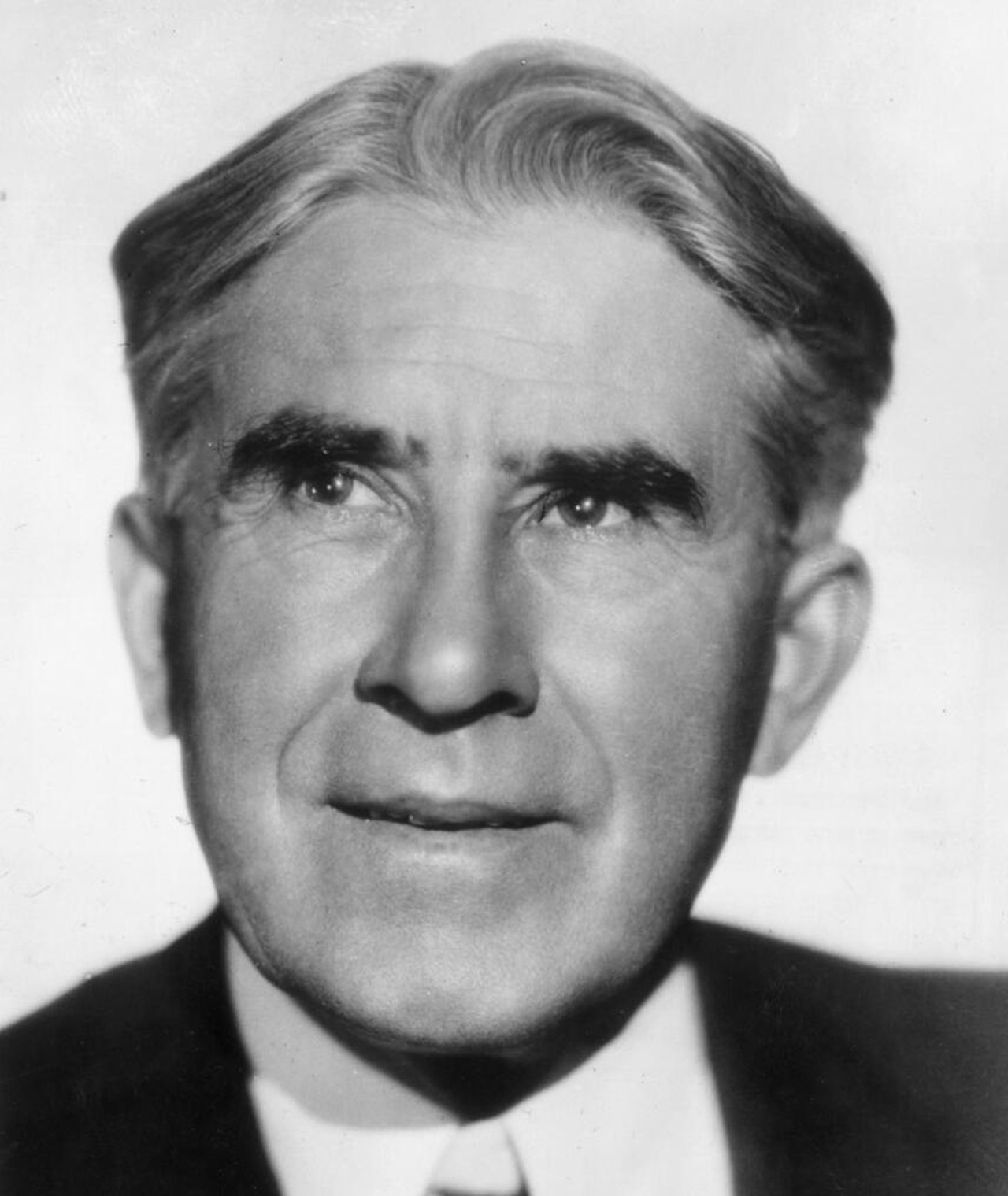
If you flip through the channels late at night and stumble onto a grainy black-and-white Western where the host looks like he stepped out of a high-end 1950s lounge, you’ve probably found it. Dick Powell’s Zane Grey Theatre isn't just another dusty relic from the era of "shoot-em-ups." It was the ultimate Hollywood velvet rope.
People today often assume these old Westerns were filled with "no-name" actors or guys who only did horse operas. Honestly? That couldn't be further from the truth. The Zane Grey Theater cast was a rotating door of absolute titans—Oscar winners, future superstars, and screen legends who wouldn't be caught dead on a normal TV set.
The Man in the Tuxedo: Dick Powell’s Power Play
You’ve gotta understand who Dick Powell was to get why this show was so stacked. He wasn't just the host. He was the boss. Powell was a co-founder of Four Star Television, and he had a Rolodex that made most studio heads jealous.
Basically, he called in favors.
Powell appeared as the host in every single episode from 1956 to 1961, but he also stepped into the boots of various characters in about 15 episodes himself. He had this "tough guy" transition going on—moving from a 1930s crooner to a gritty noir actor—and he brought that intensity to the anthology format. He didn't just want actors; he wanted talent.
Why the Zane Grey Theater Cast Was the Best in the West
Because it was an anthology, there was no "permanent" cast beyond Powell. This was the secret sauce. High-profile film stars who were terrified of being "stuck" in a weekly TV series loved this show. They could ride in, do one heavy dramatic role, and leave.
Take Hedy Lamarr, for example. She was the "most beautiful woman in the world" and a massive film star. Guess where she made her only television dramatic appearance? Right here, in the 1957 episode "Proud Woman."
Then you had:
- Jack Lemmon: Before he was a comedy deity, he starred in "The Three Graves" in 1957.
- Ginger Rogers: Yes, the dancing partner of Fred Astaire. She traded the ballroom for the frontier in "Never Too Late."
- Joan Crawford: One of the biggest names in the history of cinema showed up in "And the Evening and the Morning."
- Claudette Colbert: She brought serious prestige to "So Young the Savage Land."
It's kinda wild when you think about it. Imagine a modern anthology show today getting Meryl Streep or Leonardo DiCaprio for a 30-minute one-off. That was the level Powell was playing at.
The "Incubator" Effect: Launching TV’s Biggest Hits
Most people don't realize that Zane Grey Theatre was basically a laboratory for spin-offs. It’s the reason some of your favorite classic shows even exist.
The most famous one? The Rifleman. The pilot for that iconic series was actually an episode titled "The Sharpshooter," starring Chuck Connors. If that episode hadn't landed, we might never have seen Lucas McCain and his modified Winchester.
But it didn't stop there. The show also birthed:
- Trackdown: Starring Robert Culp. (Which itself eventually spun off Wanted: Dead or Alive with Steve McQueen).
- Johnny Ringo: Starring Don Durrant.
- The Westerner: Starring Brian Keith.
- Black Saddle: Starring Chris Alcaide.
Surprising Faces You Might Have Missed
If you watch the reruns closely, you’ll see actors who were just "kids" or "unknowns" at the time. A very young Burt Reynolds popped up. James Garner appeared before Maverick made him a household name. Even Micky Dolenz (long before The Monkees) showed up in an episode called "The Vaunted" in season three.
The writing was just as heavy. A guy named Aaron Spelling—who would later go on to produce Charlie’s Angels and Dynasty—wrote several of the scripts. He wasn't a "mega-mogul" yet; he was just a hungry writer cranking out stories about fallible, desperate people in the Old West.
What Really Made it Different?
Unlike Gunsmoke or Bonanza, where you knew the hero was going to win and be back next week, Zane Grey Theatre didn't guarantee a happy ending. Since the characters changed every week, the stakes were actually real. A character played by Robert Ryan or Jack Palance could actually die. They were "human, fallible men and women," as critics of the time noted. They were wracked with doubt and fear.
The show wasn't just about fast draws. It was about moral dilemmas.
How to Revisit the Cast Today
If you’re looking to dive back into these performances, here is the most practical way to handle it:
- Focus on Season One: This is the only season that has received a formal, high-quality DVD release (via VCI Entertainment). It contains 29 episodes and features some of the heaviest hitters like Walter Brennan and Ida Lupino.
- Check Digital Networks: Channels like Grit or MeTV often cycle through these episodes. Because it’s an anthology, you don't need to watch them in order. You can just pick the guest star you like and jump in.
- Look for the Pilots: If you're a fan of The Rifleman, finding the "Sharpshooter" episode is a must. It’s fascinating to see the subtle differences in the characters before they got their own series.
The Zane Grey Theater cast remains a high-water mark for 1950s television. It proved that the "small screen" could handle big-screen talent if the material was gritty and honest enough. Next time you see Dick Powell in that tuxedo, stay tuned—you’re probably about to see a masterclass from a Hollywood legend you didn't expect to find in the desert.



