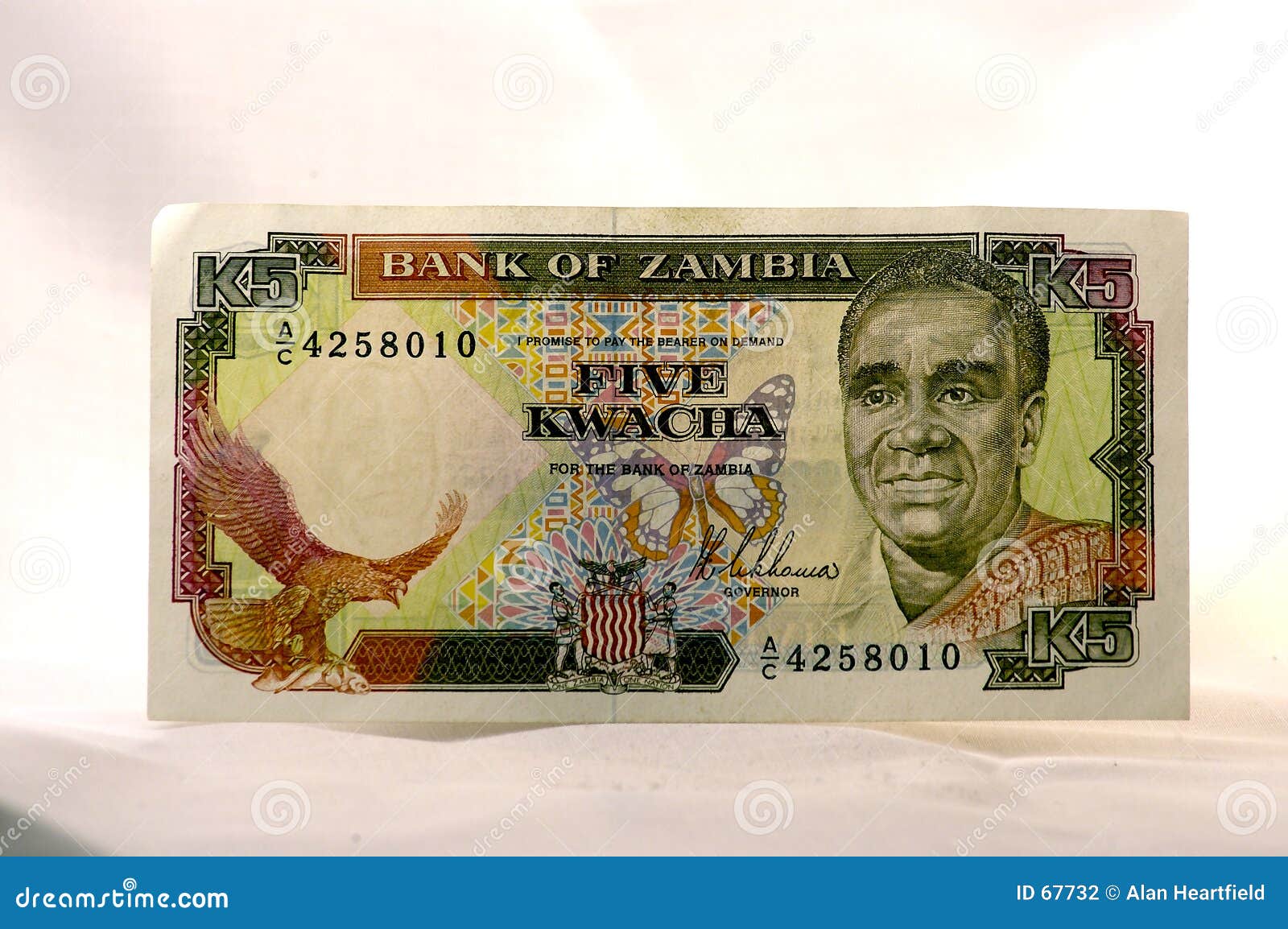
If you’ve been keeping an eye on your currency converter lately, you might have noticed something pretty wild happening with zambian money to usd. Honestly, most people expect emerging market currencies to just sort of drift downward against the dollar over time. It’s the standard script, right? But as of January 2026, the Zambian Kwacha (ZMW) is busy tearing that script to shreds.
Right now, $1$ US Dollar is hovering around $20.04$ Zambian Kwacha. To give you some context, just a few weeks ago, it was much weaker. In fact, in the first week of January 2026, the Kwacha went on a absolute tear, gaining over 10% in a single month. It actually became the best-performing currency in the world for a hot minute.
What is actually driving this?
This isn't just luck. It's a mix of massive copper prices and some very aggressive moves by the Bank of Zambia. Copper is the lifeblood of the Zambian economy, and with global prices hitting record highs—sometimes blasting past $13,000 per ton—the country is raking in more foreign exchange than it has in years.
But there’s a deeper, kinda spicy policy reason for this shift. In late 2025, the government basically told everyone: "Stop using Dollars for local stuff." They banned foreign currencies for domestic transactions. Suddenly, everyone who was sitting on piles of USD to pay their rent or buy cars had to dump those dollars and buy Kwacha.
The Current State of Zambian Money to USD
If you’re trying to exchange money today, you’ll find that the retail rates at banks like Zanaco or Absa Zambia are generally around $19.98$ for buying and $20.08$ for selling. It’s a tight spread, which is usually a sign of a healthy market.
Check out how things have shifted in just the last year:
- January 2025: The Kwacha was struggling, trading at nearly $28$ to the dollar.
- October 2025: It hit a 23-month high of $22.04$ as debt restructuring finally gained steam.
- January 2026: It broke the $20$ barrier briefly, a level many analysts thought was impossible a year ago.
The volatility is real, though. Don't let the "best performing" title fool you into thinking it's a smooth ride. If you're a business owner in Lusaka or a traveler planning a safari in South Luangwa, these swings can be a headache.
Why copper is the "New Oil" for the Kwacha
Zambia is Africa’s second-largest copper producer, trailing only the DRC. When EV manufacturers and tech giants demand more copper for batteries and wiring, the Kwacha feels the love.
But relying on one metal is risky. We've seen this movie before. In 2024, a severe drought crippled Zambia’s hydroelectric power, which slowed down the mines and sent the Kwacha into a tailspin. The only reason we’re seeing this 2026 surge is because the rains returned and the mines are back at full throttle.
Managing the ZMW to USD Exchange: Real Tips
Look, if you need to move money, don't just walk into the first bureau de change you see at Kenneth Kaunda International Airport. You'll get crushed on the rates.
- Use the Interbank Rate as Your North Star: Always check the Bank of Zambia (BoZ) website first. If the mid-rate is $20.00$ and a booth is offering you $18.50$, they are taking a massive cut.
- Timing the Market is Hard: Because of the new "Kwacha-only" domestic rule, there is a huge demand for ZMW at the end of every month when companies pay taxes. Usually, the Kwacha gets a bit stronger then.
- Digital is Better: Apps like Airtel Money or MTN Mobile Money often have surprisingly competitive rates for smaller transfers compared to traditional wire transfers.
The Debt Factor
You can't talk about zambian money to usd without mentioning the "D" word: Debt. For a few years, Zambia was technically in default. That’s a huge red flag for investors.
However, by March 2025, the government successfully restructured over 92% of its external debt. This was huge. It’s the main reason S&P and Fitch upgraded Zambia’s credit rating. When the "Default" label was removed, the "Risk Premium" on the Kwacha dropped, making it much cheaper to trade.
The 2026 Outlook: Will it Last?
The International Monetary Fund (IMF) is projecting GDP growth for Zambia to hit 6.4% this year. That is massive. Most Western economies would kill for those numbers.
But there's always a "but." The 2026 National Budget is under pressure. While the currency is strong now, inflation is still sitting around 9% to 12%. If the government spends too much leading up to the next election cycle, the Kwacha could easily lose its "world-beating" status.
Actionable Steps for 2026
If you're holding Kwacha or planning to buy some, keep these specific triggers on your radar:
- Monitor Copper Prices: If copper drops below $10,000/ton, expect the Kwacha to weaken almost instantly.
- Watch the BoZ Policy Rate: It’s currently at 14.25%. If they lower this to stimulate growth, it might make the currency less attractive to foreign investors looking for high yields.
- Verify Domestic Pricing: If you're in Zambia, ensure you are being quoted in Kwacha. The law now strictly forbids quoting in USD for local services, which actually protects you from being "overcharged" based on arbitrary exchange rates.
The takeaway? The Kwacha is finally finding its feet after years of being pushed around by global markets. It’s no longer just a "commodity currency"—it’s a reflection of a country that’s finally getting its fiscal house in order.
Next Step: Check the live interbank rates at the Bank of Zambia official portal before committing to any large transaction, as mid-day fluctuations in 2026 have been as high as 2% in a single session.