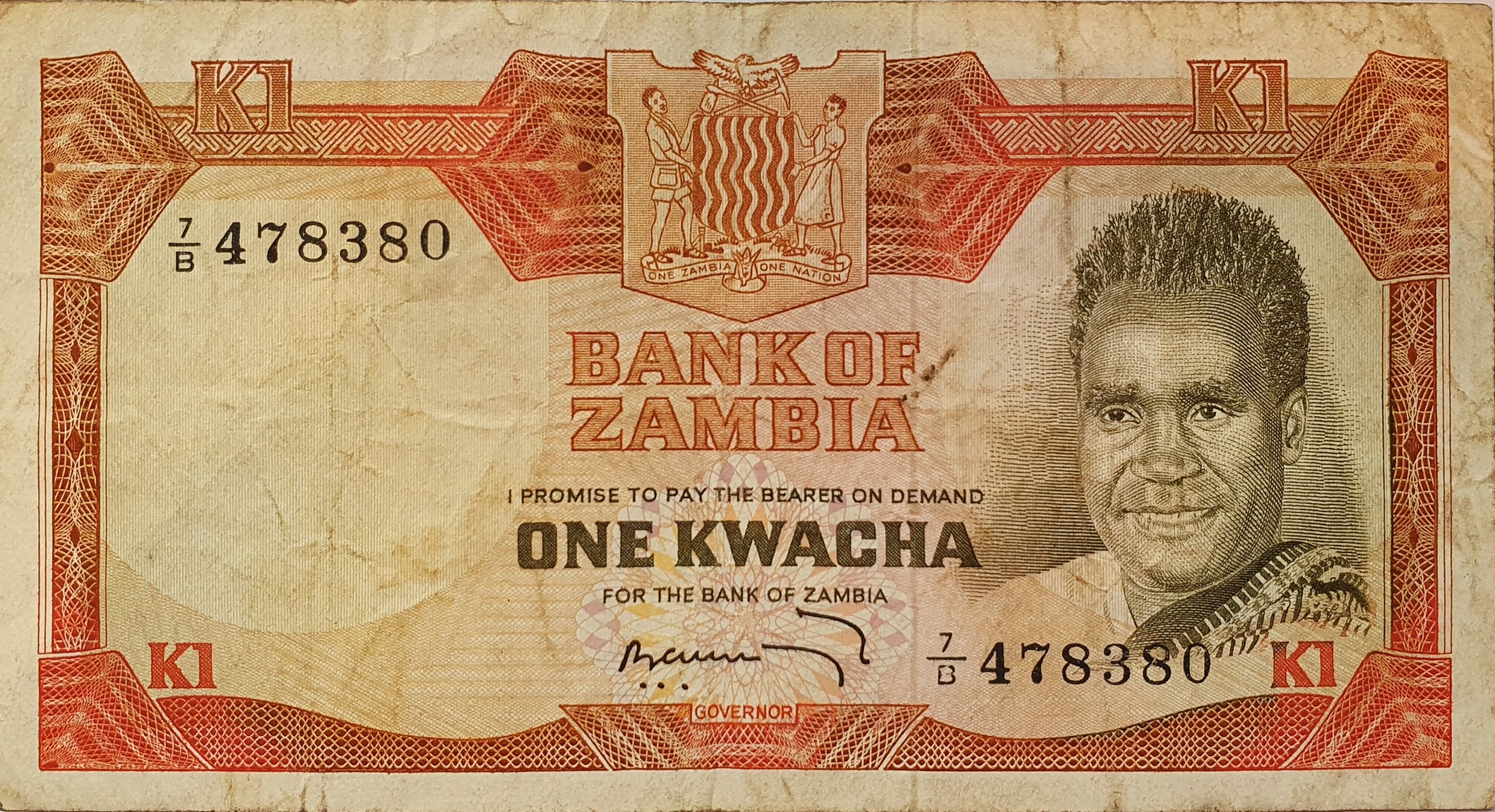
Honestly, if you're looking at the zambian kwacha to a dollar rate right now, you’re probably seeing a lot of conflicting signals. One day it’s strengthening because of copper prices, and the next, it’s twitchy because of election jitters. As of mid-January 2026, the rate is hovering around K19.70 to K19.85 per US dollar. It’s a far cry from the volatility of 2024, but it’s definitely not "set it and forget it" territory.
You’ve got to understand the ground reality in Lusaka or Kitwe versus what the Bloomberg terminals say. People keep waiting for a "magic number," like a return to K10, but that's just not how the current macro-environment works.
Why the zambian kwacha to a dollar rate is acting so weird lately
The big story is copper. It’s always copper. Zambia is Africa’s second-largest producer, and with the global push for EVs and green energy, demand is insane. The government under President Hakainde Hichilema has been pushing to hit 1 million metric tons of annual production by late 2026, aiming for 3 million eventually. When that copper moves, the Kwacha breathes.
But there’s a new player in town: the Chinese Yuan.
Just a couple of weeks ago, at the start of January 2026, Zambia did something that made international headlines. They became the first African nation to formally accept Yuan for mining tax payments. Now, don't let the "de-dollarization" alarmists freak you out. This isn't about killing the dollar. It’s a pragmatic move. Since so much of Zambia’s trade and debt is China-facing, allowing mines to pay taxes in Yuan reduces the "dollar-demand spikes" that used to happen every time a tax deadline hit.
Basically, it smooths out the bumps.
The IMF exit and the 2026 election factor
Here is what most people are missing. Zambia recently withdrew its request to extend the IMF’s Extended Credit Facility (ECF). The program is officially wrapping up this month, January 2026.
Why?
Elections are coming in August.
Historically, Zambian elections and currency stability are like oil and water. They don't mix well. When the IMF is in the room, there’s a level of fiscal discipline that markets trust. With the program ending and the government wanting to "consolidate economic gains" (read: keep voters happy), there’s a fear that spending might ramp up. If the Bank of Zambia (BoZ) has to print more to cover election-year projects, the zambian kwacha to a dollar rate will feel the heat.
Understanding the "Real" exchange rate vs. the bank rate
If you go to a major bank in Lusaka like Stanbic or ABSA, you’re going to see one rate. If you go to a bureau de change at Manda Hill, you’ll see another.
The "spread"—that’s the difference between what they buy and sell for—has actually narrowed quite a bit. Back in late 2024, the spread was huge because nobody knew where the floor was. Now, it’s tighter.
- Bank Rates: Usually the most stable but come with higher transaction fees if you're moving large amounts.
- Bureaus: Better for quick cash, often giving you a slightly better mid-market rate if you’re exchanging $500 or more.
- Black Market: Still exists, but honestly? It’s rarely worth the risk anymore. The official market is liquid enough that the "street rate" isn't significantly better.
What is actually driving the Kwacha in 2026?
It’s a mix of three things. First, the Bank of Zambia's Monetary Policy. In late 2025, the BoZ actually cut the policy rate to 14.25%. They did this because inflation started behaving, dropping toward that 6-8% target band. When interest rates go down, the currency can sometimes weaken because it’s less attractive to hold, but since the cut was small, it mostly just signaled "we’re stable."
Second, the Debt Restructuring. Zambia has finally crawled out of the 2020 default hole. Most of the $13 billion in external debt has been reworked. This has freed up fiscal space. Instead of every dollar leaving the country to pay interest, some of it is staying home.
Third, Energy. The 2024 drought was a disaster for hydropower (Kariba North Bank was basically a puddle). But with the 2025/2026 rainy season looking better and new solar projects coming online—like the massive 1,300MW project from the Amsons Group—the "energy import bill" is shrinking. Less money spent on importing power means more support for the Kwacha.
Misconceptions about the zambian kwacha to a dollar peg
Some folks still think the Kwacha is "managed" or pegged. It’s not. It’s a floating currency. The Bank of Zambia intervenes only to stop "disorderly volatility." If the Kwacha drops 5% in an afternoon, the BoZ will step in and sell some of its $5.2 billion in reserves to calm things down. But they won't fight a long-term trend.
If the US Federal Reserve keeps interest rates high in Washington, the dollar stays strong globally. That makes it harder for the Kwacha to gain ground, regardless of what happens in Lusaka.
Actionable steps for 2026
If you’re a business owner or an investor watching the zambian kwacha to a dollar pair, you can’t just react. You have to anticipate.
- Watch the Mining Production Reports: Don't just look at the price of copper on the London Metal Exchange. Look at the volume coming out of First Quantum and Mopani. High prices don't help if the copper is stuck in the ground.
- Monitor Foreign Reserves: If you see the Bank of Zambia’s reserves dipping below 3 months of import cover (currently it's around 4 months), expect the Kwacha to weaken.
- Hedge for August: The election is the "X-factor." If you have big USD obligations due in September or October, consider buying your dollars now. History shows the Kwacha usually gets "twitchy" about 60 days before a vote.
- Use the Yuan option if you can: If you're doing business with Chinese suppliers, check if you can settle in CNY. It avoids the double-conversion (ZMW to USD to CNY) that eats your margins.
The zambian kwacha to a dollar story in 2026 is one of "cautious recovery." We aren't in the crisis mode of 2020, but we aren't in the boom years of 2011 either. It’s a middle ground. Stay informed on the BoZ MPC statements and keep an eye on the rainfall—because in Zambia, even the weather dictates the exchange rate.
Focus your strategy on liquidity. Don't tie up all your capital in Kwacha-denominated assets if you have USD liabilities, especially as we approach the Q3 election cycle. The stability we see now is hard-earned, but in a resource-dependent economy, it's always fragile.