You’re standing on the corner of Charleston and 6th in Las Vegas. It’s hot. The sun is beating down on a 1938 Tudor-style mansion that looks like it was plucked out of a different century and dropped into the desert. Most people in this city are chasing a jackpot or a hangover, but the folks standing in this line? They’re waiting to sign a legal waiver that says they won't sue if they leave with a "demonic attachment."
Zak Bagans' The Haunted Museum isn't a wax museum. It isn’t a jump-scare attraction with teenagers in rubber masks. It’s a 13,000-square-foot collection of things that probably shouldn't be under one roof.
Honestly, the vibe starts before you even get through the door. You’ve got "Angry Joe"—a museum staple—keeping the line in check while eerie music drifts from hidden speakers. Once you’re inside, the air conditioning hits you, but so does something else. A heaviness. Or maybe that's just the psychological weight of knowing you're about to look at the same van where Dr. Jack Kevorkian helped over 130 people end their lives.
The Dybbuk Box and the Reality of the "Curse"
If there is a "crown jewel" in Bagans’ collection, it’s the Dybbuk Box. You’ve probably seen the 2012 movie The Possession. That was inspired by this exact wine cabinet. It sits in a room behind glass, hermetically sealed because, according to Zak, even the air around it is dangerous.
But here’s where things get murky.
In 2021, Kevin Mannis—the antique dealer who originally sold the box on eBay—admitted the whole thing was a "creative story." He basically said he’s a writer and he wanted to see if he could create an interactive horror story. He carved the symbols into the back himself. He made up the Holocaust survivor backstory.
Does that stop people from fainting in the room? Nope.
Skeptics like Kenny Biddle have pointed out that many of the "haunted" claims are likely the result of the Nocebo effect. Basically, if I tell you a box is cursed and then your car breaks down, you blame the box. But even if the story was born from a marketing ploy, the museum treats it with deadly seriousness. Zak himself claims he suffered health issues after opening it during a televised special. Whether you believe in spirits or just the power of suggestion, that room feels different. It’s darker. Cold. You’ll see people staring at the box with their hands in their pockets, terrified to even accidentally brush the glass.
Peggy the Doll: Why You Shouldn't Look
Peggy is a three-foot-tall doll with blue eyes and blonde hair. She looks like something your grandma would keep on a shelf. But at Zak Bagans' The Haunted Museum, she’s kept in a dedicated room where cameras watch her 24/7.
The warnings are intense.
Guides tell you that looking her in the eye can cause migraines, nausea, or even heart attacks. Back in 2015, when her photo first went viral online, nearly 80 people reported physical ailments just from seeing the image on their screens.
I’ve watched visitors walk into that room and immediately turn their heads. It’s a weird kind of peer pressure—you don't want to be the one who "tests" it and ends up in a Vegas ER. Zak says he’s encountered Robert the Doll and Annabelle, but Peggy is the one that actually messed with his head. During filming for Deadly Possessions, he claimed flies manifested out of nowhere while he was with her.
Is it a spirit? Or is it a doll that looks just "uncanny valley" enough to trigger a panic response?
The Macabre History of the Wengert Mansion
The building itself has a history that predates Zak’s arrival. Built by Cyril S. Wengert, a local businessman, the mansion has long carried rumors of dark rituals. In the 1970s, it was whispered that a cult used the basement for ceremonies.
Zak leaned into that.
The basement is now one of the most unsettling parts of the tour. It’s dim, cramped, and smells like old wood and damp earth. You’ll see the "Staircase to Hell"—the actual wooden banister and steps taken from the "Demon House" in Gary, Indiana. Zak bought the house, filmed a documentary there, and then had the whole place demolished. He kept the dirt from under the house and the stairs.
Standing next to those stairs, you realize this isn't just about ghosts. It’s about the artifacts of trauma.
Artifacts of the "Butcher of Plainfield"
One of the more recent and controversial additions is the collection of items belonging to Ed Gein. If you don't know the name, Gein was the real-life inspiration for Psycho, The Texas Chain Saw Massacre, and The Silence of the Lambs.
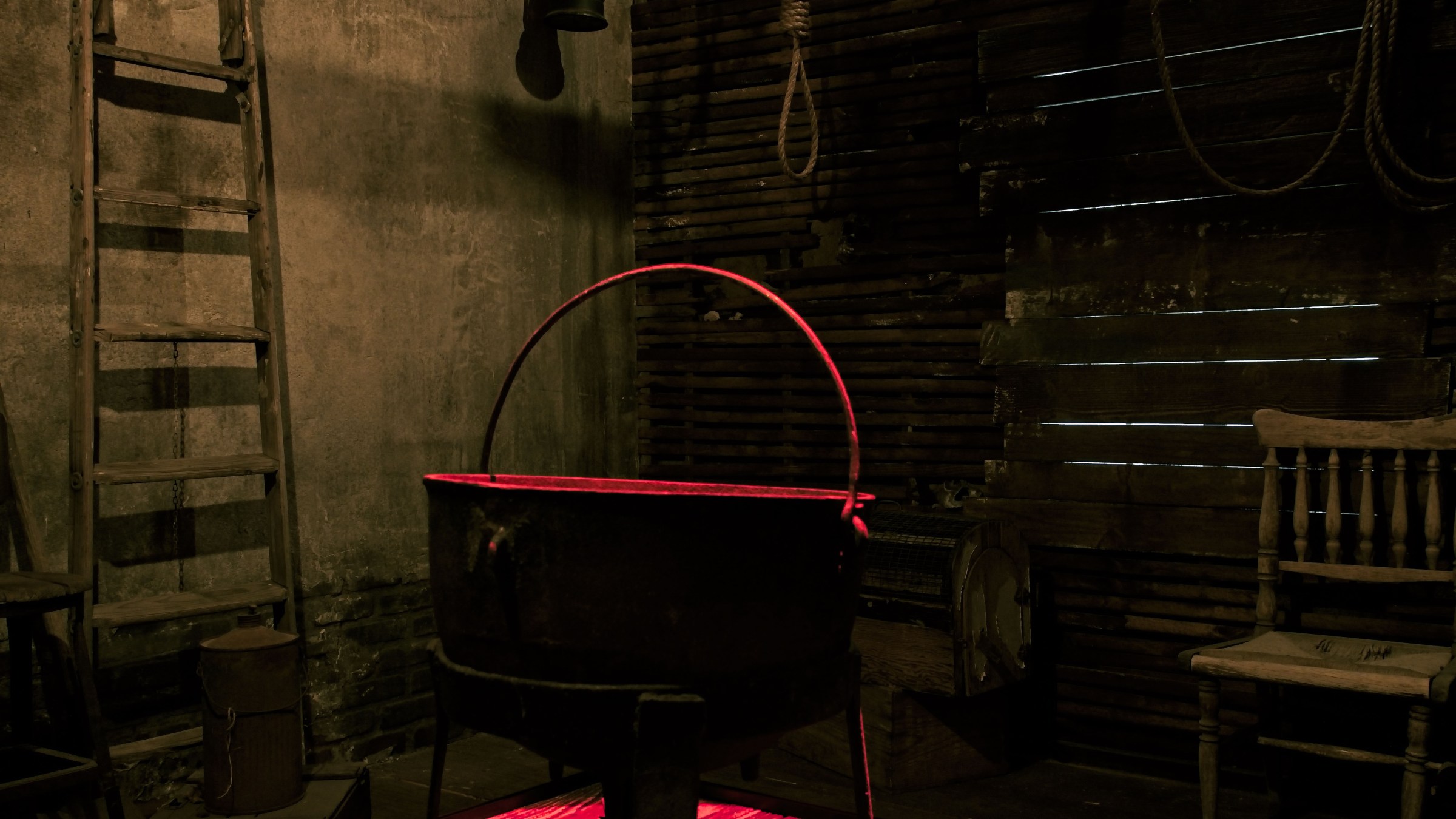
The museum houses his cauldron.
Yeah, the one he reportedly used to hold human remains.
Some visitors claim they smell cooking meat when they enter that room. Others find the whole thing exploitative. It’s a fine line between "preserving history" and "glorifying a serial killer." But that’s the niche Bagans has carved out. He isn't interested in the "light" side of the paranormal. He wants the grit. He wants the things that make your skin crawl.
Tips for Surviving Your Visit
If you're actually going to go, don't just show up. This isn't a walk-in gallery.
- Book your tickets weeks in advance. They sell out constantly. Especially the "RIP All Access" tickets which let you into rooms the general public can't see.
- Bring a valid ID. No one under 14 is allowed. Period. They are strict about this. If you’re 14-17, you need a parent to sign your life away with you.
- Wear comfortable shoes. You’re going to be standing and walking through 30+ rooms for about two hours. There aren't many places to sit down.
- No phones. They will make you lock your phone in a pouch or leave it in your car. No photos. No videos. They want you "present," which is code for "we don't want our secrets on TikTok."
- Check your ego at the door. If a guide says "don't touch," don't touch. Aside from the "curses," these are genuine historical artifacts. Some are incredibly fragile.
The Reality of the Experience
Let’s be real for a second. Is it a tourist trap?
In some ways, yes. The $54+ ticket price is steep. The animatronic Zak Bagans that greets you at the start of the tour is a bit "Disney-esque." The theatrical lighting and soundscapes are designed to keep you on edge.
But.
There is something undeniable about being in a room with objects that have seen so much death and sorrow. Whether you believe a spirit is attached to Dr. Kevorkian's van or not, the van is real. The history is real.
The museum forces you to confront the reality of the macabre. It’s a sensory overload of the "Forbidden." You spend two hours looking at things that society usually hides away in evidence lockers or psychiatric files.
When you finally step back out into the bright Las Vegas sun, the heat feels different. The crowds on the Strip seem a little more "alive" than they did before you went in. Maybe that’s the real value of the place—it makes life feel a little more precious by showing you the darkest parts of the alternative.
To make the most of your trip, aim for a weekday morning tour to avoid the heaviest crowds. If you’re a local or military, bring your ID for a discount. Once you leave, take ten minutes to just sit in your car and decompress. It sounds dramatic, but your brain needs a second to transition from "1938 haunted mansion" back to "modern-day Vegas." You'll likely find yourself googling the names of the artifacts for the next three days. That's the Zak Bagans effect. It lingers.



