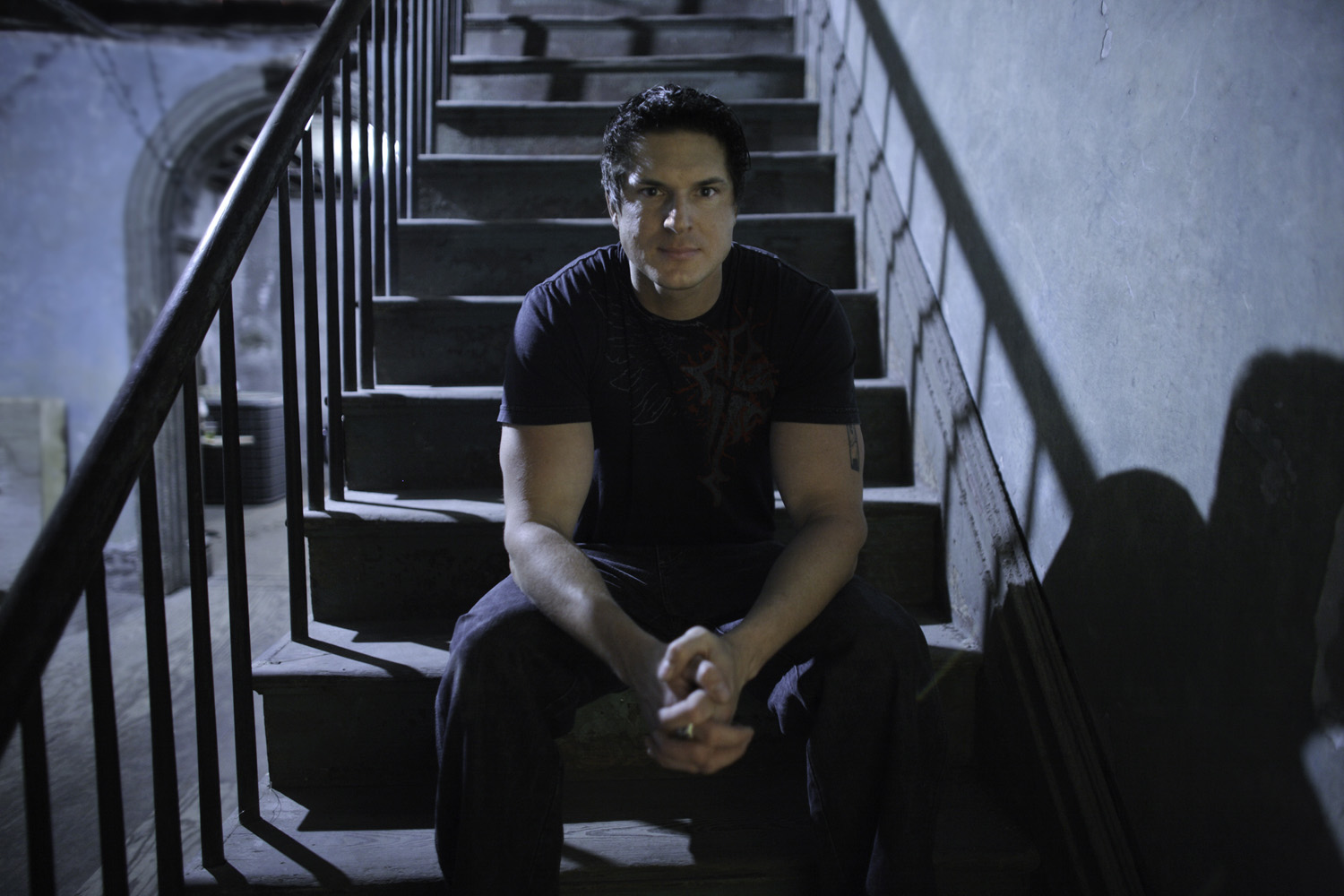
Zak Bagans is a polarizing figure. There’s no way around it. If you’ve spent any time watching Zak Bagans Ghost Adventures over the last two decades, you know the drill: the black T-shirts, the aggressive "bro-style" taunting of entities, and the heavy atmosphere of a locked-down asylum. It started as a raw, independent documentary in 2004—three guys, one camera, and a very famous "brick flying" incident at the Goldfield Hotel. Now, it’s a massive media empire on Discovery+ and the Travel Channel that has fundamentally changed how the world looks at the paranormal.
Honestly, it’s weird to think about how much the show has evolved. What began as a scrappy investigation into the unknown became a blueprint for every ghost hunter with a YouTube channel. Bagans, along with Aaron Goodwin and later Billy Tolley and Jay Wasley, turned "the lockdown" into a cultural phenomenon. They weren't just looking for ghosts; they were picking fights with them.
The Evolution of the Lockdown
In the early seasons, the vibe was purely DIY. You had the core trio—Zak, Nick Groff, and Aaron—getting locked inside places like Eastern State Penitentiary or the Moundsville Penitentiary from dusk till dawn. No camera crew. No safety net. That isolation is what made Zak Bagans Ghost Adventures stand out in a sea of paranormal TV. While other shows felt like over-produced "gotcha" segments, the early lockdowns felt genuinely claustrophobic.
Bagans has always been the lightning rod for criticism. Skeptics call his "possessions" or his sudden bursts of anger—often attributed to "dark energies"—performative. But fans argue it’s just his sensitivity. He calls himself an empath. Whether you believe that or not, his physical reactions have become the show's trademark. He’ll stop mid-sentence, eyes wide, and claim he feels an overwhelming sense of dread or physical pain. It’s high drama, sure, but it’s also what keeps the ratings high.
Why Goldfield Still Matters
You can't talk about the show without mentioning the Goldfield Hotel. It's the origin story. When that brick flew across the room in their original documentary, it wasn't just a "spooky moment." It was the proof-of-concept. That single piece of footage is largely responsible for getting the show greenlit as a series in 2008.
Decades later, they went back. The 2021 special Goldfield Hotel was a return to their roots, though by then, the gear had changed. They swapped out basic night-vision camcorders for SLS (Structured Light Sensor) cameras that map out "stick figures" in empty space. It’s a polarizing piece of tech. Some paranormal investigators swear by it; others think it’s just the software misinterpreting a chair leg as a human torso. But on Zak Bagans Ghost Adventures, it’s a staple.
The Tech and the "Bro-Science" of Ghost Hunting
The equipment is where things get really interesting. Bagans is obsessed with the latest gadgets. He’s moved far beyond the standard K-II meter. Now, the crew uses things like the Polterpod, the Ovilus (which supposedly translates energy into words), and Digital Voice Recorders that pick up EVPs (Electronic Voice Phenomena) in real-time.
The Gear That Defined an Era
- The SLS Camera: This modified Kinect sensor is the show's most visual tool. When a stick figure starts dancing on a bed where no one is sitting, it makes for incredible television.
- The Spirit Box: You know that rapid-fire static sound? That’s the SB7 or SB11. It sweeps through radio frequencies, and the idea is that spirits use that white noise to form words.
- Thermal Imaging: Using FLIR cameras to detect cold spots or heat signatures that shouldn't be there.
Does it work? Science says it’s mostly pareidolia—our brains trying to find patterns in random noise or shapes. But Bagans doesn't care about the academic consensus. He cares about the experience. He’s created a specific aesthetic for ghost hunting that emphasizes the feeling of being haunted over the clinical data.
The Controversy of the Haunted Museum
Zak Bagans didn't just stay on the screen. He brought the ghosts to Las Vegas. The Zak Bagans' Haunted Museum is a massive collection of "cursed" objects, ranging from the Dybbuk Box to the van Jack Kevorkian used. It’s basically the physical manifestation of the show.
There’s a lot of debate in the paranormal community about the ethics of this. Is it dangerous to keep all these "dark" objects in one place? Or is it just a very clever tourist trap? People have reportedly fainted or had "attachments" follow them home after visiting. Bagans plays into this heavily, requiring visitors to sign waivers. It’s a masterclass in experiential marketing. He isn't just selling a show anymore; he's selling an encounter.
Why the Fans Stay Loyal
Why has Zak Bagans Ghost Adventures outlasted almost every other paranormal show? It’s the chemistry. Even when the show feels over-the-top, the friendship between Zak and Aaron feels real. Aaron is the "everyman." He’s the one who gets sent into the dark basements alone while Zak stays in the nerve center. His reactions—genuine terror, wide-eyed stares, and his catchphrase "Dude!"—balance out Zak’s intensity.
The show has survived the departure of Nick Groff, which was a massive scandal at the time. Fans were split. But the addition of Billy and Jay as full-time investigators actually deepened the technical side of things. They brought a more analytical (if still TV-friendly) approach to the evidence.
The Psychological Toll of the Paranormal
One thing people rarely discuss is the actual impact this career has had on the crew. Bagans has been open about his health struggles. He’s claimed that years of "inviting" spirits into his body has left him with permanent damage. In several episodes, you see him wearing a respirator or dealing with mysterious ailments.
Critics argue this is part of the "character," but there’s a real psychological weight to spending 20 years in abandoned hospitals and murder houses. Whether the ghosts are real or it’s just the power of suggestion, the stress on the human body from constant "fight or flight" responses is documented. The crew isn't just acting; they are living in a state of high-intensity paranoia for weeks at a time during filming.
Sorting Fact from Friction in Investigations
When you watch Zak Bagans Ghost Adventures, you have to learn how to filter the evidence. There are the "Class A" EVPs—voices that are so clear you can’t deny them. Then there are the stretches. Sometimes they’ll hear a "bang" and immediately jump to "that was a demonic entity."
It’s important to look at the history of the locations. The show does a great job of digging up old newspaper clippings and interviewing locals. This historical context gives the "hauntings" weight. When they investigate the Oman House or the Villisca Axe Murder House, the history is the foundation. The "ghosts" are just the characters that inhabit that history.
Common Misconceptions About Zak’s Methods
People think he’s always shouting. In reality, modern episodes are much more quiet. He’s shifted toward a "provocation" style that is more measured. He still gets aggressive, but he also spends a lot of time in silence, waiting for a response.
Another misconception is that the show is entirely faked. While "reality" TV always has an element of editing and staging for narrative flow, many former crew members and guest investigators have stated that the experiences they had on set were very real. The "flying objects" and physical touches are often caught on multiple cameras simultaneously.
Actionable Steps for Paranormal Enthusiasts
If you’re a fan of the show and want to dive deeper into the world Bagans has built, you don't have to just sit on your couch.
Research the "Debunking" First The best way to appreciate the show is to understand what isn't a ghost. Learn about "matrixing"—where the brain sees faces in shadows. Understand how "creaky floors" react to temperature changes. When you know the natural explanations, the truly "unexplained" moments in the show become much more impressive.
Visit the History, Not Just the Ghost Many of the locations featured on Zak Bagans Ghost Adventures are open to the public. Places like the Ohio State Reformatory offer history tours. Going there helps you realize that these aren't just "spooky sets." They are real places with tragic, complex human stories.
Try Basic EVP Sessions You don't need a $5,000 thermal camera. Use your phone's voice memo app in a quiet room. Ask a question, wait ten seconds, and ask another. You’ll be surprised at how much ambient noise the human ear misses that a microphone picks up. It gives you a tiny taste of what the crew does during their long nights in the dark.
The legacy of the show isn't just about the scares. It’s about the curiosity. Zak Bagans turned a niche hobby into a mainstream obsession. Whether he’s a visionary or a showman, he’s made us all look a little more closely at the shadows in the corner of the room.
The most effective way to engage with this world is through a balance of skepticism and an open mind. Start by looking into the historical archives of your own local area. Every town has a "haunted" spot. Digging into the actual public records of those locations often reveals stories more chilling than anything seen on a screen. By cross-referencing local lore with historical facts, you develop a much sharper eye for the "evidence" presented in televised investigations. This analytical approach turns passive watching into active investigation, allowing you to separate the Hollywood flair from the genuine mysteries of the unknown.



