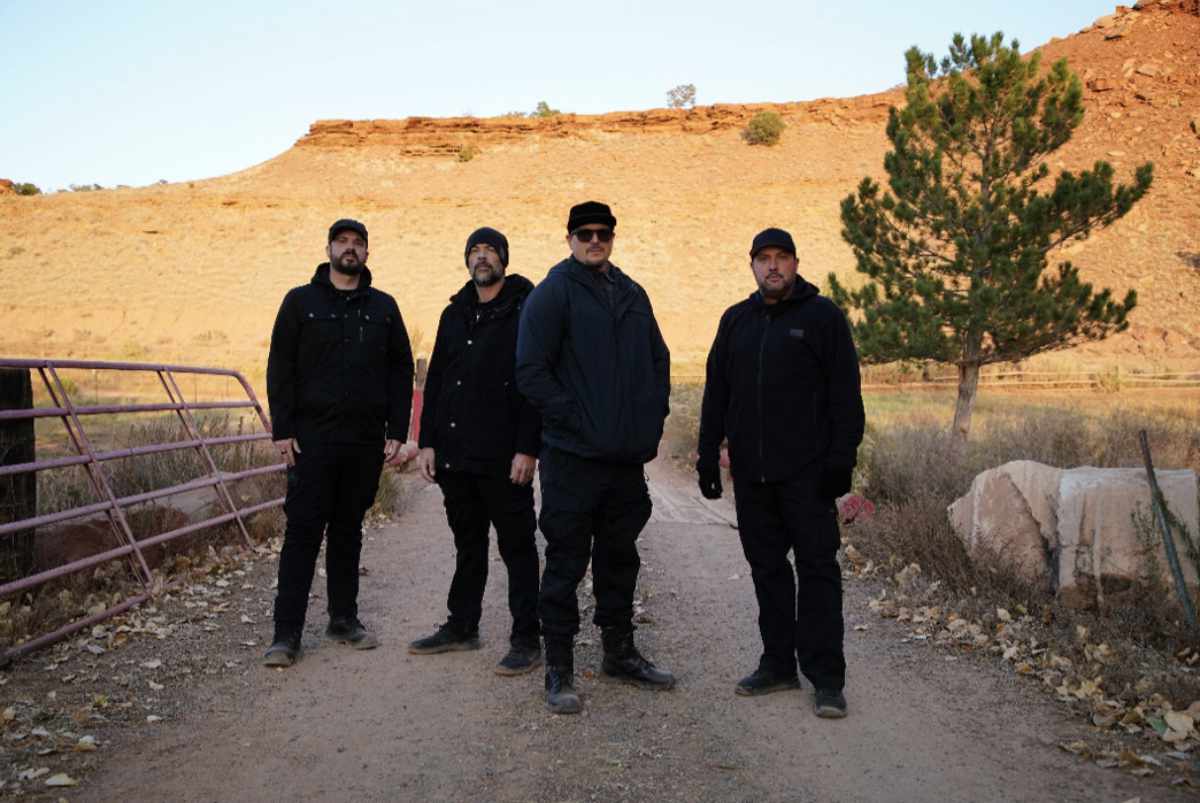
Zak Bagans isn't just a guy who yells at ghosts in the dark. If you've spent any time on Travel Channel or Discovery+ over the last two decades, you know the silhouette: the black t-shirt, the heavy boots, and that specific brand of aggressive curiosity. He’s the face of Ghost Adventures, a show that fundamentally changed how we consume the paranormal. It’s been a long road from that first 2004 documentary at the Goldfield Hotel to becoming the owner of a massive haunted museum in Las Vegas.
People love to meme him. They mock the "bro" energy and the way he seems to get "possessed" every third episode. But look past the sunglasses he wears indoors. Bagans has built an empire on a very specific type of investigative theater that actually pioneered techniques used by almost every amateur ghost hunter today. He didn't just join the paranormal TV craze; he defined the aesthetic for an entire generation.
The Raw Origins of Zak Bagans and Ghost Adventures
It started with a terrifying encounter. Zak often tells the story of meeting the spirit of a suicide victim in his apartment building in Trenton, Michigan. That wasn't a scripted TV moment; it was the catalyst. Before the fame, he was a wedding DJ who went to film school. That background in production is exactly why Ghost Adventures looks the way it does. He knew how to frame a shot to make a hallway look infinite and terrifying.
In 2004, he teamed up with Nick Groff and Aaron Goodwin. They weren't a massive crew with trailers and craft services. They were three guys with cameras. The "lockdown" wasn't just a gimmick back then; it was a necessity because they didn't have the budget for a support team. When they captured that footage of the brick flying in the Goldfield Hotel, it changed everything. That grainy, chaotic clip is arguably the most famous piece of paranormal evidence in modern history. It felt real because it was messy.
Why the Bagans Style Actually Works for TV
You’ve probably noticed how different his show feels compared to Ghost Hunters. While the TAPS crew was all about debunking and staying calm, Zak went the other way. He provoked. He shouted. He challenged entities to "come at him."
It’s easy to call it performative. Honestly, some of it definitely is. It's television. But there is a psychological layer here that’s fascinating. By being aggressive, Bagans creates a high-tension environment that makes for great viewing. He treats the spirits like bullies that need to be stood up to. This "bro-paranormal" style paved the way for dozens of imitators, but nobody quite captures the same level of genuine, high-strung anxiety that Zak brings to a basement in Ohio.
His evolution from a researcher to a curator is the real story, though.
The Haunted Museum in Las Vegas is a 30-room labyrinth of things that should probably be buried in the desert. He’s got the Dybbuk Box. He’s got the "Proprioception" chair from the Kevorkian "Death Mobile." He’s even got the staircase from the "Demon House" in Indiana—a house he eventually had demolished because he claimed the energy was too dangerous. You have to respect the commitment to the bit, even if you’re a skeptic. He doesn't just talk about the paranormal; he lives in it. He surrounds himself with the artifacts of death.
The Tech That Defined an Era
We have to talk about the gadgets. Zak Bagans loves a glowing box.
The Spirit Box (SB7) is a staple of the show. It sweeps through radio frequencies, creating a white noise "chopping" sound. When a word comes through that matches the location—like a name or a specific threat—it’s chilling. Skeptics call it audio pareidolia, which is basically the brain finding patterns in random noise. Zak calls it communication.
Then there’s the SLS camera. You’ve seen it: the green-screen stick figures dancing on the walls. It uses Xbox Kinect technology to map joints. When it identifies a "person" where no person is standing, the show goes into overdrive.
- Digital Recorders: Used for EVP (Electronic Voice Phenomena).
- EMF Meters: To find electromagnetic spikes.
- The Ovilus: A device that allegedly turns environmental readings into words from a pre-set dictionary.
- Thermal Imaging: Checking for "cold spots" that shouldn't exist.
The weirdest part? Zak has actually helped mainstream these tools. You can buy a "Ghost Hunting Starter Kit" online today that looks exactly like his equipment belt from 2012. He turned a niche hobby into a consumer tech market.
The Controversies and the "Demon House" Era
Everything changed around 2014. Nick Groff left the show. Fans are still divided on why, though rumors of creative differences and "faking" allegations have floated around for years. Zak became the undisputed leader of the brand. This is when the show got darker.
The "Demon House" documentary is a prime example. It wasn't just a standard investigation. Bagans claimed the house was a portal. He eventually suffered permanent eye damage (diplopia) which he blames on a demonic encounter in that basement. He wears those prism glasses now because of it. Whether you believe in demons or not, the guy has physical ailments he attributes to his job. That’s a level of "work-life balance" most of us couldn't handle.
Critics often point to the "possession" segments as the moment the show jumped the shark. Zak will suddenly start growling or acting out, and Aaron will look into the camera with that classic "not again" face. It’s polarized the audience. Half the fans think he’s a vessel for energy; the other half thinks he’s a frustrated actor.
But here is the thing: the ratings don't lie. People watch. They watch because Zak Bagans is a compelling protagonist. He’s the Captain Ahab of the ghost world, forever chasing a white whale that might actually kill him one day.
The Business of the Great Beyond
Bagans is a master of branding. He’s written books like Dark World and I am Haunted. He’s produced spin-offs like Aftershocks and Screaming Room. He understands that "The Paranormal" isn't just a topic; it’s a lifestyle.
His museum isn't a cheap tourist trap, either. It’s incredibly well-curated. He spends millions at auctions for macabre memorabilia. He bought the glasses worn by serial killer Jeffrey Dahmer and the "Death Van" of Jack Kevorkian. It’s a morbid collection, sure, but it’s also a preservation of dark history. He’s become a sort of dark archivist.
What Most People Get Wrong About Zak
The biggest misconception is that he’s a fraud who doesn't believe his own hype. If you watch him long enough, you realize he is genuinely terrified half the time. He’s a guy with extreme sensitivities—possibly sensory, possibly spiritual—who chooses to walk into the places the rest of us avoid.
He’s also surprisingly private. Outside of the show and his museum, he doesn't live the typical Hollywood life. He stays in his lane. He obsesses over history. He treats the locations—the sanitariums, the prisons, the old Victorian homes—with a strange kind of reverence. He wants to tell the stories of the people who died there, even if he does it while screaming at their ghosts.
Actionable Steps for Exploring the Bagans Universe
If you're looking to dive deeper into the world Zak has built, don't just binge the newest episodes. You need a roadmap.
- Watch the 2004 Documentary: Start where it began. The original Ghost Adventures documentary film is raw and lacks the polished "TV" feel of the series. It’s arguably more frightening.
- Visit the Museum (With Caution): If you’re in Vegas, the Haunted Museum is a must. But be warned: they make you sign a waiver for a reason. People frequently faint or have panic attacks in certain rooms.
- Cross-Reference the History: One of the best ways to enjoy the show is to look up the historical facts Zak mentions. He usually gets the "vibe" right, but the specific dates and names of the deceased are often more complex than a 42-minute episode allows.
- Listen to the Silence: Pay attention to the EVP segments. Instead of reading the subtitles on the screen, close your eyes and listen to the raw audio. It’s a great exercise in seeing if you hear what they hear, or if your brain is being coached by the production.
- Follow the Tech: If you're interested in the gear, look up the "Paranormal Puck" or "REM Pods." Understanding the science (or lack thereof) behind the tools makes the investigations much more interesting from a technical standpoint.
Zak Bagans remains a polarizing figure, but his impact on paranormal entertainment is undeniable. He took a fringe interest and turned it into a powerhouse genre. Whether he’s a visionary or a showman—or a bit of both—he’s ensured that we’ll all be looking into the shadows just a little more closely for a long time to come.



