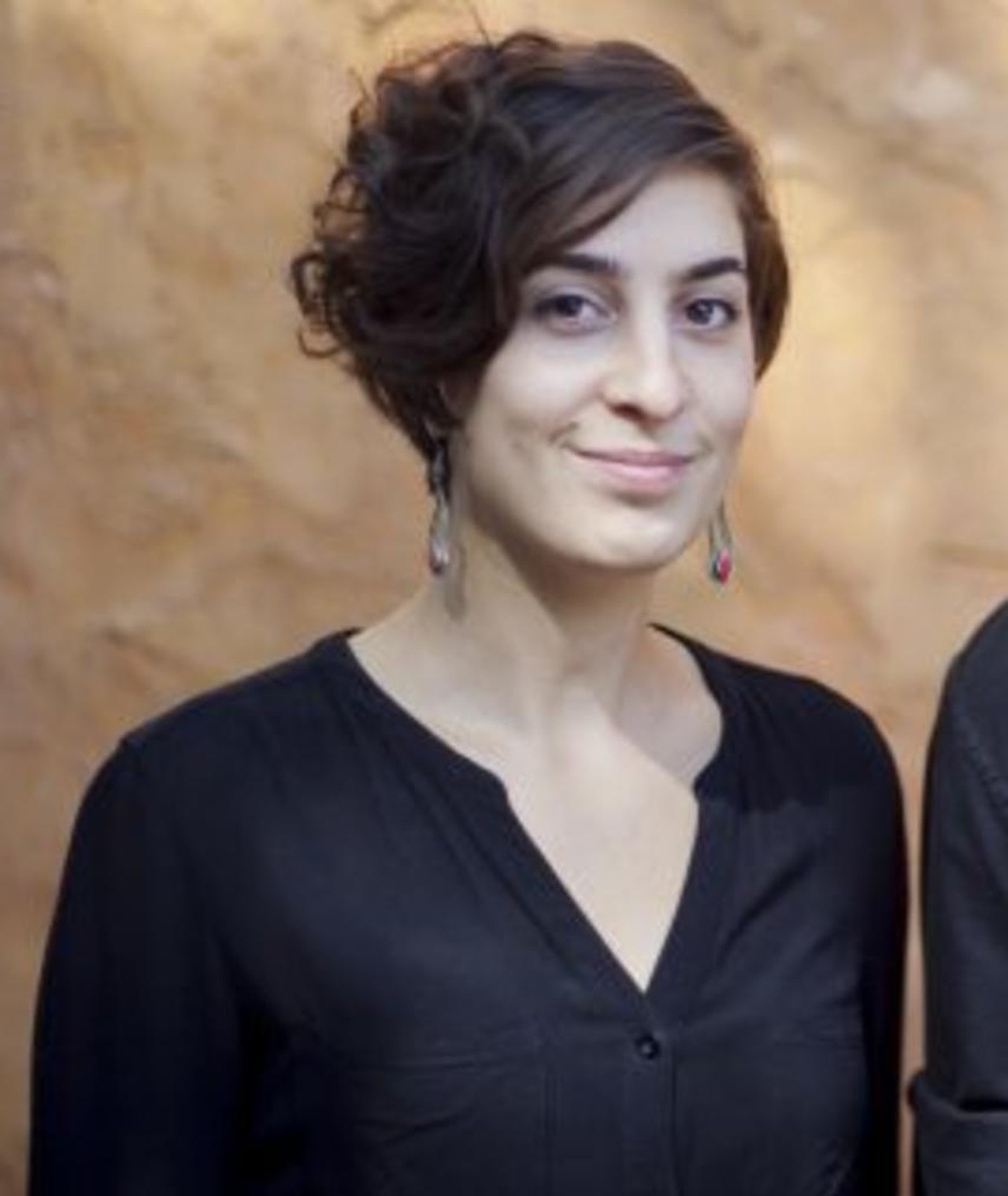
If you’ve ever watched a documentary and felt like you could actually smell the lanolin in the wool or feel the grit of pomegranate husks under your fingernails, you’ve probably experienced the work of Ariane Lorrain. Her 2018 film Zagros isn't just a movie about carpets. Honestly, calling it a "carpet documentary" is like calling Jaws a movie about a boat. It’s a sensory overload.
The film, co-directed with Shahab Mihandoust, dives into the Western mountains of Iran. Specifically, it follows the Bakhtiari nomads. But the real star—aside from the people—is the Zagros 2018 documentary cinematography. Lorrain didn't just point a camera; she embedded herself into the literal fabric of a culture that is slowly being erased by the "modern" world.
The Tactile Eye of Ariane Lorrain
Most cinematographers are obsessed with "the look." Lorrain seems obsessed with "the feel." In Zagros, the camera lingers on hands. Hands washing wool in icy streams. Hands dunking heavy bundles into steaming vats of indigo and madder root. Hands moving with a rhythmic, almost violent speed across a loom.
It’s personal for her. Lorrain is of Iranian-Quebecois descent, and she shot this film within her mother’s own lineage. That’s probably why there’s zero "anthropological voyeurism" here. You know that stiff, National Geographic vibe where the filmmaker feels like a ghost watching "the others"? Yeah, none of that.
The cinematography is close. It’s intimate. It feels like you’re sitting on the dirt floor with the weavers.
Why the Lighting Feels Different
There is a specific kind of light in the Zagros mountains. It’s harsh, high-altitude sun mixed with the dim, dusty interiors of village huts. Lorrain uses this contrast to create a chiaroscuro effect that makes a simple pile of wool look like a Caravaggio painting.
She doesn't over-light. If a room is dark, the shot is dark. This authenticity won the film the award for Best Canadian Short or Medium-Length Film at RIDM (Rencontres internationales du documentaire de Montréal) back in 2018. The jury basically said the film was a "work of art about the creation of art."
The "Slow Cinema" Movement in Zagros
We live in a world of TikTok cuts and 3-second attention spans. Zagros tells that world to shut up and sit down. The shots are long. Sometimes, you’re just watching pomegranate seeds being removed from their husks for what feels like an eternity.
But it’s not boring. It’s meditative.
Lorrain uses a static camera often. She lets the movement happen within the frame rather than moving the camera around to "create" excitement. This is a hallmark of her style. She’s also a co-founder of the "Le Trou noir" darkroom cooperative in Montreal, so she has this deep-rooted love for the analog, the grain, and the physical process of image-making. You can see that sensibility in every frame of this digital documentary. It looks "thick," if that makes sense.
The Sound of Color
Cinematography isn't just about eyes; it’s about how the image reacts to the environment. In Zagros, the sound design by Shahab Mihandoust and the visual texture work together. When you see the deep red of the dye, you hear the wet thwack of the wool hitting the vat.
The colors aren't "popped" in post-production to look like a travel brochure. They are earthy. They are real.
What Most People Get Wrong About the Bakhtiari
A lot of people think nomadic life is just about "wandering." It’s actually about labor. Brutal, exhausting, beautiful labor.
Lorrain’s cinematography captures the exhaustion. You see the sweat on the dyer's brow. You see the hunched backs of the women at the looms. By focusing on the process of the carpet—from the sheep to the bazaar—she shows that these objects aren't just floor coverings. They are "the social fabric of their lives," as the film’s synopsis puts it.
Lessons for Modern Filmmakers
If you're a filmmaker or just someone who loves visual storytelling, there’s a lot to steal—I mean, learn—from Lorrain’s work in Zagros.
- Don’t be afraid of the "ugly" parts. The grime under the fingernails is more interesting than a sunset.
- Respect the silence. You don't need a soaring orchestral score when the sound of a weaving comb hitting the threads is already music.
- Find your connection. Lorrain’s Iranian roots gave her access and a perspective that an outsider simply wouldn't have. She wasn't just filming "subjects"; she was filming her mother's people.
Where can you see Lorrain’s influence now?
Since Zagros, Ariane Lorrain has continued to push boundaries. She was part of the The Seven Last Words (2019) omnibus project, which was basically a visual interpretation of Haydn’s compositions. Even there, her segments carry that same sensory, poetic weight.
She’s currently moving between Montreal and the Middle East, continuing her work in visual anthropology. If you get a chance to catch a screening of Zagros—or find it on a niche streaming service like VUCAVU or F3M—watch it on the biggest screen possible.
Actionable Takeaways for Your Next Watch
If you want to truly appreciate the cinematography of this film, try these three things:
- Watch the hands. Notice how Lorrain uses a shallow depth of field to make the hands the center of the universe.
- Listen for the "visual sound." Try to see if the texture of the wool changes how you perceive the sound of the wind or the dye vats.
- Observe the shadows. Look at how the natural light in the mountain huts defines the faces of the weavers without the use of artificial "fill" lights.
Ariane Lorrain proved that you don't need a $100 million budget to create something epic. You just need a deep respect for your subject and the patience to wait for the right light to hit the wool.
Practical Next Step: If you are interested in the technical side of this kind of filmmaking, look up visual anthropology methods. It's the intersection of social science and cinema that Lorrain masters so well. You can also check out the distribution catalog at Les Films du 3 Mars to find more of her work and similar tactile documentaries.



